



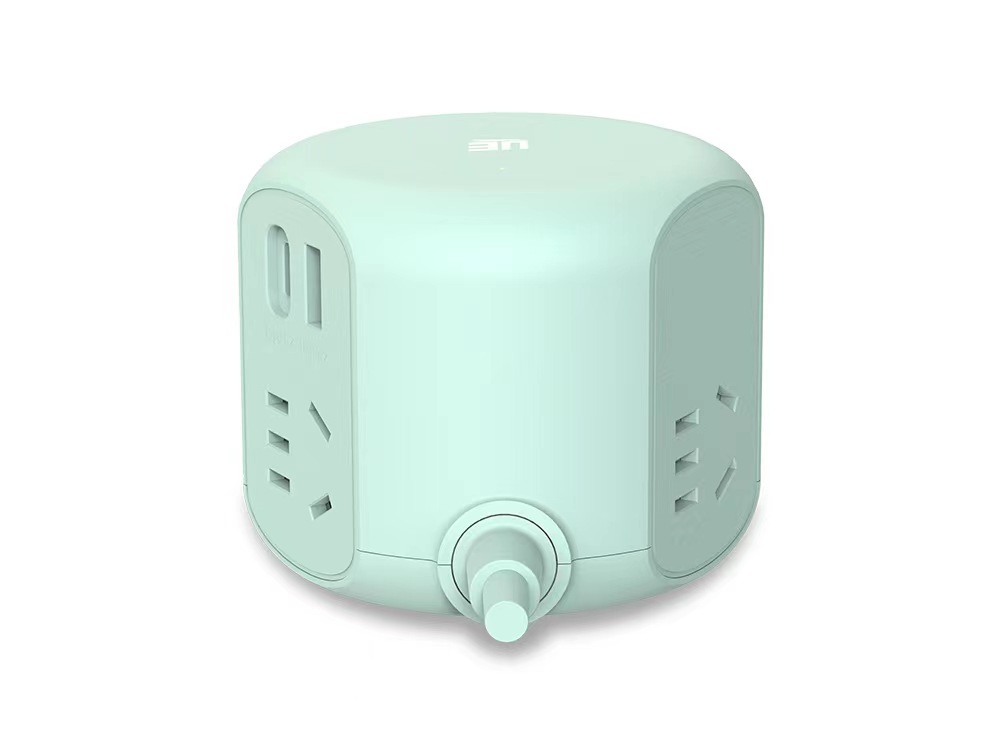


More medical treatments are moving from hospitals to homes, driven by aging populations, rising healthcare costs, and technological advancements.
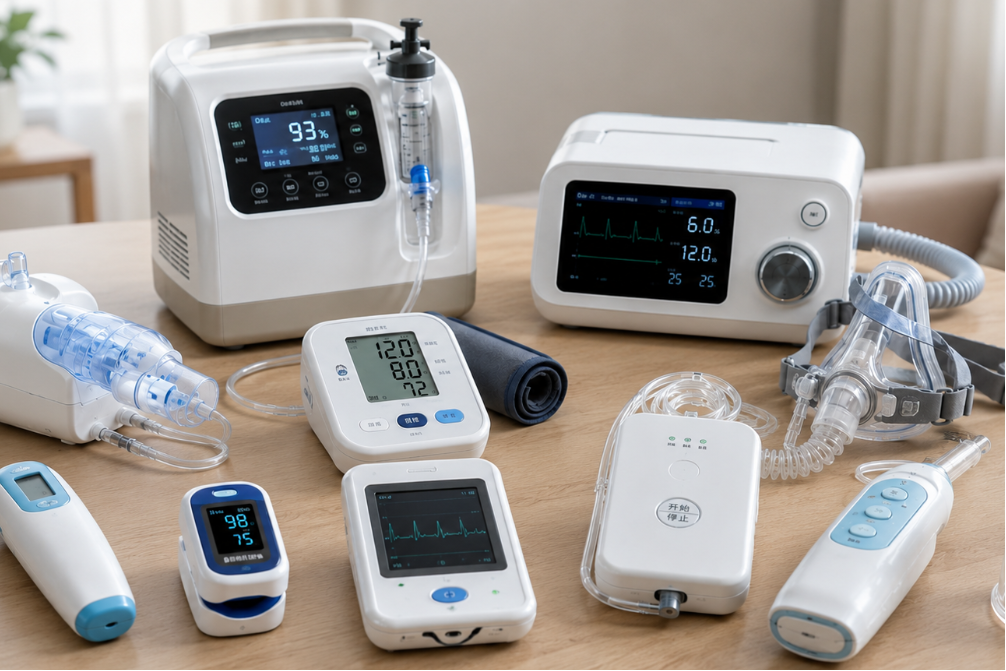
Consequently, today’s patients rely on an expanding array of home healthcare devices, from oxygen concentrators and ventilators to rehabilitation equipment, patient monitors, and even beauty devices.
Unlike standard consumer electronics, home medical devices require specialized power architectures to ensure patient safety, data integrity, and operational continuity.
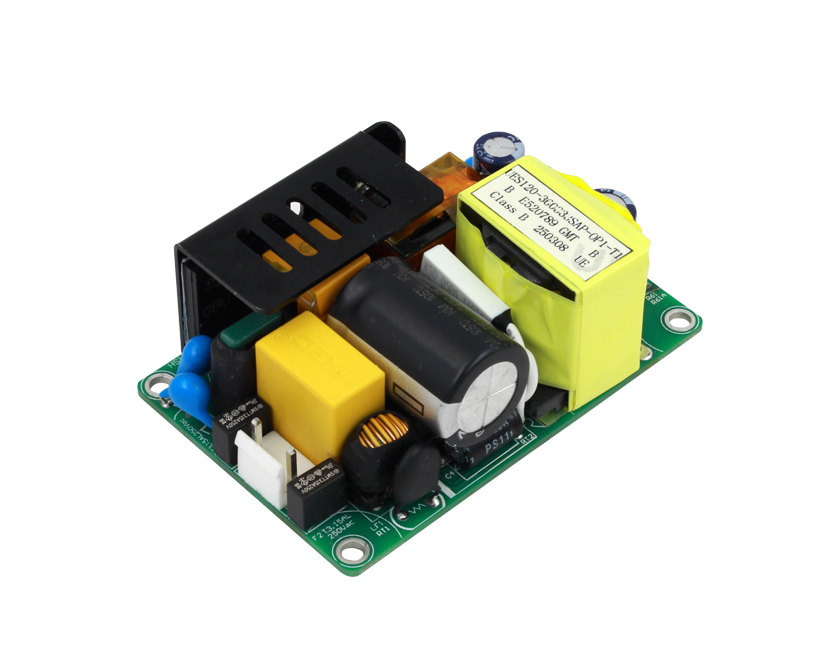
The article will explore the best medical power supply solutions for home healthcare devices.
Quick Picks
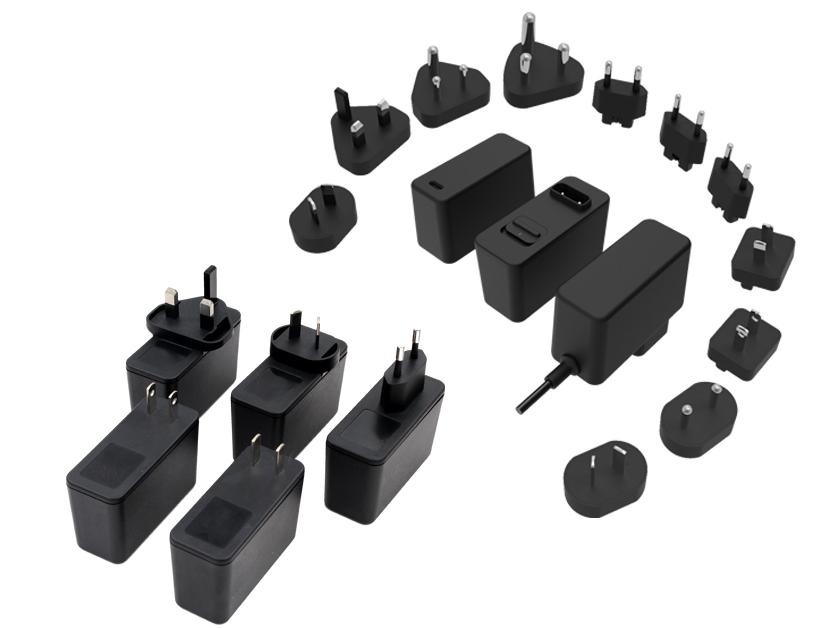
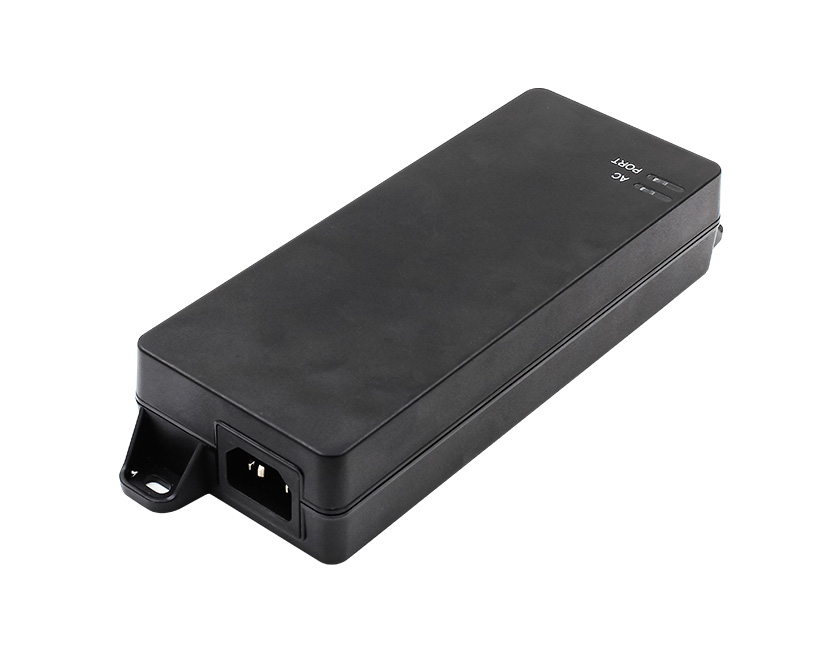
- Best Power Supply for Home Respiratory & Emergency Devices: UES120-SPAZ-OP
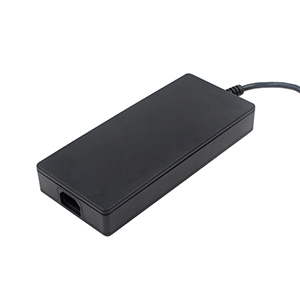
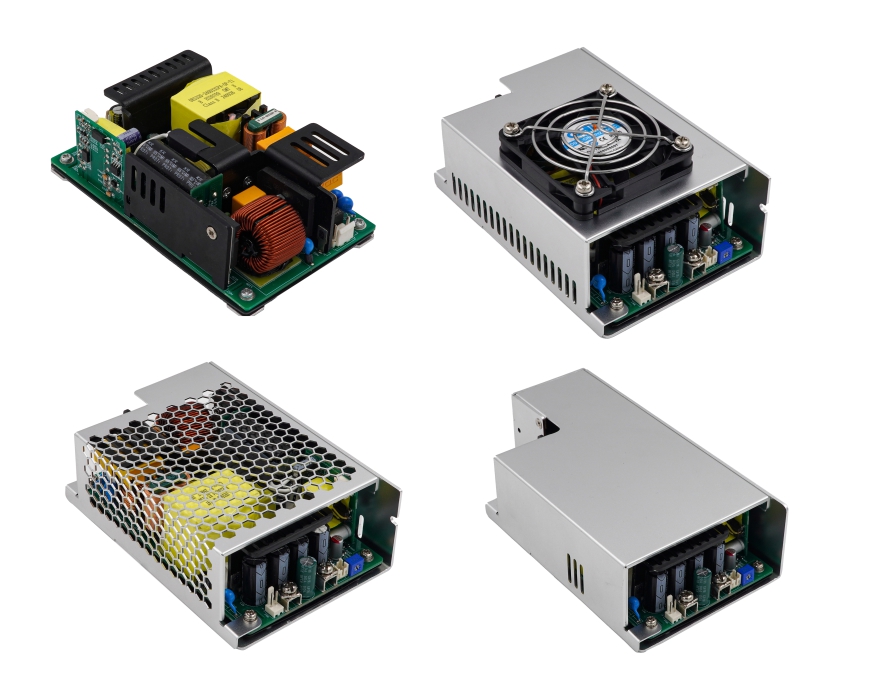
- Best Power Supply for High-Power Home Medical & Rehabilitation Equipment: UES310D-SPAZ
- Best Power Supply for Compact Home Monitoring Devices: UES06WZ-SPA
- Best Power Supply for Home Oral Care & Maternal-Infant Devices: UES36WZ1-SPA
- Best Power Supply for Medical Lighting & Home Care Stations: UES60LCP2-SPA
Home Respiratory & Emergency Device
1. Devices
Home oxygen concentrators, household ventilators, and automated external defibrillators (AEDs).
The demands placed on power supplies in this segment are among the most stringent across the entire home medical device landscape.
2. Power Supply Requirements
- Continuous Output Reliability:No thermal throttling, output sag, or insufficient MTTF. The power supply must sustain the rated output across the full temperature range.
- Ultra-Low Leakage Current:Patients have prolonged direct contact with respiratory interfaces (masks, tubing, or mouthpieces). IEC 60601-1 compliance is mandatory, specifically BF/CF classifications limiting patient auxiliary current to ≤100 μA for BF-type.
- EMI/EMC Robustness:AEDs are sensitive to electromagnetic interference. Poor EMI suppression can corrupt ECG signals before defibrillation, with fatal consequences.
- Grid Anomaly Resilience:Residential grids face brownouts, voltage spikes, and harmonic distortion. Life-support power supplies must offer wide input tolerance and transient suppression.
3. Recommended Solution: UES120-SPAZ-OP
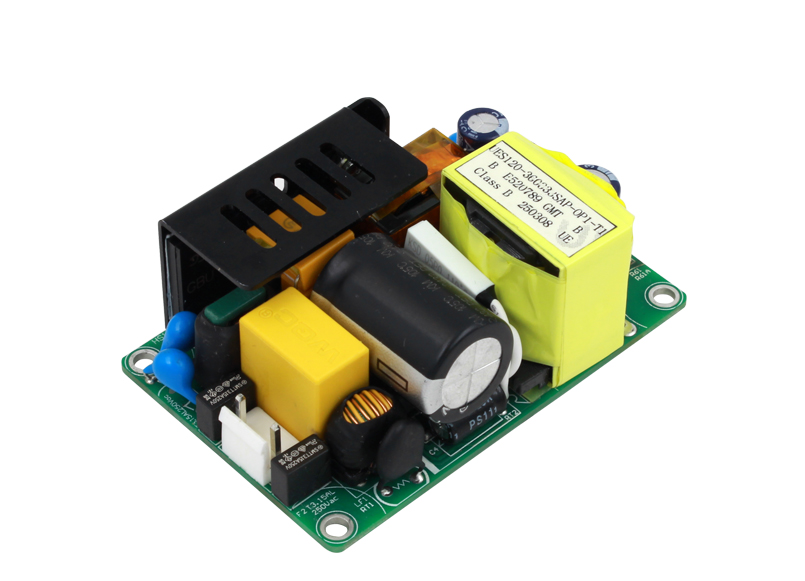
UES120-SPAZ-OP is purpose-engineered for home oxygen concentrators and ventilator drive systems.
- It holds IEC 60601-1 third-edition certification covering leakage current and dielectric withstand requirements.
- Its EMI filtering is designed to meet medical device electromagnetic compatibility requirements, ensuring stable operation in multi-device home care environments.
High-Power Home Medical & Rehabilitation Equipment
1. Devices
Home rehab systems, aesthetic medical devices, and ultrasound therapy units.
These systems operate at substantially higher power levels than standard home electronics. Duty cycles are intensive: a rehabilitation session can run for 30–60 minutes at near-full load, repeated multiple times daily.
2. Key Requirements
- High Continuous Power Throughput:Rehabilitation platforms impose dynamic, high-amplitude load profiles on their power supplies. The PSU must deliver rated wattage without output voltage droop across the full load range.
- Thermal Management & Efficiency:Extended high-load operation in enclosed housings creates thermal stress. Low efficiency generates excess heat, accelerating component aging and risking thermal shutdown mid-treatment.
- Output Stability under Dynamic Loads:Ultrasound transducers and high-power modules draw pulsed, non-linear current. Poor load transient response causes voltage excursions that affect output fidelity and therapeutic outcomes.
3. Recommended Solution: UES310D-SPAZ
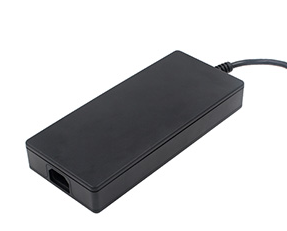
UES310D-SPAZ (up to 310W) is the highest-capacity model in the lineup, ideal for power-intensive home therapy platforms.
- Leveraging GaN (Gallium Nitride) technology, it achieves higher power density and lower thermal losses compared to conventional silicon-based designs.
- The robust thermal design supports sustained high-load duty cycles rather than peak-only performance.
- Medical safety certification meets Class II device regulatory requirements for major global markets.
Compact Home Monitoring & Diagnostic Devices
1. Devices
Blood pressure monitors, blood glucose meters, portable ECG monitors, and body temperature detection systems.
These personal diagnostic instruments are small, often battery-assisted or low-power, and their value depends entirely on measurement accuracy.
2. Key Requirements
- Ultra-Low Output Ripple and Noise:Precision analog front-ends are highly susceptible to power supply noise coupling. Ripple voltage must be kept sufficiently low to preserve the signal-to-noise ratio of the measurement chain.
- EMI Suppression:Conducted EMI can cause baseline wander in ECG traces or offset drift in pressure sensors. A well-designed power supply prioritizes near-field emission control alongside output regulation.
- Compact form Factor:Personal monitoring devices leave minimal room for the power module. Size and weight constraints are design requirements.
- Low Quiescent Power Consumption:Most home monitors spend the majority of their time in standby. High no-load losses undermine energy efficiency and increase operating costs.
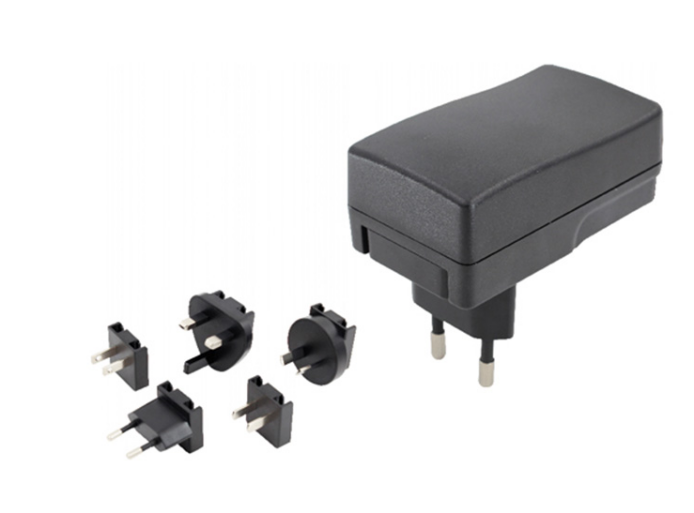
3. Recommended Solution: UES06WZ-SPA
This compact, low-power supply is optimized for the signal-integrity demands of personal diagnostic instruments.
- Its tightly regulated output,with minimal ripple and controlled EMI emissions, preserves the measurement accuracy that defines the clinical usefulness of home monitoring devices.
- The small footprint fits easily into space-constrained enclosures, while low standby power meets global ecodesign requirements.
Home Oral Care & Maternal-Infant Device
1. Devices
Electric toothbrush charging stations, oral irrigators, breast pumps, infant monitors.
This category straddles the boundary between consumer electronics and medical devices. Safety, ease of use, and product aesthetics carry equal weight alongside electrical performance.
2. Power Supply Requirements
- Regulatory Compliance:Devices like breast pumps and infant monitors require power supplies featuring a 2 MOPP safety isolation architecture under IEC 60601-1, matching the stringent risk classification of the end device.
- Stable Charging Profiles:Charging bases for oral care devices require consistent output voltage and current to protect internal batteries. Voltage overshoot or current instability degrades battery life and creates thermal hazards.
- Low Standby Power Draw:Because these products remain mostly in standby, high no-load efficiency is essential to comply with strict EU and North American ecodesign regulations.
- Compact Footprint: The form factor must integrate cleanly into consumer-oriented, lifestyle-focused product designs.
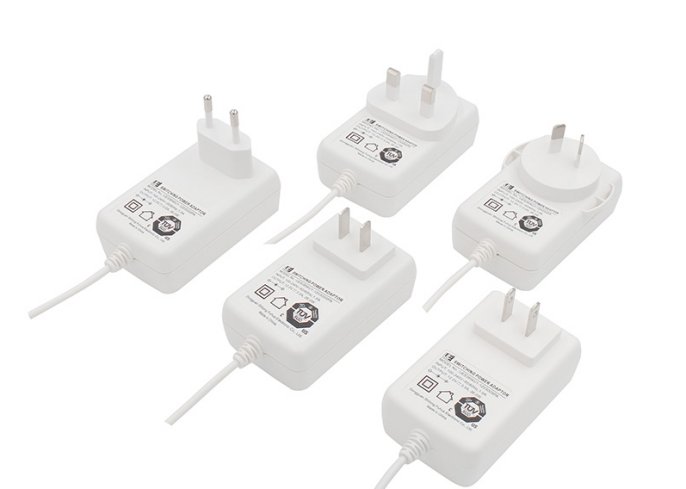
3. Recommended Solution: UES36WZ1-SPA
UES36WZ1-SPA delivers well-calibrated output suited to the charging and motor-drive demands of oral care and maternal-infant devices.
- Its safety certification covers overcurrent, overvoltage, and short-circuit protection.
- Low standby power supports global energy efficiency frameworks, while the compact profile enables seamless integration into consumer-friendly industrial designs.
Medical Auxiliary Lighting & Domestic Nursing Stations
1. Devices
Medical auxiliary lighting units, home nursing station equipment, and home nebulizers.
This category encompasses the supporting infrastructure of home-based chronic disease management and post-operative recovery care. The unifying requirement is reliable, multi-load power delivery in a domestic setting.
2. Key Requirements
- Stable Output under Mixed Loads:A nursing station powering a nebulizer, LED light, and charging port presents a complex, time-varying load profile. The power supply must maintain regulation without cross-load interaction or voltage excursion.
- Consistent Motor Drive for Nebulizers:Piston compressors are sensitive to supply voltage variation. Undervoltage produces larger aerosol droplets that deposit in the upper airway rather than the bronchioles, reducing therapeutic efficacy.
- Flicker Mitigation for Lighting:Power supplies for LED drivers must minimize low-frequency ripple to prevent perceptible or stroboscopic flicker, especially important for patients with photosensitive neurological conditions.
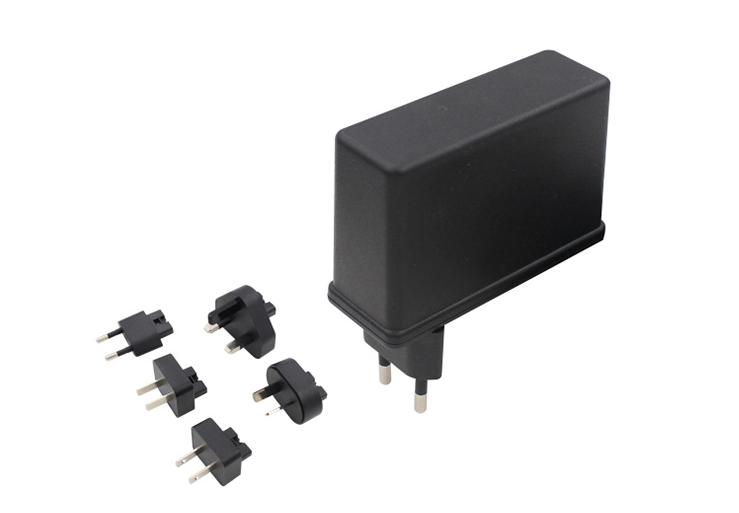
3. Recommended Solution: UES60LCP2-SPA
UES60LCP2-SPA is ideal for the mixed-load demands of home nursing stations.
- Its stable output regulation supports consistent nebulizer compressor performance across therapy sessions, while low output ripple makes it compatible with LED driver architectures.
- The compact, integration-friendly form factor suits home care furniture and nursing station enclosures, delivering dependable multi-device power that complements the domestic care environment.
Conclusion
With the growing penetration of medical technology into home care, device safety and regulatory compliance remain dependent on the underlying power architecture.
As one of the leading power supply manufacturers specializing in healthcare applications, UE Electronic guarantees that every power supply for medical equipment meets precise electrical specifications, delivering long-term operational reliability in residential applications.