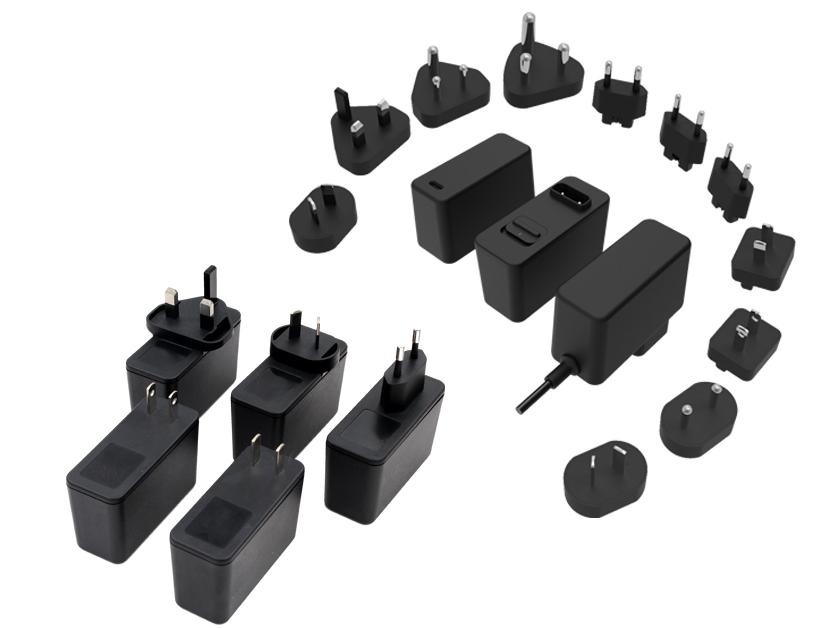






Specifying a power supply for a medical device requires moving beyond general-purpose performance parameters. The designation “medical grade” signifies a component engineered and certified to a specific set of rigorous international safety standards. At UE Electronic, we approach the development of a medical grade power supply with the understanding that its primary function is to enable patient safety and device reliability. This article outlines the critical criteria that distinguish a medical-grade unit from a standard commercial ac power supply adapter.
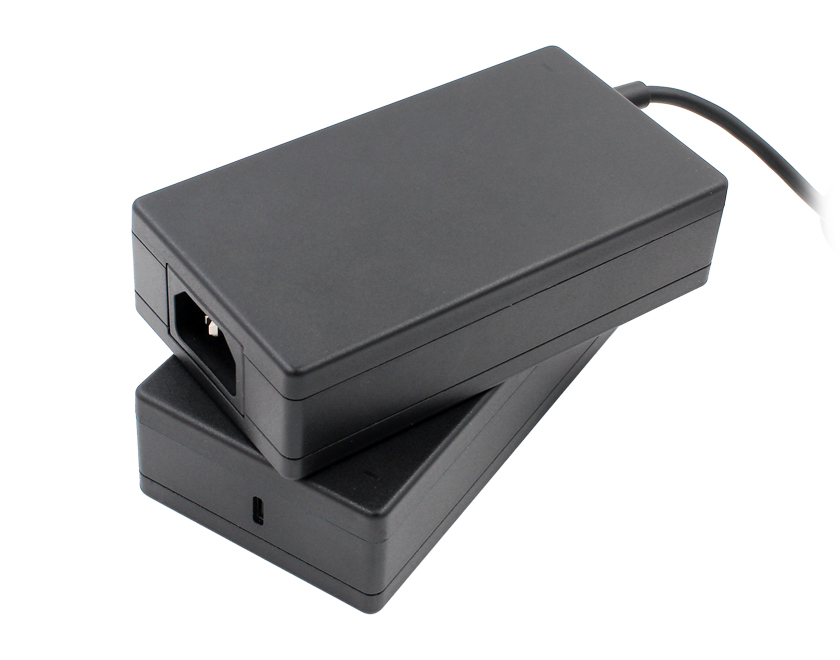
Compliance with IEC 60601-1 and Isolation Requirements
The cornerstone of a medical grade power supply is compliance with the IEC 60601-1 series of standards. These standards define the essential performance and safety requirements for medical electrical equipment. A fundamental requirement is reinforced isolation between the input (AC mains) and the output (the voltage supplied to the device), as well as between the output and any accessible parts. This level of isolation, which is more stringent than in standard information technology equipment, is designed to protect both the patient and the operator from electric shock, even in the event of a single component failure. While a typical ac power supply adapter provides basic isolation, a medical-grade unit is designed and tested to these higher protective thresholds.
Limits on Leakage Current and Patient Protection
A directly related and critical parameter is leakage current. This is the small, unintended current that can flow from the AC input through isolation barriers to the output or the equipment enclosure. In medical applications, especially where a device may have physical contact with a patient, allowable leakage currents are severely restricted by standards like IEC 60601-1. A certified medical grade power supply is designed with specialized circuitry and components to minimize Earth leakage current and patient leakage current to levels considered safe for direct or indirect patient connection. This design focus on ultra-low leakage is a defining characteristic not typically prioritized in a standard commercial ac power supply adapter.
Design for Reliability and Risk Management
The operational environment for medical equipment demands exceptional reliability. The development of a medical grade power supply follows a risk management process aligned with ISO 14971. This involves identifying potential hazards, assessing risks, and implementing design controls to mitigate them. Components are selected for higher longevity and are often derated, meaning they are operated well below their maximum ratings to extend service life and improve mean time between failures (MTBF). This comprehensive approach to reliability, from the schematic stage to final production testing, ensures that the power supply contributes to the overall dependability of the medical device it powers.
The distinction of a medical-grade unit is rooted in legally recognized safety standards, deliberate design for ultra-low leakage currents, and a systematic approach to risk-controlled reliability. These factors collectively ensure the power supply acts as a safeguard within the medical system. For OEMs integrating an external power source, selecting a certified medical grade power supply, rather than a standard ac power supply adapter, is a necessary step in the regulatory pathway. At UE Electronic, our development process for these power supplies is structured around these foundational requirements to support the creation of safe and effective medical technology.