

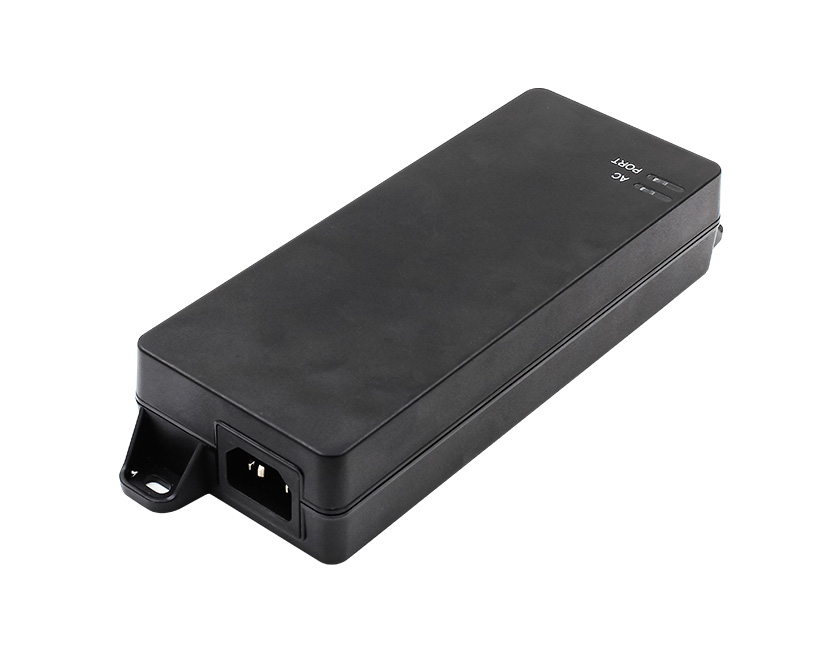


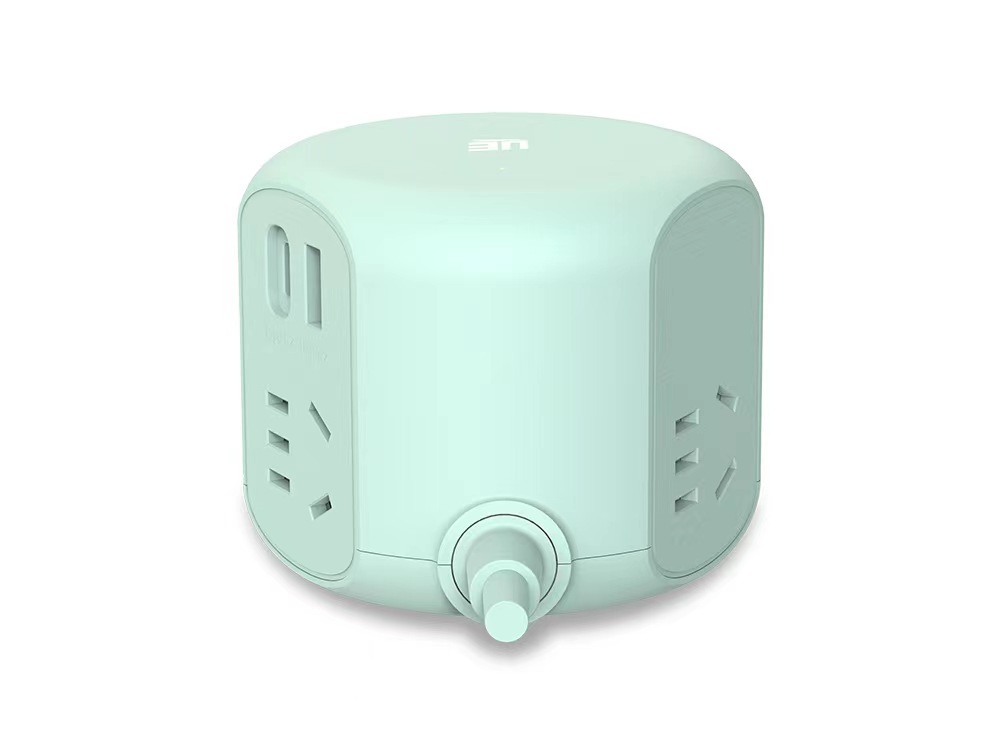


Medical power solutions refer to power supplies, converters, and power management systems specifically designed for medical devices, covering various applications from low-power portable equipment to high-power imaging systems.
In the field of medical power, configurability represents the ability of a power system to be flexibly adapted to specific clinical needs, electrical specifications, and safety standards through parameter settings, modular design, and interface configuration. This capability is increasingly important in modern medical power supply design, where flexibility and scalability are essential.
Approaches to Configurability
1. Output Configuration
Output configuration directly influences how well a power supply aligns with load requirements.
- Voltage and Current Settings:Includes fixed, adjustable, or programmable outputs, enabling precise alignment with load requirements. For instance, a logic circuit may operate at 5 V while a sensor within the same system runs at 3.3 V.
- Multiple Output Channels: A single unit can deliver several independently isolated voltages simultaneously, such as ±15 V, 5 V, and 12 V,reducing the need for external conversion circuitry in complex equipment.
- Hot-Swap and Redundancy Modules:In life-support applications, configurable redundant power modules permit module replacement or capacity expansion without interrupting device operation.
2. Form Factor and Mechanical Configurability
Medical equipment imposes tight space constraints, and the physical requirements for power supplies vary significantly across device types.
- Modular Architecture: A base unit can be combined with different output, filtering, or interface modules, facilitating rapid configuration and future upgrades.
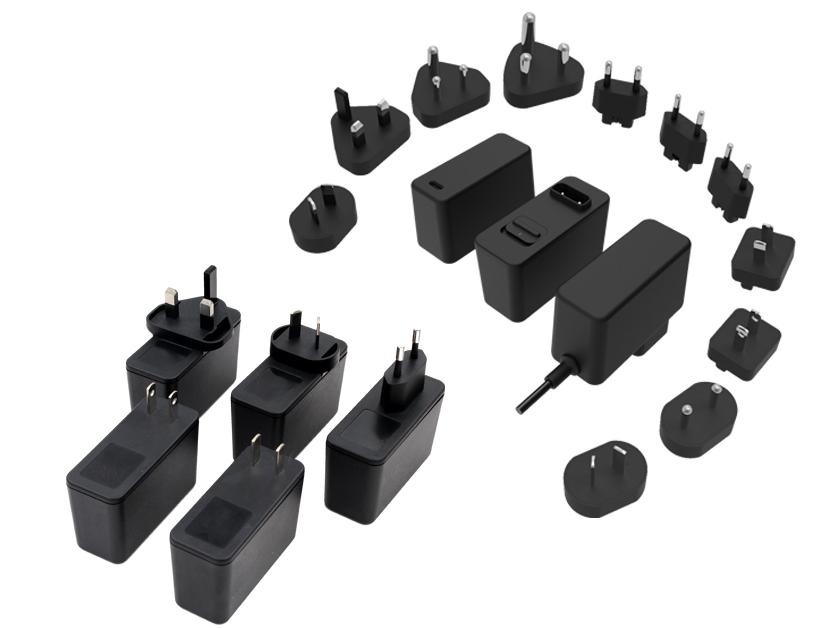
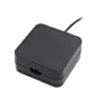
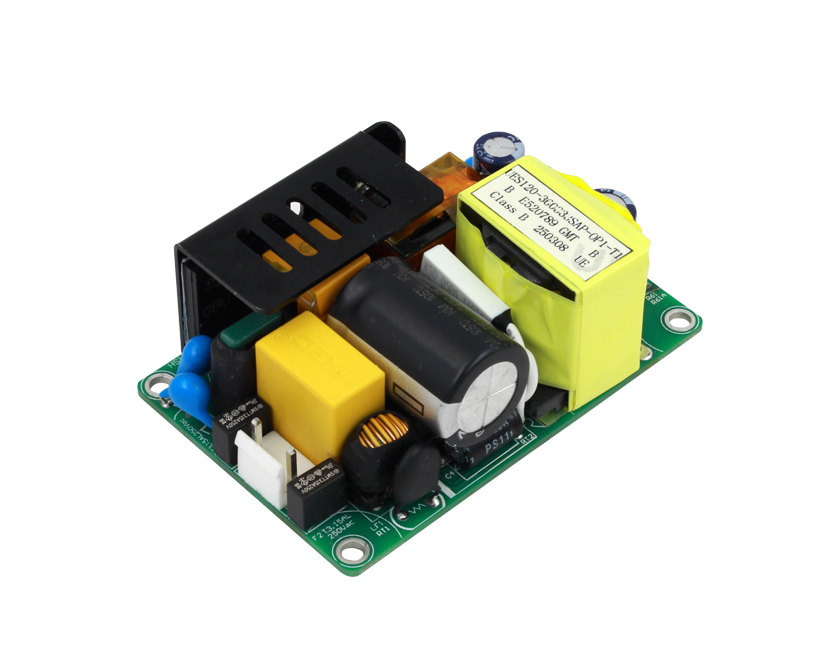
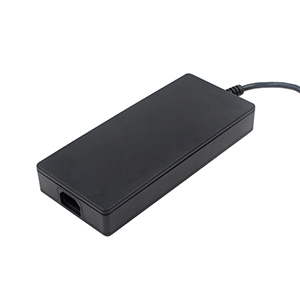
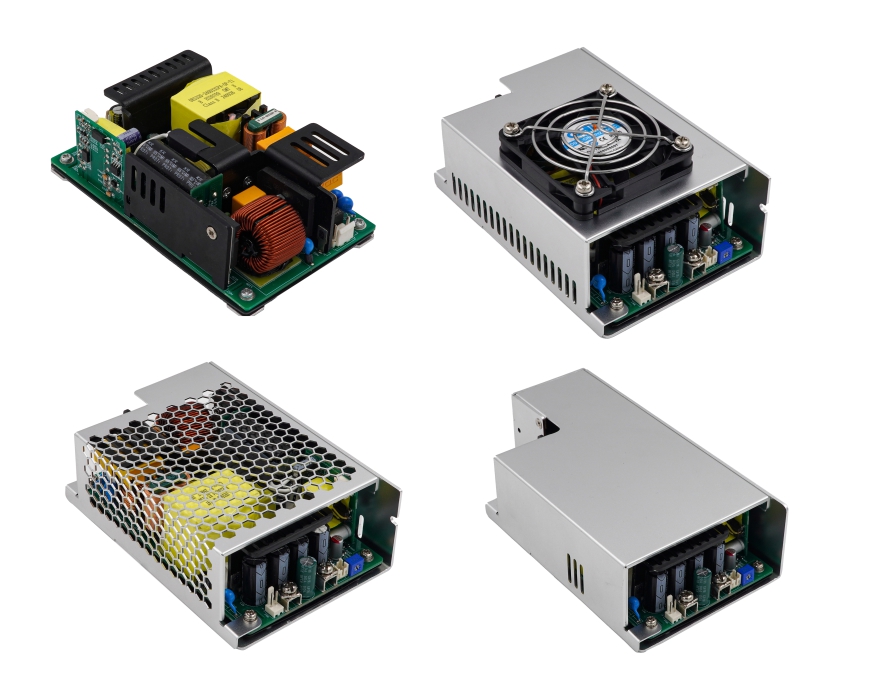
- Multiple Mechanical Formats: Options such as open-frame, enclosed, rack-mount, desktop, and wall-plug styles accommodate diverse physical footprints, from compact handheld devices to large imaging systems.
- Custom Interfaces: For OEM integration, bespoke pin assignments and connector types are available to streamline system-level wiring and enhance assembly efficiency.
3. Control and Communication Interfaces
As medical devices increasingly embrace digital and intelligent architectures, configurability extends into control and communication.
- Digital Communication Protocols: Support for standards like PMBus, I²C, and CAN bus enables digital adjustment and real-time monitoring of output voltage, current limits, power sequencing, and protection thresholds.
- Remote Control and Remote Sensing: System-level power management is facilitated through remote on/off capabilities, while remote sensing compensates for voltage drops across cables to maintain accuracy at the load.
- Programmable Power Sequencing:In multi-output systems, the order in which each voltage rail powers up and down can be precisely defined. This is an essential feature for imaging and surgical systems, where improper sequencing may trigger unintended behavior or damage sensitive components.
4. Isolation and Leakage Current Configuration
One of the most medically specific aspects of configurability:
- Isolation voltage (e.g., 2xMOPP vs. 1xMOPP) can be configured based on how close the device will be to a patient.
- Earth leakage current limits are configurable by design to stay within thresholds depending on the device classification (B, BF, or CF applied parts).
Why Is Configurability Critical for Medical Power Solutions?
The multi-dimensional configurability described above enables medical power supplies to flexibly address complex clinical scenarios. This capability proves critical in the following aspects:
1. Addressing the Diversity and Complexity of Medical Devices
Medical equipment spans a broad spectrum, from low-power portable blood pressure monitors consuming just a few watts to high-power MRI systems rated at several kilowatts.
Application Scenario | Power Supply Requirements |
Operating Room (patient contact) | 2xMOPP high isolation, ultra-low leakage current, low EMI |
Intensive Care Unit | Redundant power, uninterrupted switching, remote monitoring |
Emergency / Field Care (mobile devices) | Wide input voltage range (vehicle/mains compatibility), shock-resistant design |
Telemedicine/Wearables | Ultra-low power consumption, optimized battery management, wireless communication compatibility |
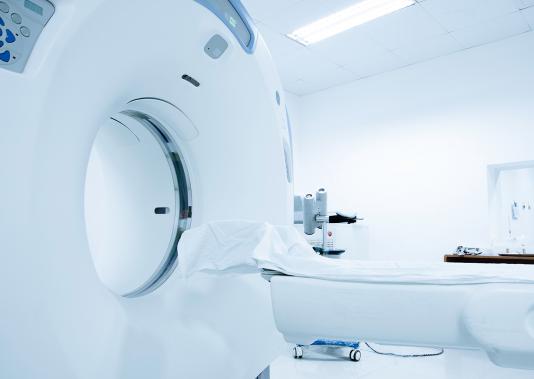
Imaging Center (MRI/CT) | High power, precision filtering, strong EMC immunity, low magnetic field interference |
A configurable power supply can quickly adapt to these varied scenarios through parameter adjustments or module swaps.
2. Reducing R&D and Operational Costs
Each category of medical equipment places distinct demands on its power source. Without configurability, manufacturers face the costly, time-intensive task of developing custom power supplies for every device.
A single configurable power platform, by contrast, can serve multiple product lines, lowering rework and shortening development cycles.
Pre-certified modules that already comply with IEC 60601-1 also enable OEMs to leverage existing certifications, easing regulatory burdens and avoiding the high costs of full-system recertification.
When clinical requirements evolve, the ability to reconfigure rather than redesign further accelerates market response and strengthens competitiveness.
3. Safeguarding Patient Safety
Safety expectations in healthcare settings far exceed those in conventional industrial environments. A mismatch between power supply configuration and device requirements can lead to equipment malfunction at best, and, at worst, endanger patient lives. For instance:
- Precise configuration of leakage current thresholds prevents micro-currents from posing risks to sensitive organs, such as the heart.
- Managed power-up sequencing mitigates the risk of inrush currents damaging precision medical sensors or triggering unintended device behaviors that could lead to clinical hazards.
4. Accommodating Global Regulatory Variations
Medical regulations differ across countries and regions. Configurability empowers manufacturers to adopt a “design once, deploy globally” strategy.
- United States: Compliance with UL 60601‑1 as required by the FDA
- European Union:Alignment with MDR (Medical Device Regulation) and CE marking requirements
- China: Conformity with GB9706.1(the national equivalent of IEC 60601‑1) and NMPA registration
- Japan:Adherence to relevant MHLW standards
By leveraging configuration adjustments, such as input voltage ranges, EMI filtering characteristics, and leakage current limits, the power supply can meet the regulatory demands of multiple markets, streamlining global market access.

UE Electronic Configurable Medical Power Supplies
With years of deep expertise in the medical power sector, we are dedicated to delivering highly configurable, safe, reliable, and compliant power solutions for medical device manufacturers worldwide.
1. Broad Output/Input Configuration
Our products support a wide range of output voltages. For example, the UES310D-SPAZ model delivers up to 310 W of power with selectable output voltages while accommodating five distinct AC input socket types to ensure compatibility with global power standards.
A variety of mechanical formats, such as open-frame, wall-plug, and desktop configurations, are available, enabling flexible integration across different device designs.
2. Safety and Standards Compliance
All medical power supplies are equipped with 2xMOPP isolation, meeting rigorous medical safety certifications and complying with standards for home healthcare environments.
Ready to Streamline Your Next Medical Device Development?
As medical devices continue to diversify and regulatory environments grow increasingly complex, configurable medical power solutions help manufacturers streamline development, simplify compliance, and maintain high safety standards in an increasingly complex healthcare landscape.
At UE Electronic, we specialize in highly configurable, safety-certified medical power supplies designed for the demands of modern healthcare. Whether your application calls for a standard configurable platform or a fully custom medical power supply design, our technical experts work closely with you to develop the optimal solution.