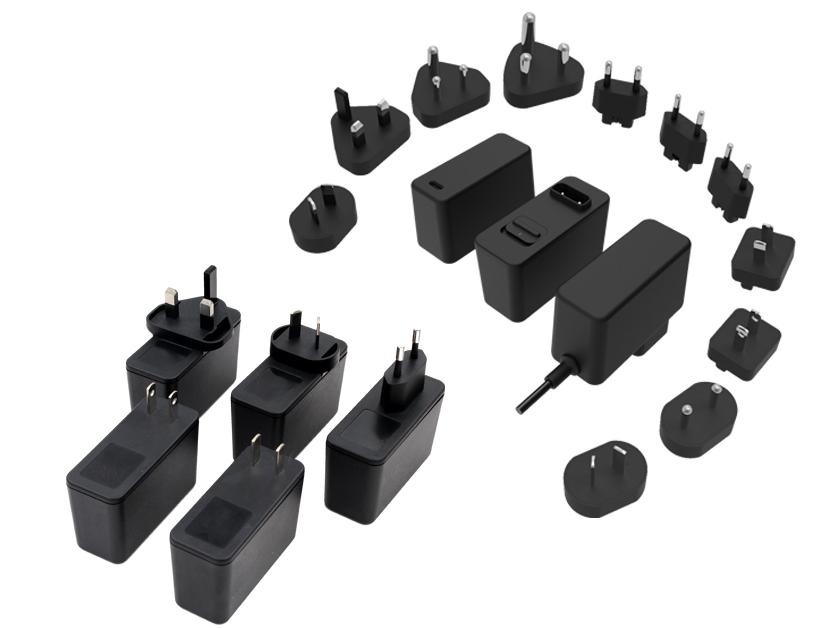


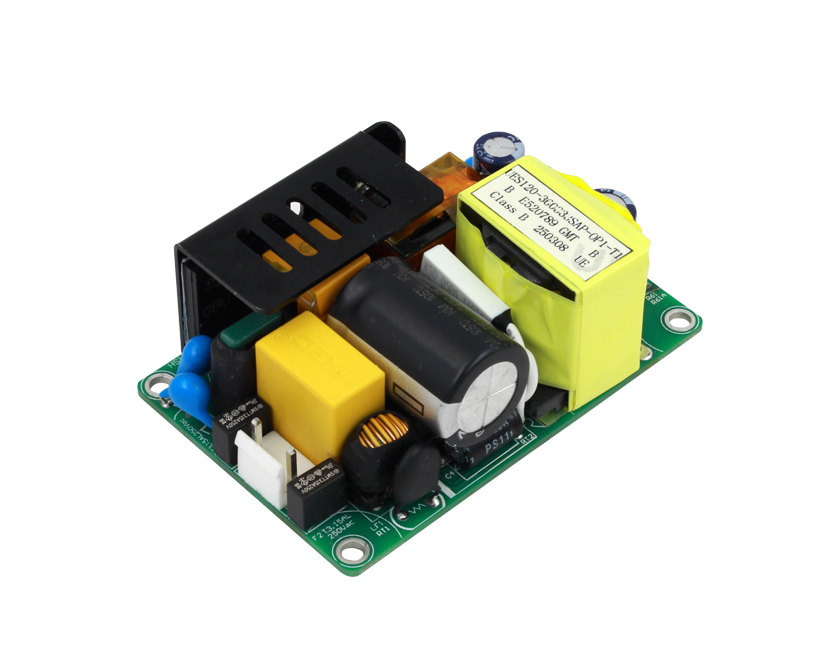
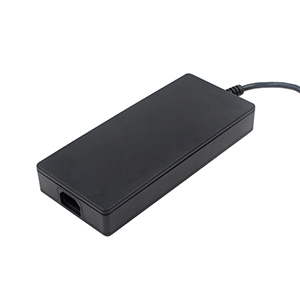
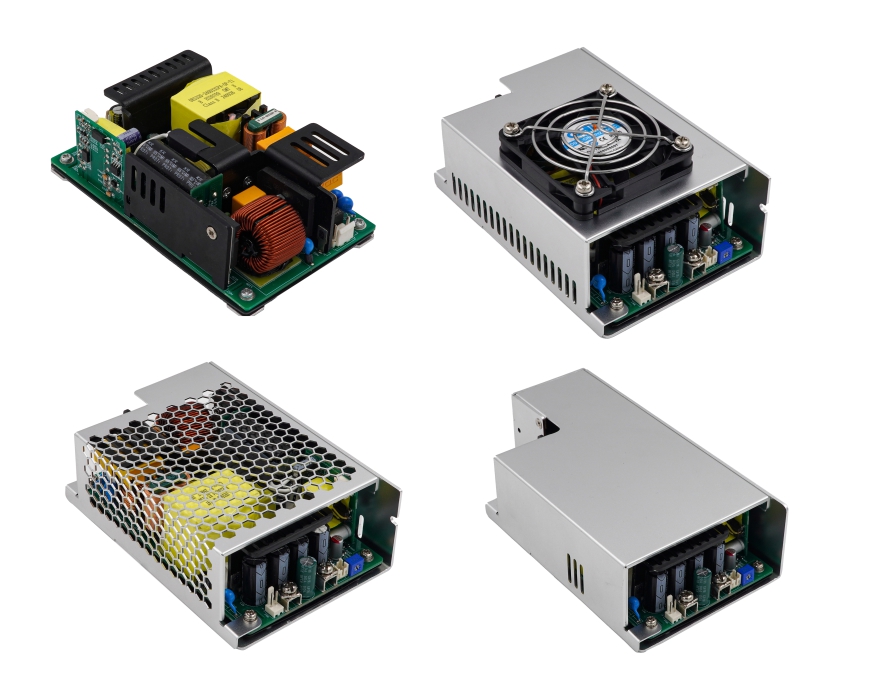
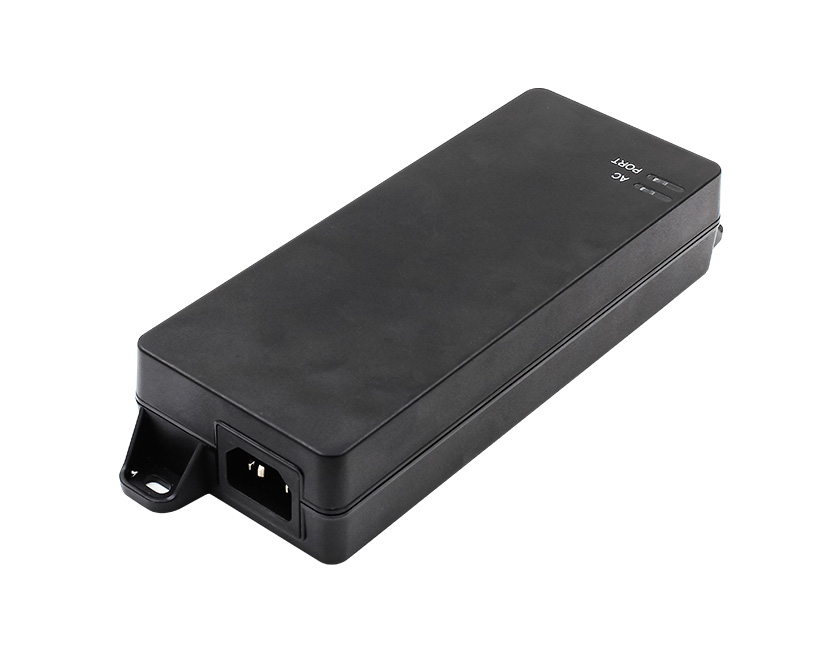




Medical power supplies are a critical component of medical devices, directly impacting patient safety, equipment reliability, and regulatory approval outcomes.
Unlike industrial-grade power supplies, medical power supplies must comply with a more stringent set of design, testing, and quality standards. Therefore, selecting the right power supply manufacturer is essential.
But how can the right partner be identified among numerous suppliers? This article provides a systematic evaluation framework to help relevant teams make informed decisions.

Regulatory Compliance and Certification
Regulatory compliance capability is the primary evaluation dimension for a medical power supplier. Vendors lacking the necessary certifications cannot meet the basic requirements for product market entry.
1. Safety Standards Certification
The IEC 60601-1 series establishes the internationally recognized standard for the essential performance and safety of medical electrical devices. Qualified medical power supply manufacturers should be able to provide the following certifications:
- IEC 60601-1: International general standard
- UL 60601-1: North American market access
- EN 60601-1: European market access
- Equivalent certifications for other target markets (e.g., CCC for China, PSE for Japan)
2. Electromagnetic Compatibility (EMC) Compliance
Medical environments contain multiple electronic devices, making EMC a fundamental requirement for ensuring equipment operates without interference. Manufacturers must comply with IEC 60601-1-2 (4th Edition) and furnish complete EMC test reports.
Quality Management and Traceability
A quality management system determines product consistency and long-term reliability, serving as a key indicator of a manufacturer’s production capability.
1. ISO 13485 Quality Management System
ISO 13485 is the dedicated quality standard for medical device manufacturing. Compared to the general ISO 9001, it places greater emphasis on risk management, traceability, and regulatory compliance.
2. Traceability
Medical devices typically have service lives exceeding ten years, making traceability essential for quality issue investigation. Reputable medical power supply manufacturers should possess:
- Finished product traceability: Ability to trace finished products to specific production batches
- Raw material traceability: Ability to trace component failures to raw material batches
Technical Expertise and Performance
Medical applications impose technical requirements that differ fundamentally from industrial applications. Evaluating a manufacturer’s technical capability requires attention to the following dimensions.
1. Isolation and Means of Patient Protection (MOPP)
For devices that may come into contact with patients, 2xMOPP is a non-negotiable requirement. Key technical specifications include:
- 4000VAC isolation voltage
- Strict creepage and clearance distances
Medical power suppliers should be able to clearly demonstrate 2xMOPP compliance and provide corresponding design documentation.
2. Low Leakage Current
Leakage current poses a direct risk to patient safety. For BF-type and CF-type devices, leakage current limits can be as low as 10 µA. Complete leakage current test data should be available.
3. Thermal Management
In sterile environments or noise-sensitive applications, fans may introduce infection risks or interfere with other equipment. Manufacturers with proven capabilities in fanless, natural convection cooling designs are better positioned to serve such applications.
4. Adoption of Innovative Technologies
Gallium nitride (GaN) technology has become a key differentiator in technical leadership, which enables efficiency improvements and size reduction.
It is advisable to assess their investment in GaN technology and the maturity of their mass-produced GaN-based products.
Long-Term Support and Customization Capabilities
Medical device design and certification cycles are lengthy, making a manufacturer’s support capabilities critical to product lifecycle management.
1. Product Lifecycle Management
Reliable medical power supply manufacturers should provide long-term supply commitments to ensure supply stability over multi-year production runs.
Additionally, a robust component obsolescence management process is essential, enabling manufacturers to identify potential end-of-life issues for key components in advance and propose suitable alternatives.
An advance notification mechanism for supply changes is also important, allowing customers to plan accordingly and avoid production disruptions caused by unexpected changes.
2. Customization and Modularity Capabilities
Regarding customization and modularity, different medical devices have varying power requirements.
Fully custom design permits manufacturers to develop dedicated power supplies based on specific application needs, ensuring precise alignment with the device.
Modular power platforms, on the other hand, enable customers to combine pre-certified modules to achieve near-custom solutions while significantly reducing development cycles and lowering R&D costs.
Manufacturing Experience and Supply Chain Resilience
The global supply chain environment in 2026 remains uncertain. A manufacturer’s supply chain management capabilities directly impact customer supply security.
1. Industry History and Experience
Manufacturers with decades of experience in medical power supplies have navigated multiple industry cycles and developed more mature operational systems. This experience is reflected in design practices, quality control, and compliance management.
2. Global Manufacturing Footprint
Manufacturers with production facilities across multiple regions (e.g., China, Southeast Asia, North America) are better positioned to mitigate risks, including:
- Tariff policy changes
- Natural disasters
- Regional supply chain disruptions
A geographically diversified manufacturing footprint is a critical component of supply chain resilience.
3. Production Capacity
Monthly production capacity is a straightforward metric, but capacity flexibility is equally important. Key considerations include:
- Ability to respond to sudden order increases
- Contingency plans for raw material shortages
- Support capabilities across the product lifecycle, from pilot production to mass production
Why Choose UE Electronic
Since our founding in 1989, UE Electronic has grown into a globally recognized power supply manufacturer. With over 35 years of experience, we specialize in the design and production of ac dc medical power supply solutions.
1. Manufacturing Capability
With a facility spanning 120,000 square meters, we operate at a monthly production capacity of 15 million units, enabling us to support the full product lifecycle, from pilot runs to high-volume mass production.
2. Medical Safety Standards
Patient safety is at the core of our medical power supply designs. Our products feature:
- 2xMOPP double means of patient protection isolation
- Leakage current is controlled at 100 µA or less, meeting the BF-type applied part requirements
- Most models are certified for stable operation at altitudes up to 5,000 meters, supporting applications in diverse environments
3. Technological Innovation
We are committed to advancing power supply efficiency through cutting-edge technology. We employ the latest GaN technology to reduce product size and increase power density.
The UES310D-SPAZ model, for example, incorporates GaN technology and meets Level 7 energy efficiency standards, demonstrating our focus on performance and sustainability.
4. R&D and Validation Infrastructure
Our in-house capabilities include a dedicated EMC laboratory and DQA verification center, allowing us to conduct rigorous testing throughout the development process.
From initial design to mass production, every product is validated to comply with international safety standards and electromagnetic compatibility requirements.
Conclusion
As medical devices grow more sophisticated and regulatory requirements continue to evolve, the value of a capable, reliable power supply partner becomes increasingly evident.
For medical device manufacturers seeking a power supply solution that combines high performance with regulatory compliance, UE Electronic offers the expertise and capabilities to meet those demands.