





From the perspective of UE Electronic, selecting between external power supply adapters and an internal medical power supply is a critical design decision for medical device manufacturers. This choice directly affects product safety, certification complexity, thermal management, and long-term reliability. Both approaches have clear advantages depending on the application scenario, regulatory requirements, and system architecture. Understanding the differences helps organizations align their power strategy with performance expectations and compliance obligations.
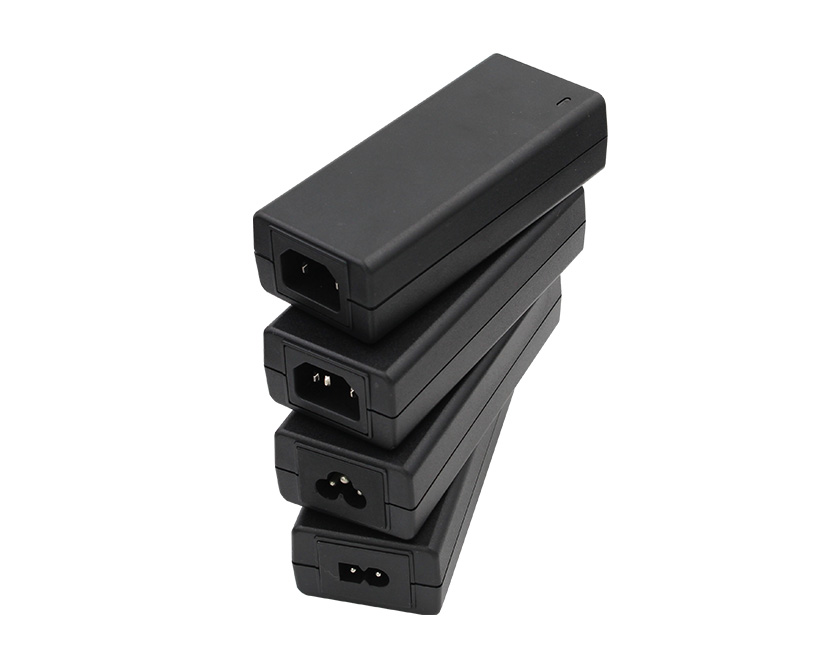
External Power Supply Adapters: Flexibility and Certification Advantages
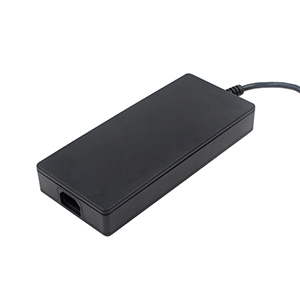
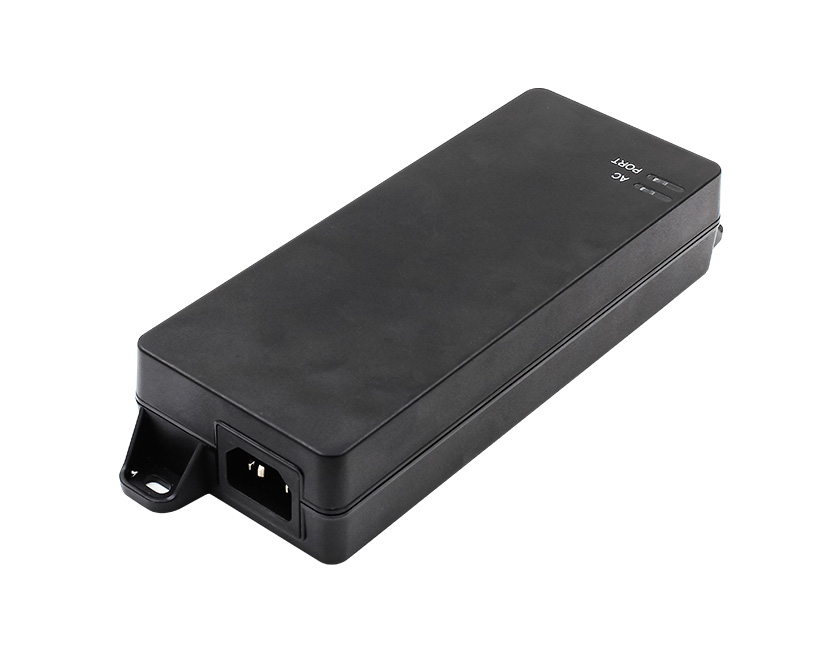
External power supply adapters are widely used in medical devices due to their flexibility and simplified certification process. By placing the power conversion outside the main device enclosure, manufacturers can reduce internal heat generation and minimize design complexity.
A key advantage of external power supply adapters is that they can be pre-certified to meet medical safety standards, including requirements such as 2MOPP isolation and low leakage current. This allows device manufacturers to streamline product approval processes and reduce time to market.
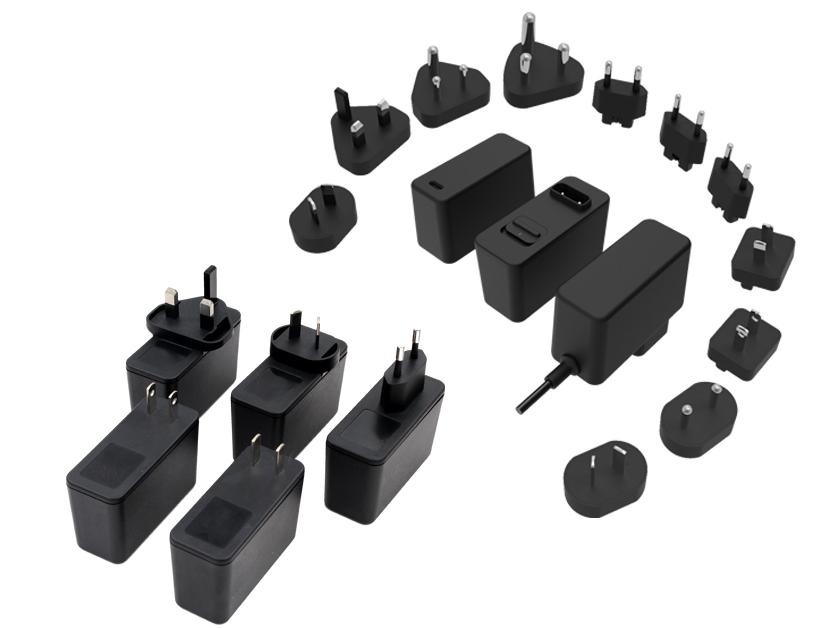
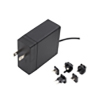
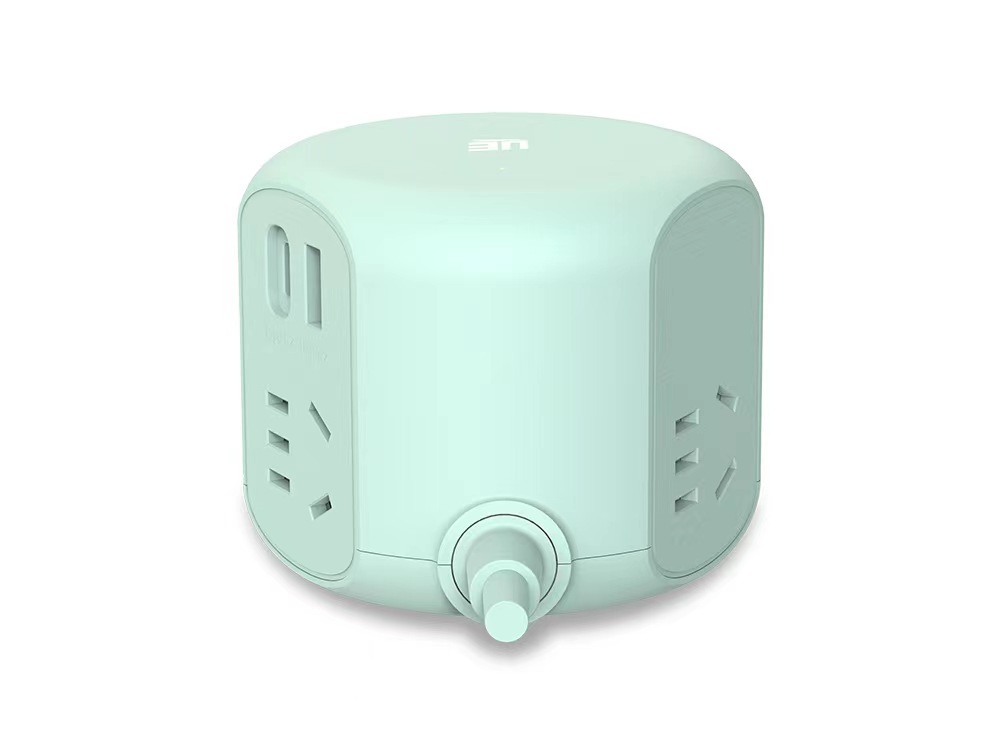
Additionally, external adapters support interchangeable AC plug configurations, enabling global deployment without redesigning the entire system. This is particularly valuable for devices distributed across multiple regions. From a maintenance perspective, external power supply adapters are easier to replace, reducing downtime and service costs.
Internal Medical Power Supply: Integration and System Optimization
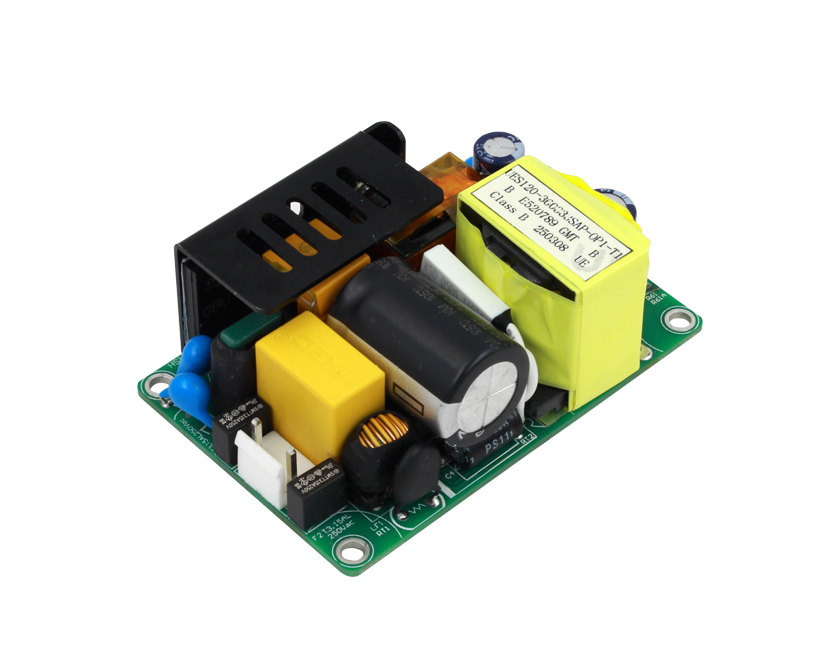
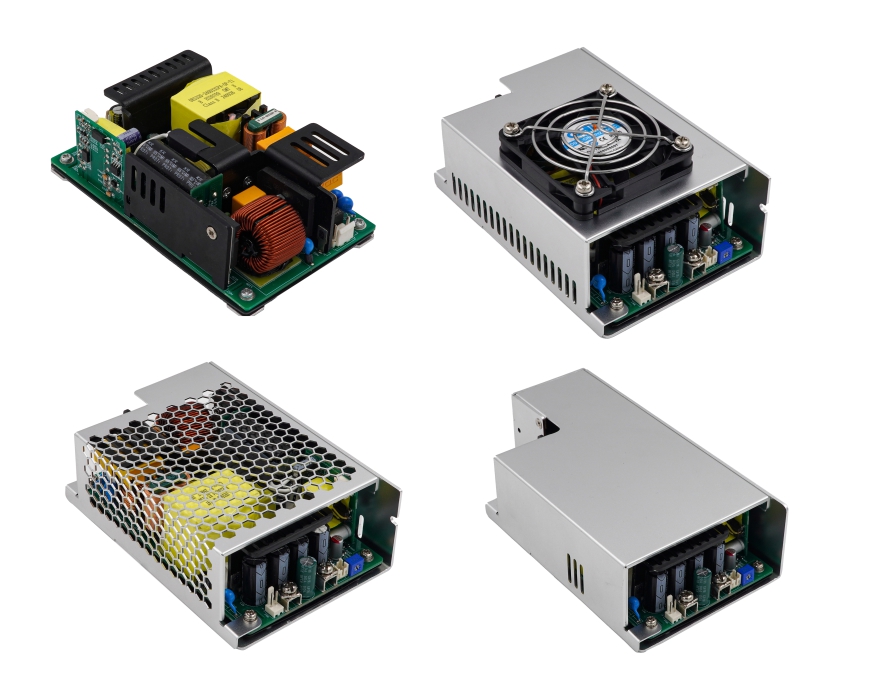
An internal medical power supply is integrated directly into the device, offering a more compact and unified design. This approach is often preferred for equipment where space optimization and system integration are critical.
With an internal medical power supply, engineers can optimize power distribution, reduce external cabling, and enhance overall product aesthetics. It also allows tighter control over system-level performance, which can be beneficial in high-precision medical applications.
However, integrating a medical power supply internally increases design complexity. The system must address thermal management, electromagnetic compatibility (EMC), and safety isolation within the device enclosure. Certification processes may also become more demanding, as the entire system must meet medical standards rather than relying on a pre-certified external adapter.
Key Decision Factors for Medical Device Manufacturers
Choosing between external power supply adapters and an internal medical power supply requires a structured evaluation of several factors. Safety compliance is a primary consideration. External adapters can simplify compliance, while internal designs require comprehensive validation.
Thermal performance is another critical factor. External power supply adapters help dissipate heat outside the device, whereas internal solutions must incorporate effective cooling strategies.
Operational flexibility and lifecycle management should also be considered. External adapters provide easier replacement and adaptability, while an internal medical power supply offers tighter system integration and potentially improved durability in fixed installations.
Energy efficiency, standby power consumption, and protection features—such as overvoltage and short-circuit protection—are equally important in both approaches. The final decision should align with the device’s intended use, operating environment, and regulatory pathway.
Aligning Power Design with Medical Device Performance and Compliance
Selecting the appropriate power architecture is essential for achieving reliable and compliant medical device performance. External power supply adapters provide flexibility, simplified certification, and ease of maintenance, while an internal medical power supply enables compact integration and optimized system control.
UE Electronic, with over 30 years of experience in power solution development, offers reliable options for both approaches. Solutions such as the UES65-SPAZ series demonstrate the advantages of high-quality power supply adapters, delivering stable performance, global compatibility, and compliance with medical standards. At the same time, UE Electronic supports the development of advanced medical power supply solutions tailored to integrated system requirements.
Through comprehensive EMC laboratories and rigorous verification processes, UE Electronic ensures consistent quality and safety. UE Electronic remains committed to supporting customers in selecting and implementing the most appropriate power solutions for medical applications, balancing performance, compliance, and long-term reliability.