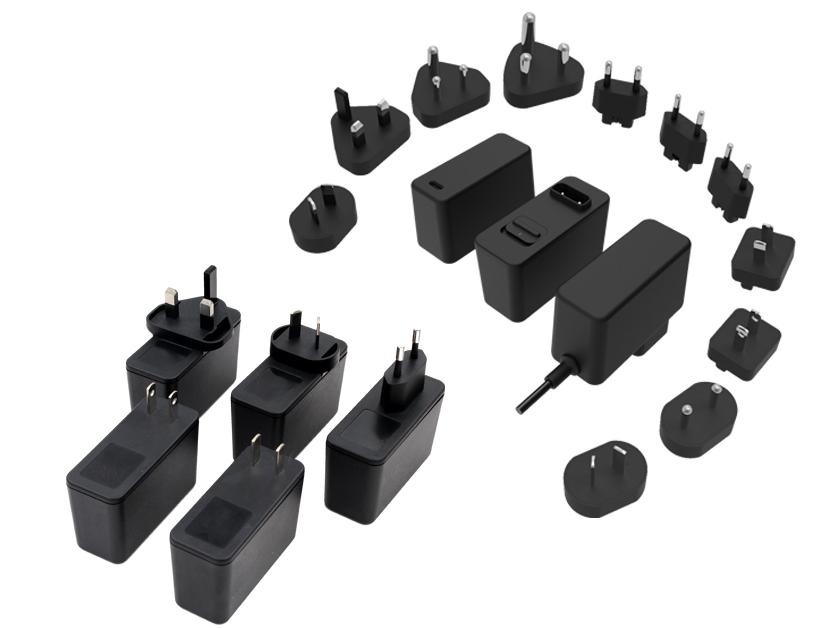






For professionals managing IT infrastructure, the question of component compatibility is a constant consideration. At UE Electronic, we recognize that the selection of a power supply unit is a foundational decision, with implications for system stability and operational continuity. The concept of an interchangeable ITE power supply refers to the capacity to replace one unit with another, often from a different manufacturer or product line, without compromising the function or safety of the IT equipment it serves. This discussion focuses on the technical and practical aspects of ITE power interchangeability, a topic that demands a clear understanding of specifications and standards.
Defining the Scope of ITE Power Supplies
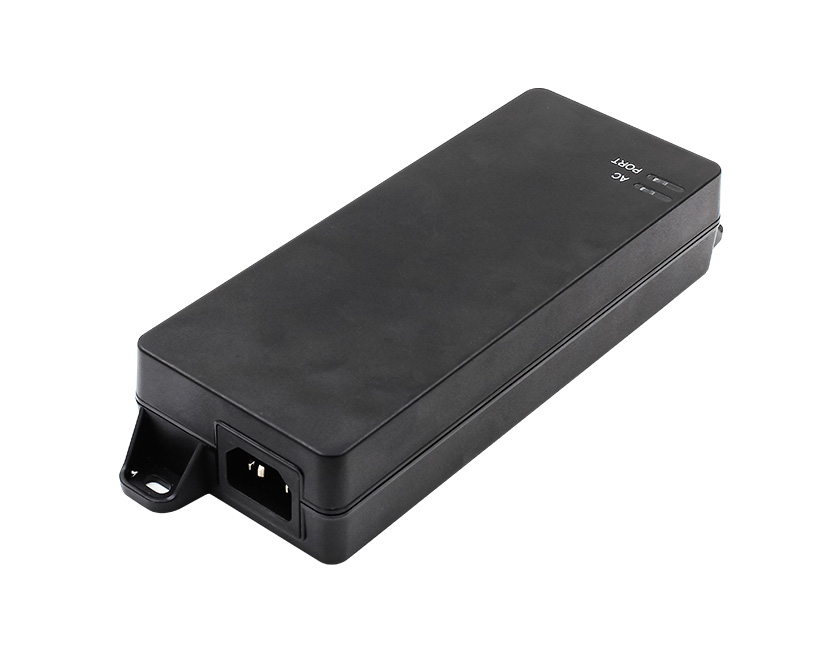
To grasp interchangeability, one must first understand what constitutes an ITE power supply. These units are designed specifically for Information Technology Equipment as outlined by international safety standards. Their primary function is to convert AC mains power to the low-voltage DC power required by servers, routers, switches, and storage systems. Not every power supply is suitable for ITE applications; those that are certified as such meet stringent requirements for electrical isolation, leakage current, and temperature control. When we develop our ITE power solutions, adherence to these defined parameters is the baseline from which all compatibility considerations begin.
The Critical Role of Form, Fit, and Function
True interchangeability rests on three pillars: form, fit, and function. The form involves the physical dimensions, mounting hole patterns, and connector types. A replacement ITE power supply must physically install into the chassis or rack without modification. The fit ensures that all electrical connectors engage properly with the host equipment’s motherboard or backplane. Most importantly, function requires that the electrical outputs—voltage, current, and power sequencing—precisely match the original unit’s specifications. A mismatch in any of these areas can lead to equipment failure or become a safety hazard. Our engineering process prioritizes these three factors to ensure our products align with common industry configurations.
Compatibility Beyond Physical Dimensions
While physical compatibility is essential, effective interchangeability of an ITE power supply involves deeper electrical and communication protocols. Many modern systems use digital signaling protocols, like PMBus, to communicate with the power unit. This allows for monitoring of health status, efficiency, and load sharing in redundant setups. An interchangeable unit must support the same communication language as the original. Furthermore, aspects like hold-up time, dynamic response to load changes, and efficiency curves under partial loads are functional characteristics that must be compatible. We design our ITE power products with these operational nuances in mind, aiming for seamless integration within complex system ecosystems.
Interchangeability for an ITE power supply is not a matter of simple substitution but a calculated alignment of mechanical, electrical, and communication standards. It provides system integrators and facility managers with necessary flexibility in maintenance and scaling operations. For us at UE Electronic, the goal is to engineer ITE power products that meet published specifications with consistency, supporting the industry’s need for reliable and compatible power solutions. This approach allows for informed selection, contributing to the long-term resilience of critical IT infrastructure.