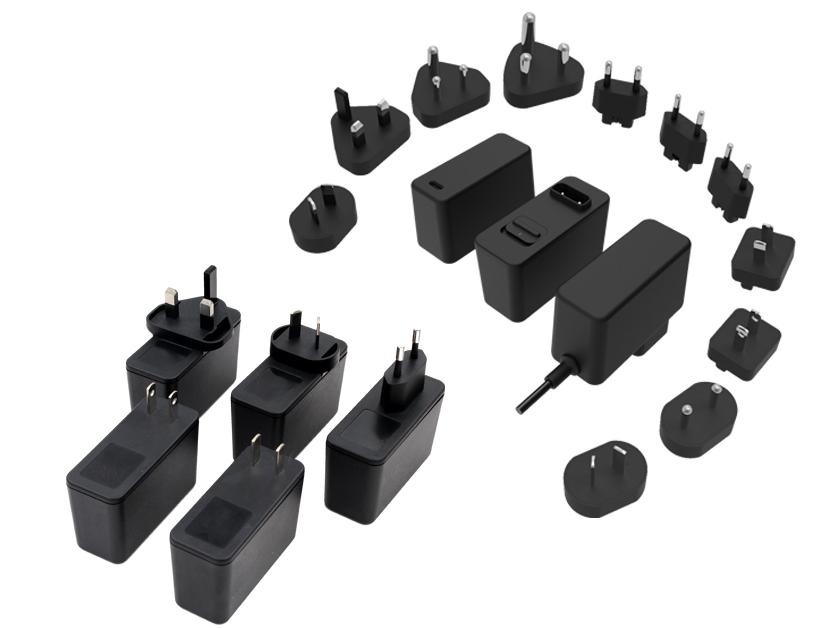


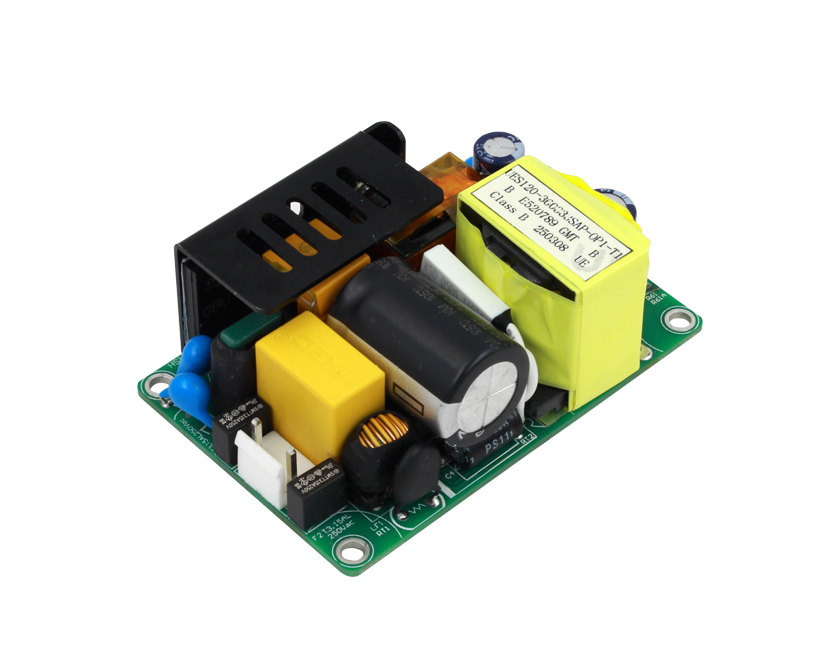
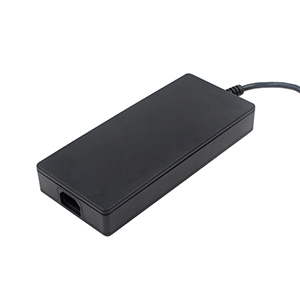
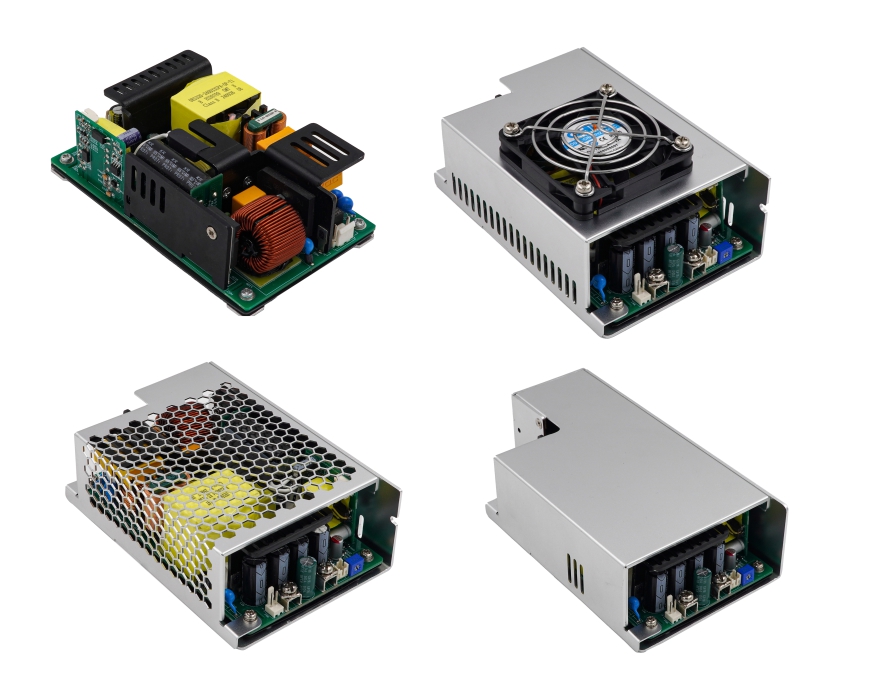
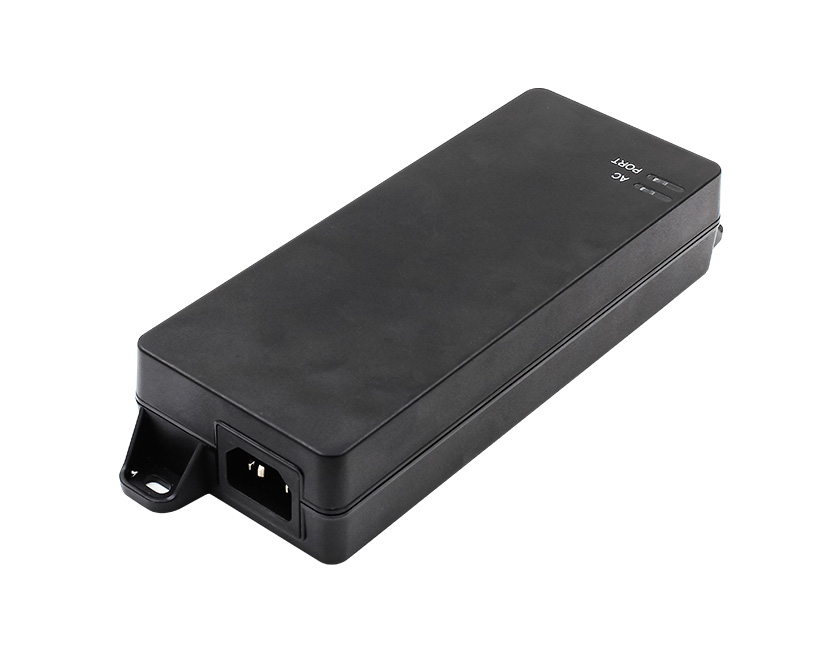




Choosing the correct power adapter is an important step during medical device development. Different systems require different voltage ranges, safety standards, connector types, and EMC performance levels. If the adapter does not match the equipment requirements, the device may experience unstable operation, overheating, or communication interference. When engineers evaluate an ac power supply adapter, they usually focus on output specifications, application environment, and certification compatibility. At UE Electronic, we support medical equipment manufacturers with power solutions designed for regulated applications and long-term integration projects.
Matching Electrical Parameters with Device Requirements
The first step in selecting a power adapter is checking the electrical specifications of the medical device. Input voltage, output voltage, current rating, and power range must align with the equipment design. For example, portable diagnostic devices may require compact adapters with stable output under continuous operation, while monitoring systems often need lower ripple noise to support signal accuracy.
When we develop a medical power supply adapter, we pay attention to practical integration details such as leakage current, insulation structure, and EMC performance. These factors are closely related to medical safety compliance. Our company also operates an EMC laboratory that helps customers evaluate electromagnetic compatibility during product registration and development stages. This process can reduce repeated testing during equipment certification preparation.
Considering Safety Standards and Product Structure
Medical applications often involve stricter safety requirements compared with standard consumer electronics. Engineers usually review certifications, protection functions, and thermal performance before selecting a power solution. Isolation protection and energy efficiency are also important because many devices operate for long periods in clinical environments.
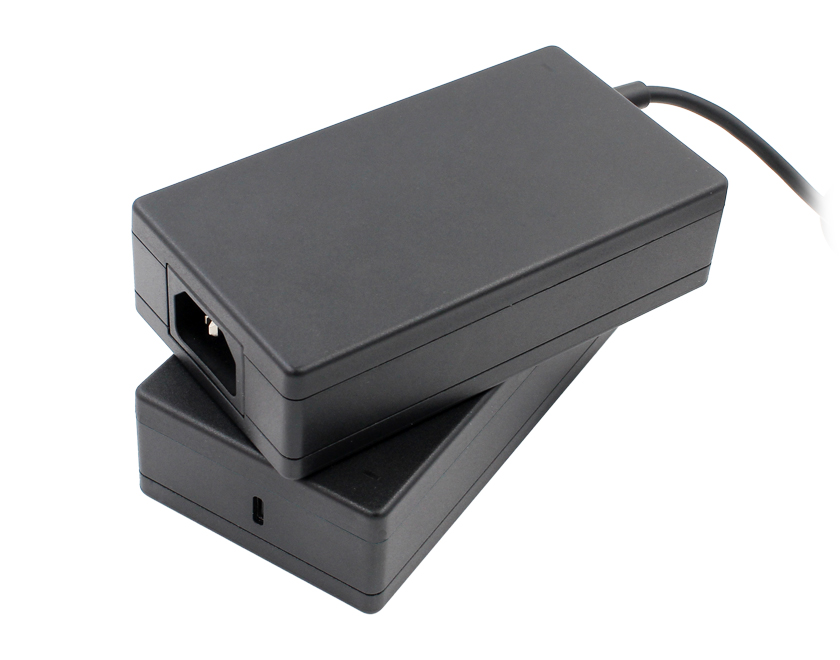
The UES140AZ-SPC and UES140BZ-SPC series from UE Electronic are designed for medical and ITE-related applications. These products support multiple output configurations and are developed with consideration for medical safety standards. Their compact housing structure can help simplify equipment layout inside limited installation spaces. For procurement teams, this type of design may help reduce compatibility concerns across different project stages.
Connector Selection and Long-Term Integration
Connector compatibility is another factor that is sometimes overlooked during early development. Different medical devices may require locking connectors, customized cable lengths, or specific plug standards for international markets. During OEM and ODM projects, these details can affect assembly efficiency and after-sales maintenance planning.
When selecting an ac power supply adapter, manufacturers also consider long-term supply continuity. Medical equipment often remains in use for many years, so stable product availability becomes important for future maintenance and replacement needs. We focus on long-term manufacturing support and maintain product categories covering medical, ITE, and industrial applications. This allows customers to evaluate different power configurations within a consistent engineering framework.
Conclusion
Choosing a suitable medical power supply adapter involves more than checking wattage alone. Engineers and sourcing teams usually evaluate EMC behavior, certification support, connector structure, thermal design, and long-term compatibility together. At UE Electronic, we develop power products for medical equipment manufacturers that require practical engineering support and stable supply capability for ongoing B2B projects.