





Specifying an open-frame versus enclosed power supply comes down to a hard engineering compromise: thermals and footprint against EMI isolation and touch safety. At UE Electronic, we see the real issue as how the power module will be integrated into the end product, how heat will be managed, what environmental protection is required, and which safety requirements apply. For OEMs and system integrators, the right choice starts with the equipment architecture rather than the power supply enclosure alone.
What Is an Open-Frame Switching Power Supply?
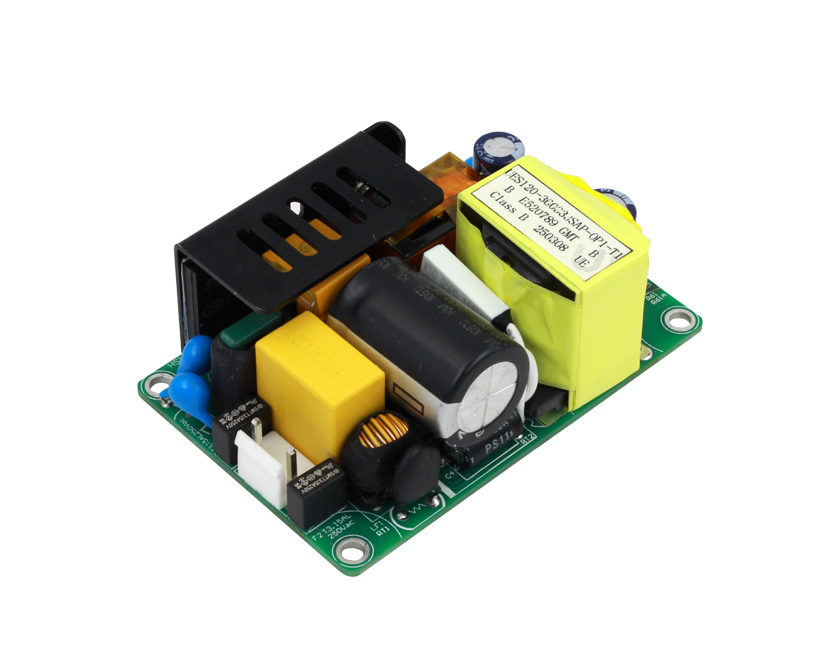
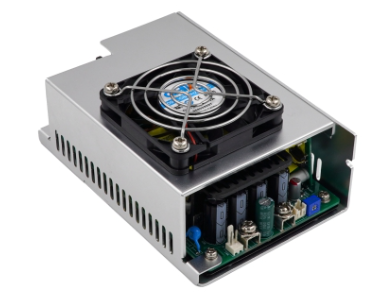
An open frame switching power supply is an AC-DC power supply built without a complete external enclosure. The power conversion circuitry is mounted on a board or chassis-ready structure so that the OEM can integrate it into the equipment housing. This approach can simplify mechanical integration and give the equipment designer more direct control over airflow and thermal management.
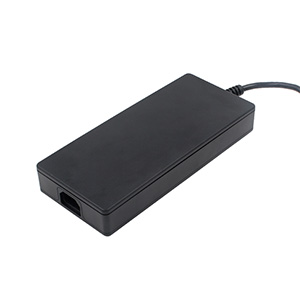
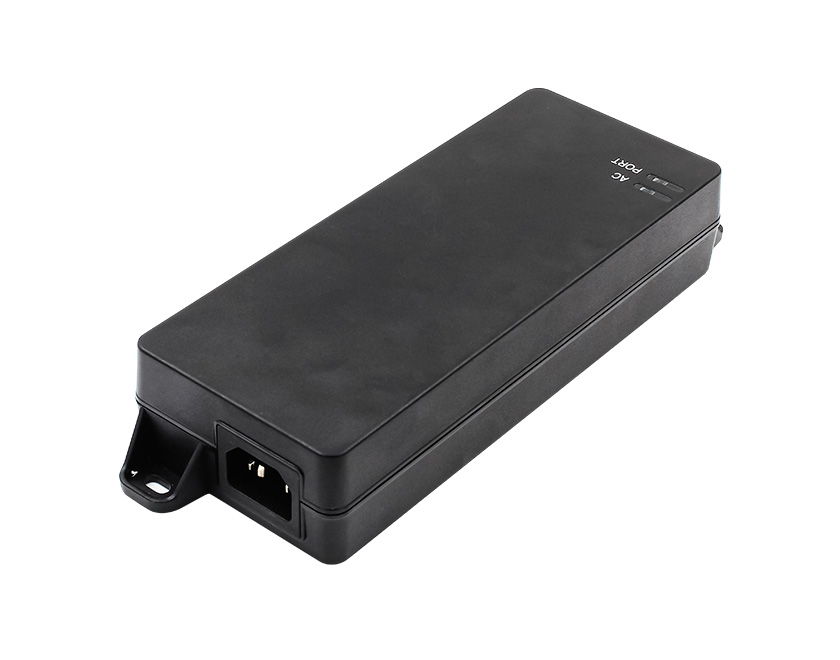
A closed-frame power supply, by comparison, places the power electronics inside a protective housing. The enclosure provides an additional physical barrier and can be useful when the power supply needs greater protection from accidental contact, dust, moisture, or the surrounding installation environment.
The distinction does not mean that one structure is universally better. Each is intended to solve a different integration problem.
Open Frame PSU vs. Closed Frame: What Changes in the Design?
The first major difference is thermal management. An open structure gives designers more freedom to use the equipment’s internal airflow path or external fan arrangement. A closed unit has its own enclosure, so heat must be transferred through the housing and its designed cooling path.
The second difference is mechanical integration. With an open frame PSU, the OEM can design the surrounding enclosure, mounting arrangement, airflow direction, and protective barriers as part of the complete product. This can be useful when internal space is tightly controlled or when the power supply needs to fit a specific system architecture.
A closed-frame design can reduce the amount of protection that the OEM needs to build around the power module itself. However, the enclosure also becomes part of the thermal and mechanical design, so its dimensions, ventilation, and installation position need to be considered.
Environmental conditions are another important factor. If the power supply will be exposed to dust, moisture, or accidental contact, a closed enclosure may provide a practical advantage. If the power supply is installed inside a protected equipment housing, an open design may offer greater flexibility.
How We Apply the Open-Frame Approach at UE Electronic
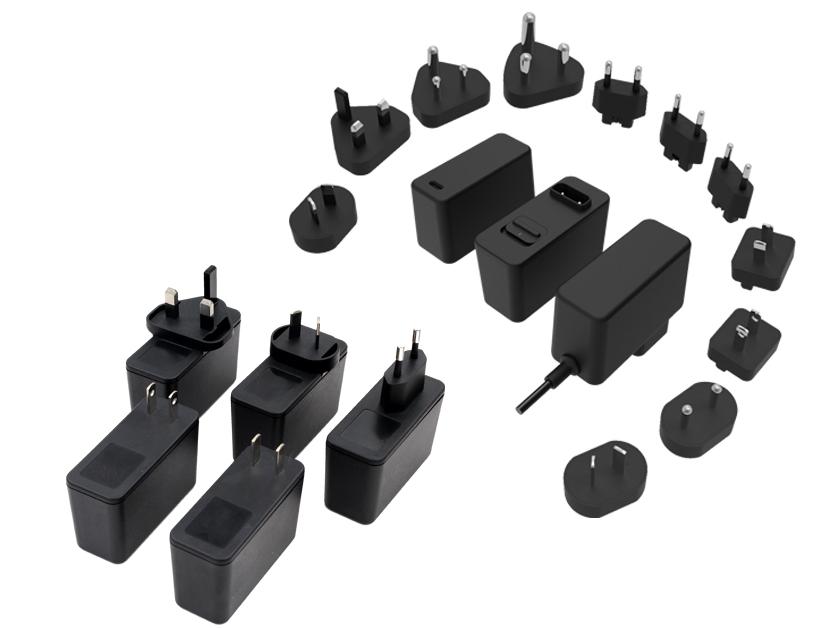
At UE Electronic, we develop power solutions for applications where electrical performance, safety compliance, thermal design, and system integration all need to be considered together. Our product portfolio covers medical power supplies, I.T.E. power supplies, PoE power supplies, chargers, and other AC-DC solutions, with products serving different equipment requirements.
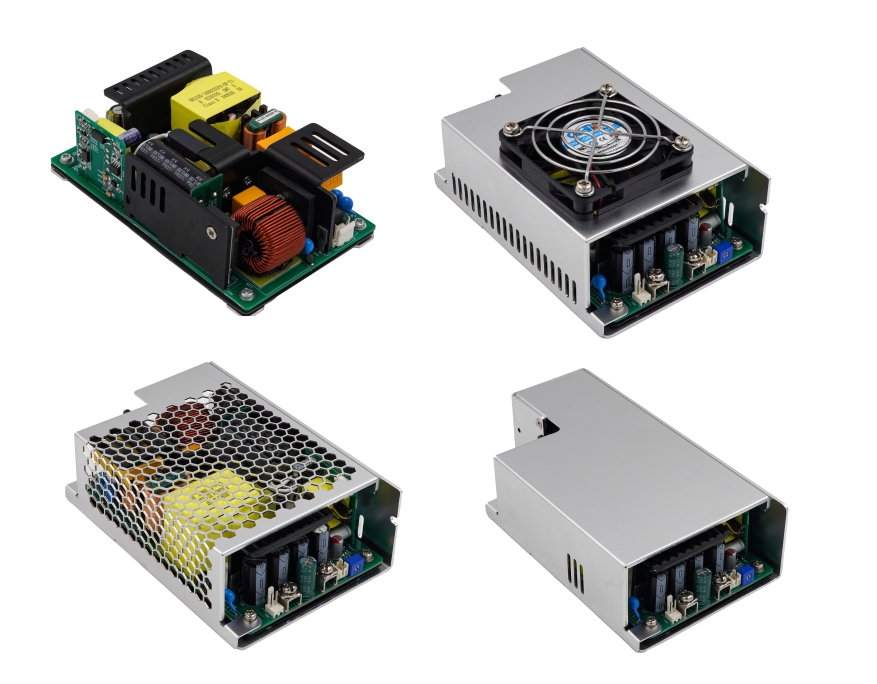
The UES500-XXXYYYSPAZ-OP is a useful example of how an open architecture can be matched to a specific application. The model accepts 80-264VAC input and supports output options from 12V to 54V. Its mechanical dimensions are 127.0 × 76.2 × 41.0 mm, and its listed weight is 480g.
Its cooling configuration is particularly relevant to the open-frame discussion. The product is rated at up to 319.92-319.96W for the listed 12V-24V convection-cooled versions and up to 319.68W for the 36V-54V versions. With user-provided forced-air cooling, the corresponding configurations reach approximately 499.5-499.95W depending on output voltage. This makes thermal integration an important part of the system design rather than a detail to be considered after installation.
The UES500 series also offers 12V, 15V, 18V, 19V, 24V, 36V, 48V, and 54V output configurations. Average efficiency is listed at 92%-94% depending on the output model, while standby power consumption is no more than 0.5W. The product supports operation from -30°C to 70°C with derating requirements in specified temperature ranges and an operating altitude of up to 5,000 meters.
Which Applications Can Benefit From an Open Design?
For medical equipment and I.T.E. equipment, the decision should be based on the complete system architecture. UE Electronic specifies the UES500 for medical and I.T.E. equipment power-adapter applications. The product incorporates 2 MOPP isolation protection and a leakage-current specification of no more than 100μA, with safety standards covering IEC 60601-1 and IEC 62368-1 through the listed certification framework.
Beyond medical and I.T.E. equipment, the open-frame concept can also be relevant to equipment where the power module is installed inside a controlled enclosure.
Depending on the output requirement and system design, power supplies can support electronics such as communication equipment, computers, LED-related equipment, and other embedded systems. The key is to match the power supply’s verified specifications with the actual electrical and environmental requirements of the finished product.
How Should Engineers Choose Between the Two?
We recommend evaluating five points before selecting an open or closed structure: available installation space, required airflow, environmental exposure, applicable safety requirements, and the way the power supply will be mounted and protected inside the final equipment.
If the end product already has a suitable enclosure and controlled airflow, an open frame switching power supply can provide useful integration flexibility. If the power module must operate as a more self-contained unit or needs additional physical protection, a closed-frame design may be more appropriate.
At UE Electronic, we believe the enclosure format should follow the equipment design—not the other way around. By reviewing electrical specifications, thermal conditions, safety standards, and mechanical constraints together, we can help engineers make a more informed power-supply selection and avoid treating the frame style as an isolated purchasing decision.