

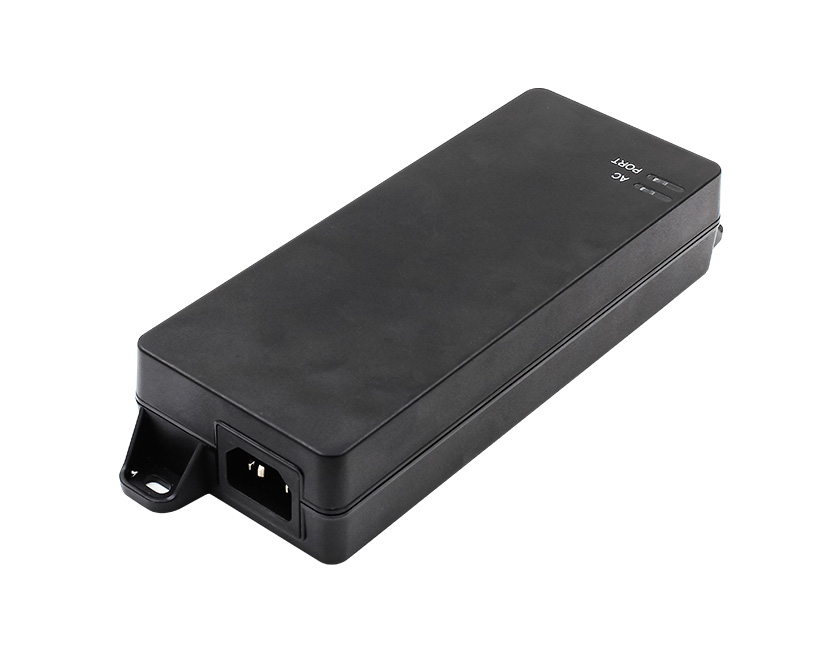


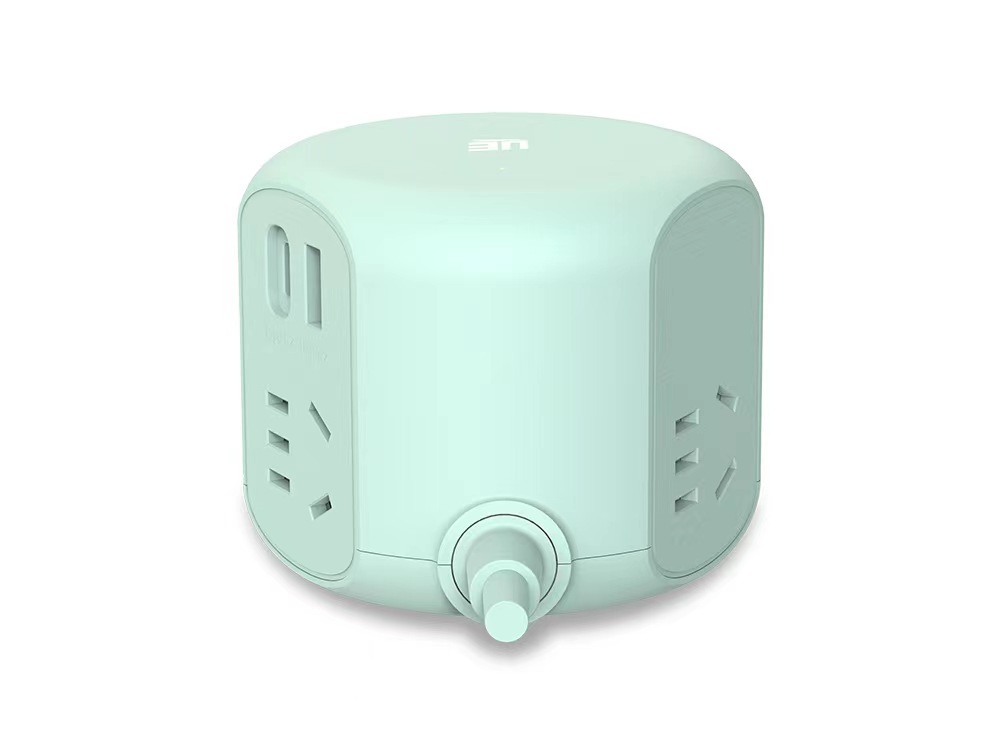


Consider a common challenge in electronics design: integrating a reliable power source into a constrained system without a custom, costly solution. This is where the open frame switching power supply becomes a fundamental component. At UE Electronic, we view the open frame PSU as a critical building block in modern electrical engineering, offering a blend of flexibility and standardized performance. This article explains its core principles and typical applications, providing a clear foundation for specification and integration.
Core Architecture and Design Principles
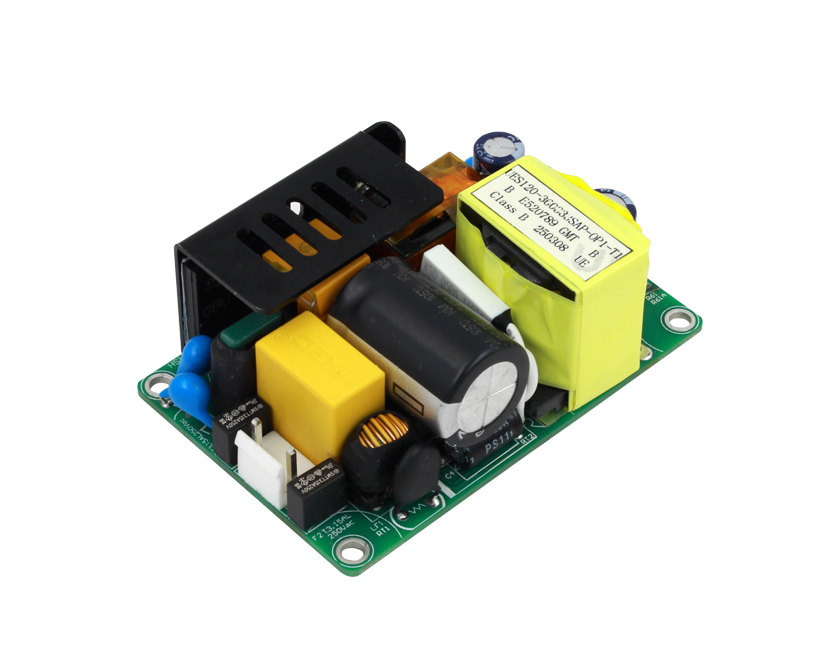
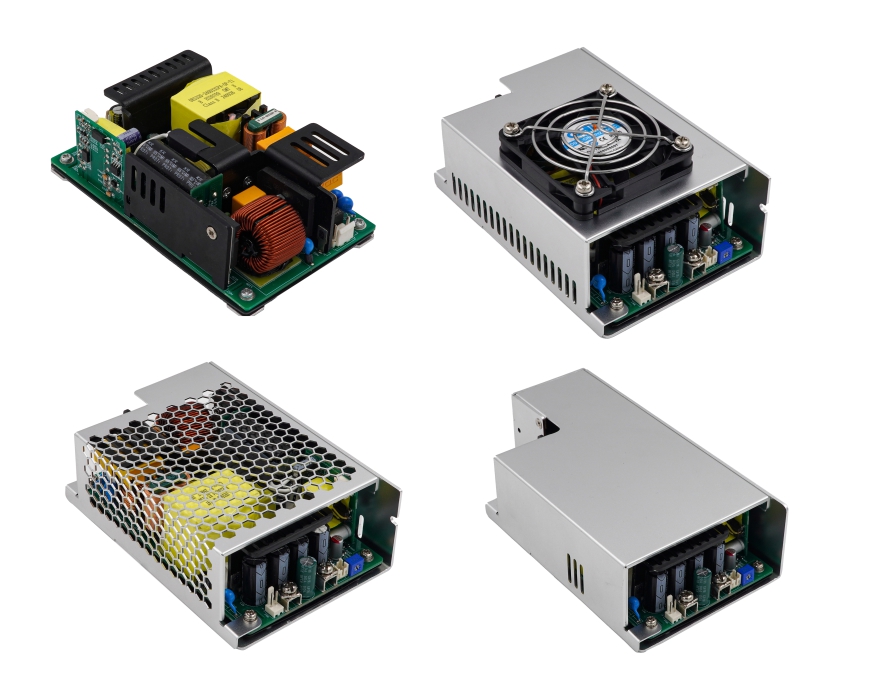
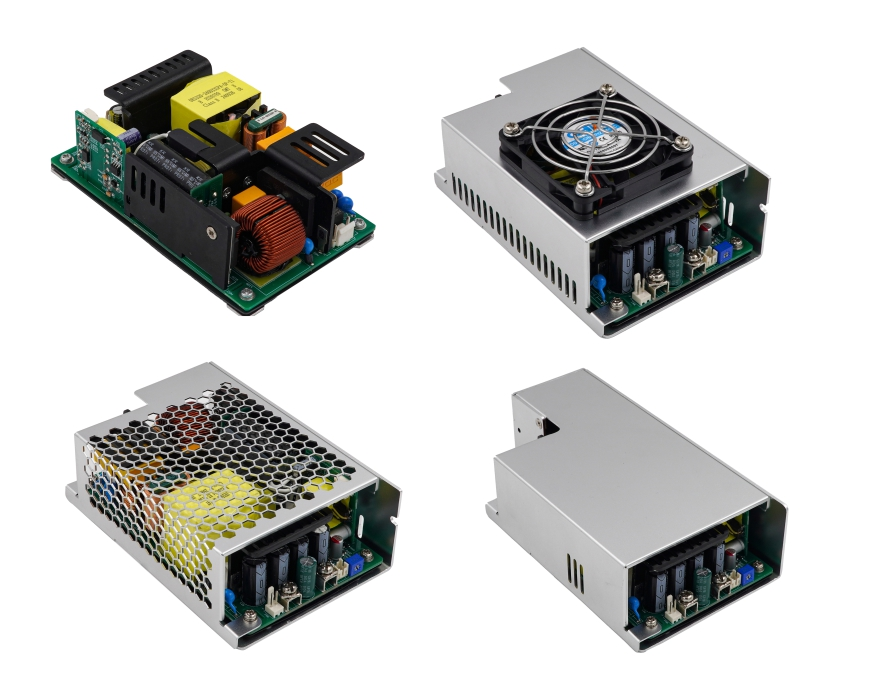
An open frame switching power supply is defined by its physical construction. Unlike enclosed units, it lacks a full metallic case, presenting its components on a sturdy, open chassis. This design is not a simplification but a strategic choice. It allows for direct airflow across heat-generating parts, such as transformers and MOSFETs, which supports thermal management. The operation hinges on high-frequency switching technology, which efficiently converts AC input to a regulated DC output. This method, common to many switch-mode designs, allows the open frame PSU to achieve a compact form factor and higher efficiency compared to traditional linear power supplies. The absence of a full enclosure directly relates to its primary advantages: reduced weight, lower material cost, and simplified integration into a host system’s own cooling strategy.
Primary Applications and System Integration
The typical use cases for an open frame PSU are found within larger enclosed systems. You will commonly find these units powering industrial automation controls, test and measurement equipment, telecommunications hardware, and specialized computing devices. In these applications, the end-product has its own chassis, rack, or cabinet, which provides structural support, safety isolation, and overall shielding. The open frame switching power supply is mounted inside, becoming a modular component of the complete assembly. This approach allows our engineers at UE Electronic to focus on optimizing the power supply’s electrical performance and reliability, knowing it will be integrated into a protected environment. The versatility of the open frame PSU makes it a preferred choice for OEM designers who require a proven, off-the-shelf power solution that adapts to their specific spatial and thermal layout.
Critical Selection Criteria for Engineers
Choosing the correct open frame power supply requires analyzing several technical parameters beyond basic voltage and current ratings. Safety and regulatory certifications are paramount; look for marks that indicate compliance with international standards. Efficiency level is another key factor, as a higher efficiency open frame PSU generates less waste heat, easing the thermal design burden on the host system. Physical dimensions and mounting options must align with mechanical drawings. Furthermore, performance characteristics like hold-up time, ripple and noise, and dynamic load response should be evaluated against the application’s demands. At UE Electronic, we provide detailed datasheets and application notes to assist with this assessment, ensuring the selected open frame switching power supply meets both electrical and mechanical requirements for a stable, long-term operation.
The open frame architecture remains a dominant solution for embedded power needs due to its effective balance of cost, performance, and integration flexibility. Its design logic centers on being a component within a system rather than a standalone device. For projects requiring dependable internal power conversion, the open frame PSU offers a practical and engineering-focused path forward. We focus on the precise engineering of these components to deliver the consistent performance that system designers rely on.