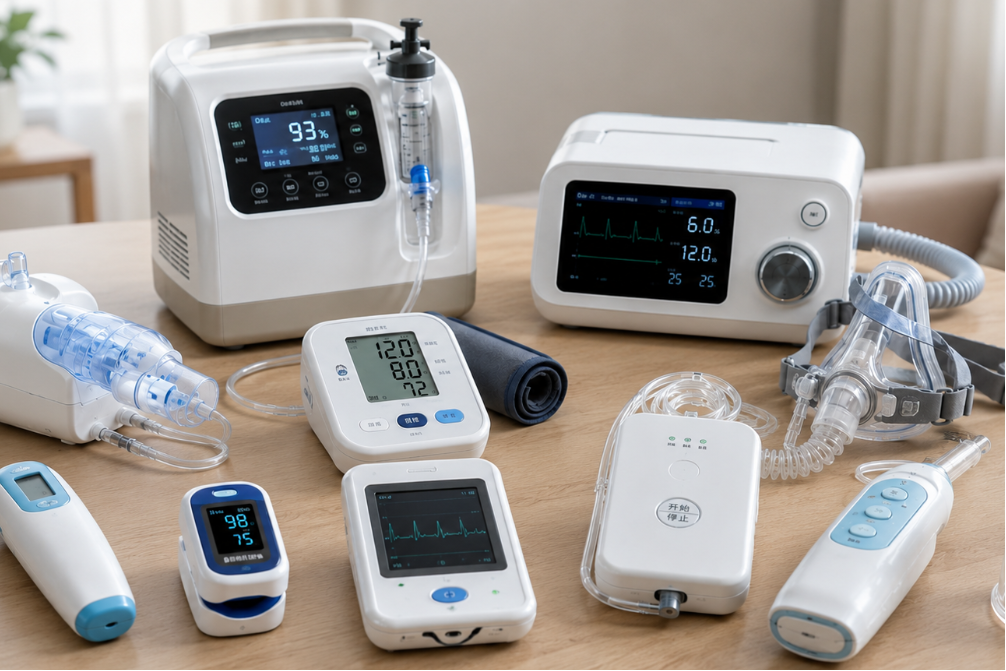


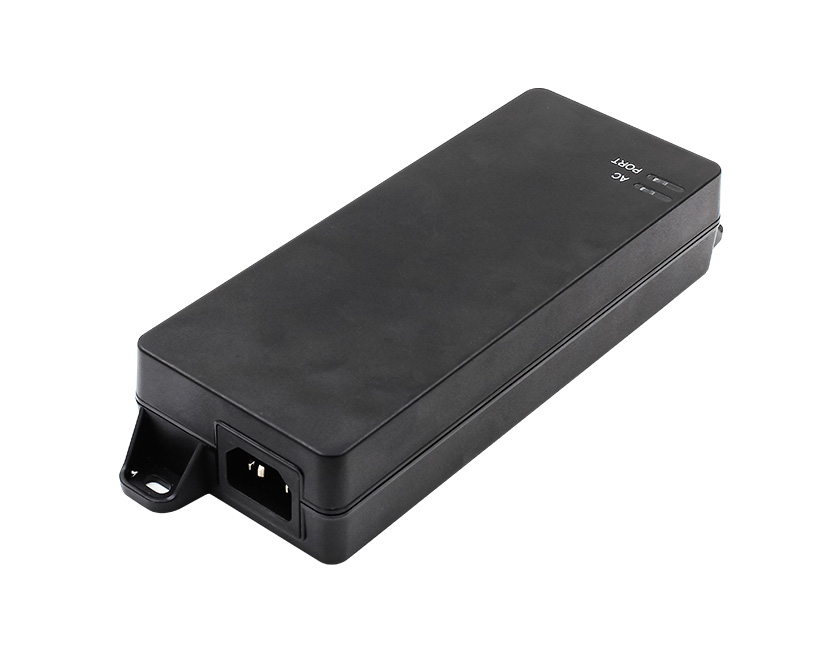






Medical equipment often operates in environments where electrical stability and patient safety are closely connected. Devices such as imaging systems, patient monitors, infusion pumps, and laboratory analyzers all rely on reliable power conversion during daily operation. For this reason, manufacturers usually evaluate insulation performance, leakage current control, EMC capability, and long-term supply continuity before selecting a medical industry power supply. At UE Electronic, we focus on practical engineering requirements for medical applications and support OEM and ODM customers with certified power solutions designed for healthcare equipment integration.
Electrical Isolation and Leakage Current Control
One important safety requirement in medical systems is electrical isolation. Medical equipment may come into direct or indirect contact with patients, so insulation protection between input and output circuits is necessary. A properly designed medical industry power supply can help reduce electrical risks while supporting stable device operation under continuous working conditions.
Leakage current is another key consideration during equipment design. Excessive leakage current may affect patient-connected systems or create difficulties during safety certification testing. To address these requirements, we develop products with medical safety standards in mind and support customers through EMC evaluation in our in-house laboratory environment. This process helps engineering teams identify compatibility issues earlier during product development.
Thermal Management and Structural Integration
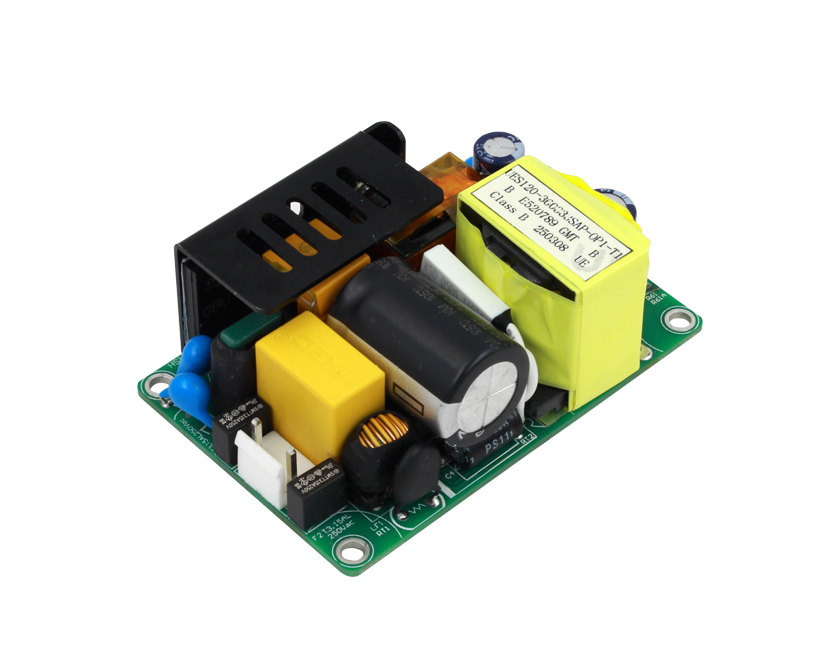
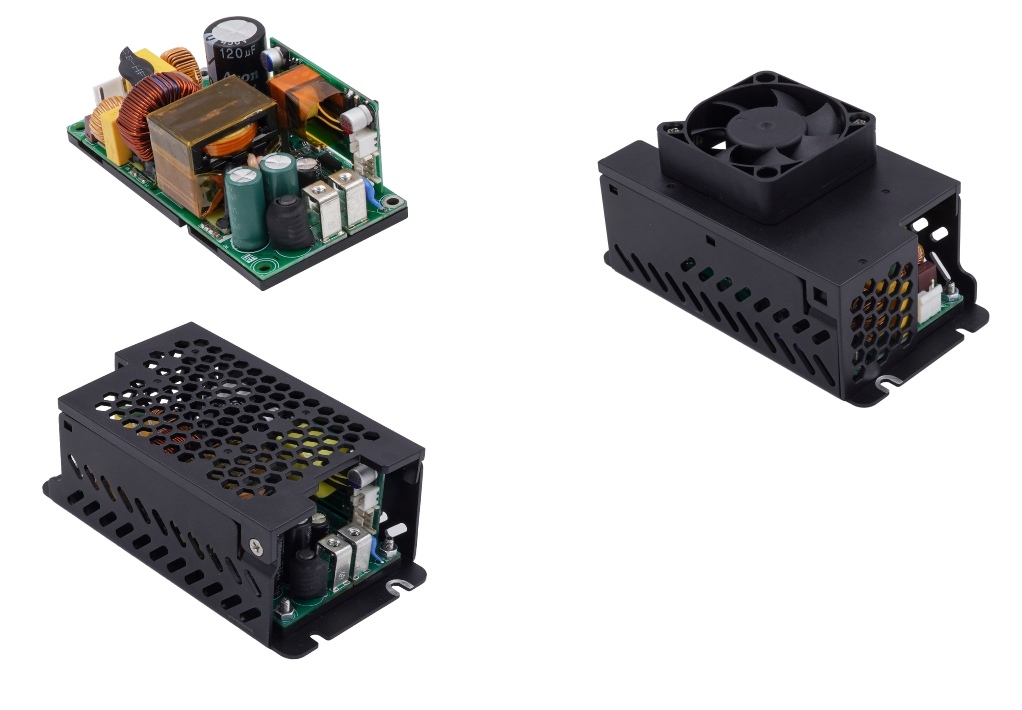
Medical equipment manufacturers also pay close attention to temperature control inside compact systems. Power modules operating for long periods may generate heat accumulation if airflow and layout are not managed properly. In these situations, an open frame power supply is often selected because it allows flexible integration into different medical device structures.
Our UES250-SPAZ-OP series is designed for medical and industrial equipment requiring stable output and compact installation space. The product supports multiple protection functions and can fit applications where engineers need organized internal layouts and efficient thermal performance. During development projects, we often work with customers on enclosure space evaluation, connector configuration, and EMC-related adjustments to support smoother integration into finished medical systems.
Certification and Long-Term Product Availability
Medical equipment projects usually involve long product life cycles. Hospitals and healthcare institutions may continue using the same equipment platform for many years, which means component continuity becomes an important purchasing factor. At UE Electronic, we maintain stable manufacturing systems and provide long-term supply support for customers developing medical devices for international markets.
Certification is also part of the safety evaluation process. Different countries may require standards related to EMC, electrical safety, and energy efficiency before products can enter the market. Our company supports multiple certification requirements across different application categories, helping procurement and R&D teams simplify supplier coordination during product planning.
Conclusion
Safety requirements for medical power systems involve more than basic electrical conversion. Engineers must consider insulation, EMC performance, thermal management, and long-term product availability together during equipment development. An open frame power supply can support compact medical system integration, while a properly designed medical industry power supply helps manufacturers address operational stability and compliance expectations. Through continuous engineering support and manufacturing experience, UE Electronic works with medical equipment companies on practical and application-focused power solutions.