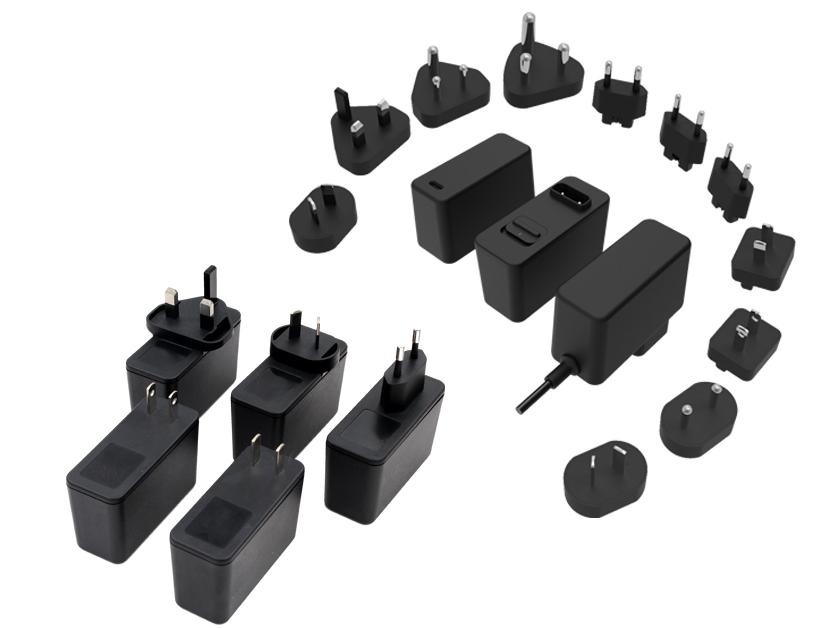






Compact medical systems require careful electrical design because internal space is limited while functional modules continue to increase. In these systems, power architecture must support stable switching behavior, safe grounding, and compatibility with multiple input sources. When we evaluate design requirements, we often consider how circuit power supply switching can be implemented without affecting signal integrity or thermal balance. At the same time, we also look at how UE Electronic supports medical equipment developers through standardized power modules designed for regulated environments.
Space-Conscious Electrical Architecture in Medical Devices
In compact medical equipment, internal layout is often shared between processing boards, communication units, and sensing components. Power distribution must therefore be carefully separated to avoid interference. During early design stages, we usually analyze load behavior and switching timing to ensure stable operation across all subsystems.
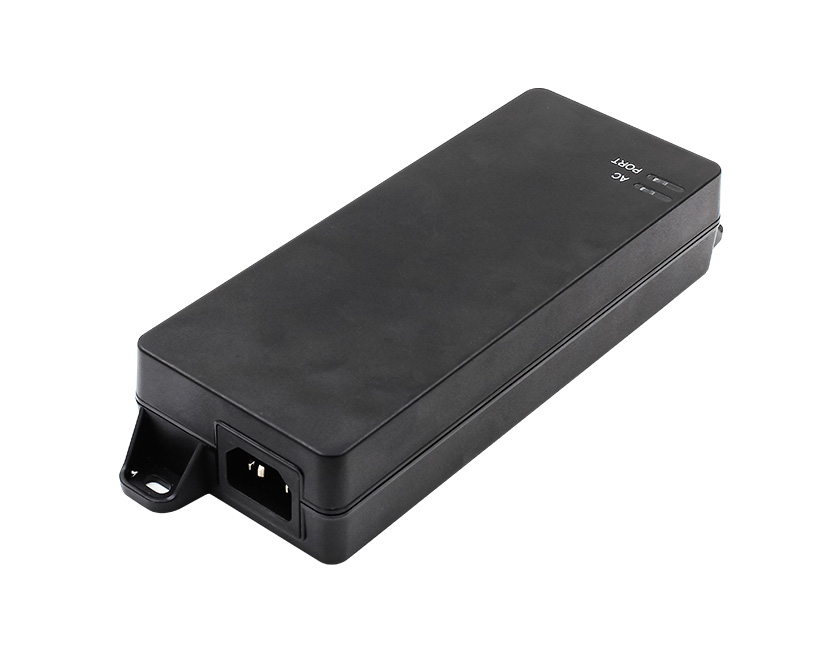
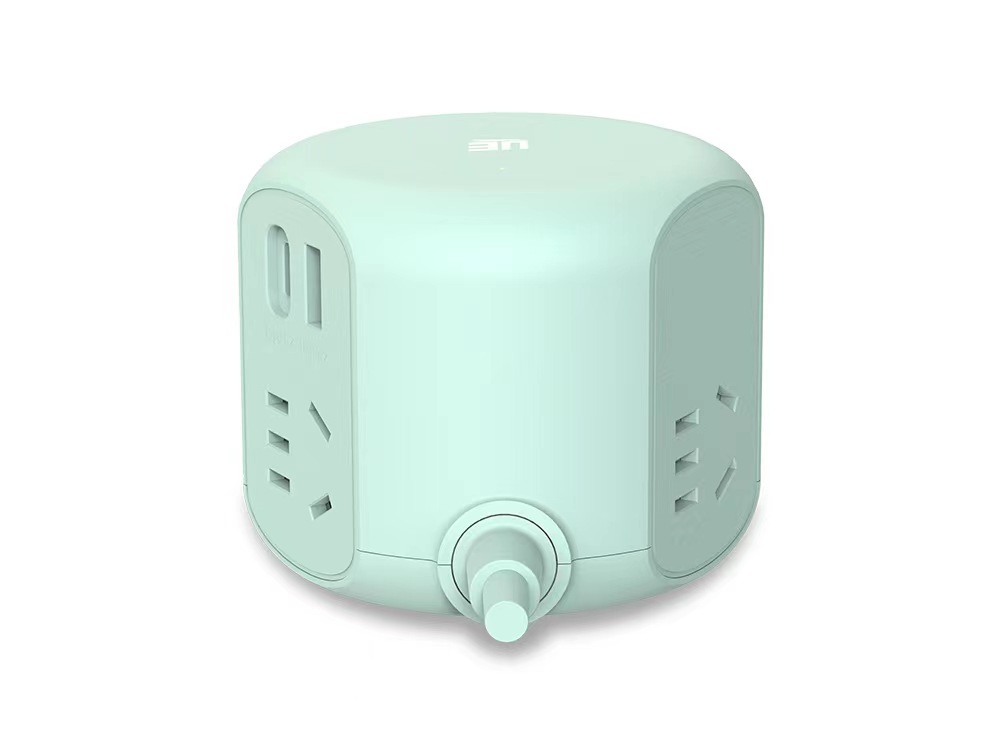
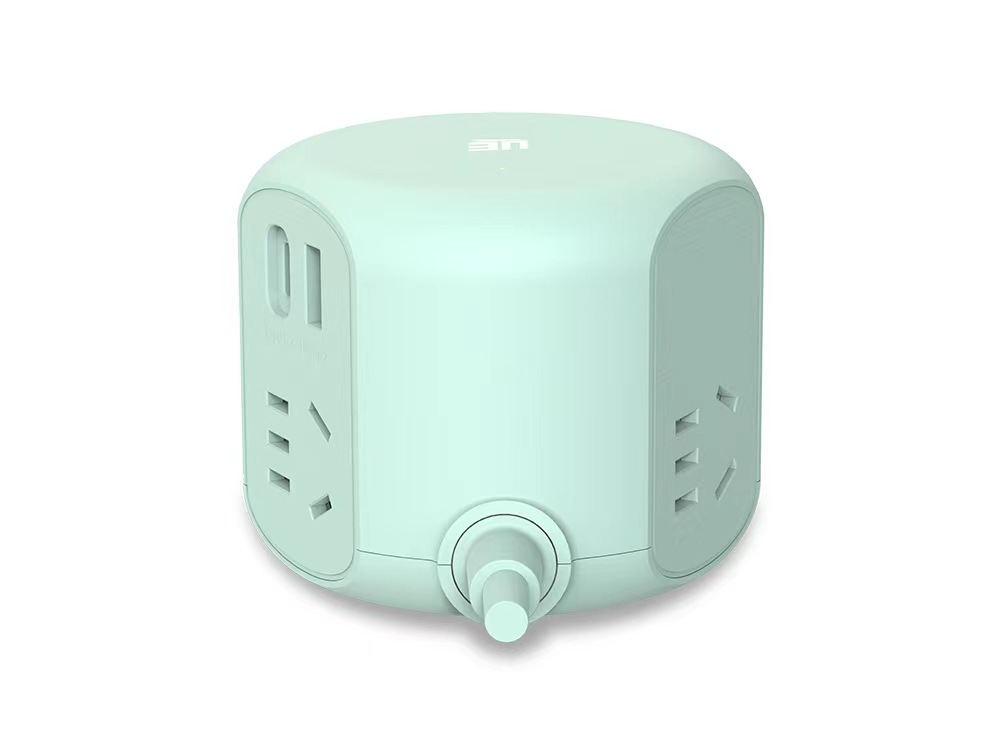
For interface design, components such as ac power socket structures are positioned to reduce wiring complexity and improve installation consistency. In many cases, we integrate a controlled circuit power supply switching method to ensure different modules receive power in a coordinated sequence, especially during startup and shutdown cycles. This approach helps maintain predictable system behavior in clinical environments.
Power Switching Stability and Integration Considerations
When integrating switching functions, one of the key concerns is maintaining stable voltage during load transitions. Sudden switching events may introduce noise or temporary drops, so we design circuits with controlled response timing and filtered output paths.
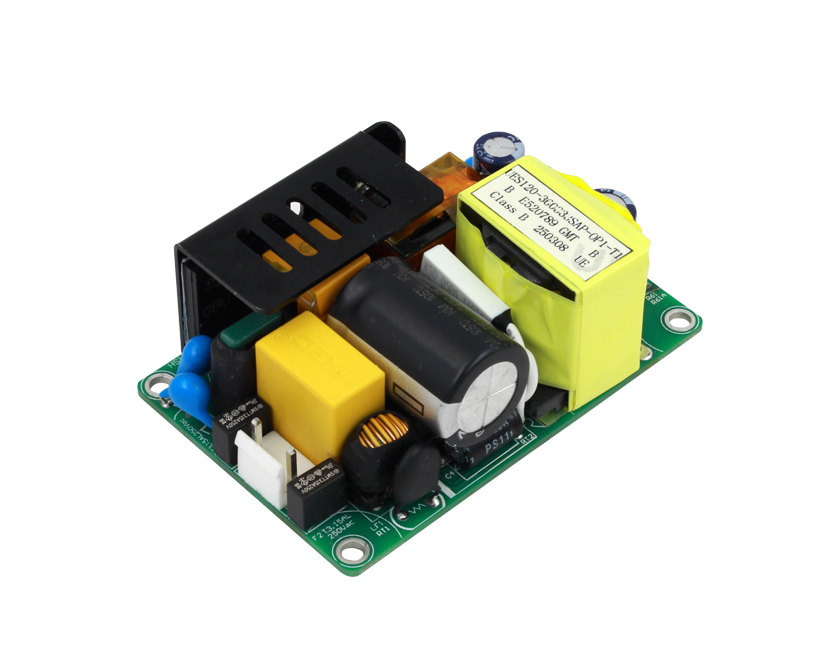
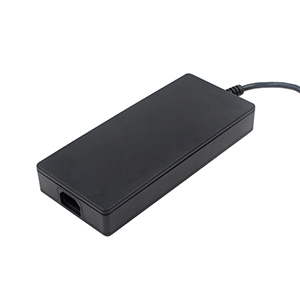
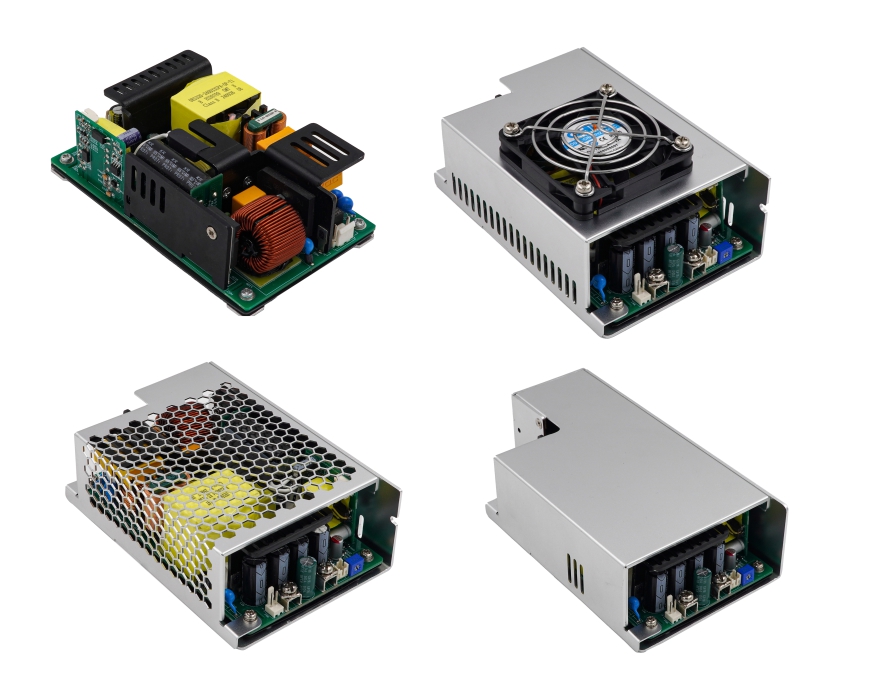
To support these requirements, UE Electronic provides modular solutions that can be adapted for different medical system configurations. Their product range includes AC input power units such as the ac power socket interface design used in medical-grade assemblies. These components are developed with compliance-oriented engineering, which supports system-level safety testing and EMC performance validation during product development stages.
We also reference solutions like the UEP35A322XXX series, which is designed for compact integration scenarios where stable switching behavior is required within limited space constraints.
Engineering Practices for Reliable Switching Performance
In practical applications, we focus on reducing switching stress across components. This includes optimizing grounding paths, minimizing loop resistance, and ensuring consistent current distribution. We also evaluate thermal behavior during repeated switching cycles, as compact systems may experience localized heat accumulation.
Another important consideration is long-term operational consistency. Medical devices are often used in continuous monitoring environments, so power switching mechanisms must remain stable over extended usage periods. We align these requirements with standardized design practices and validated module selection.
System-Level Design Summary
Integrating circuit power supply switching into compact medical systems requires a balance between space optimization, electrical stability, and regulatory alignment. Careful coordination of power paths and interface design such as the ac power socket helps improve overall system structure without increasing layout complexity. Through modular power solutions and engineering support capabilities from UE Electronic, medical device developers can build systems that maintain stable operation across different usage conditions while supporting long-term design consistency.