







X and Y capacitors may look like small input-filter components, but they affect electromagnetic interference, leakage current, insulation safety, and final certification. In switching power supplies, the wrong capacitor choice can reduce one type of noise while creating a safety or compliance problem.
This guide explains how we classify and select X and Y capacitors for B2B power supply designs, including medical, ITE, PoE, household, and charger applications.
What Are X and Y Capacitors in Switching Power Supplies?
X and Y capacitors are safety capacitors used in AC input EMI filtering, but they are installed in different circuit positions. We use X capacitors between line and neutral to filter differential-mode noise, while Y capacitors are connected from line or neutral to ground to filter common-mode noise.
Capacitor type | Circuit position | Main noise target | Key selection risk |
X capacitor | Line to neutral | Differential-mode noise | Pulse voltage and mains stress |
Y capacitor | Line/neutral to earth | Common-mode noise | Leakage current and insulation safety |
What does an X capacitor do?
An X capacitor suppresses noise between the live and neutral lines. Because it sits across the AC mains input, it must use an approved safety-capacitor class rated for the expected mains transients and fire-safety requirements.
For example, chargers and ITE adapters often need X capacitors in the input filter because high-frequency switching can send conducted noise back toward the AC line.
What does a Y capacitor do?
A Y capacitor suppresses common-mode noise between the primary circuit and earth or chassis. Because this path is related to insulation safety, Y capacitor selection must consider both noise reduction and leakage current.
This is especially important in medical and home healthcare devices. A larger Y capacitor may improve EMI performance, but it may also raise leakage current and complicate safety approval.
How Are X and Y Capacitors Classified?
X and Y capacitors are classified by safety level, application position, and withstand requirements. We classify X capacitors as X1, X2, and X3, while Y capacitors are classified as Y1, Y2, Y3, and Y4.
Class | Typical use logic | Key point |
X1 | Higher pulse voltage line-to-line filtering | Used where peak pulse stress is higher |
X2 | Common line-to-line filtering | Often used in commercial AC input designs |
X3 | Lower pulse voltage line-to-line filtering | Used where pulse stress is lower |
Y1 | Reinforced or double insulation paths | Used where insulation protection is stricter |
Y2/Y4 | Basic or supplementary insulation paths | Used where safety class allows |
How should engineers compare X1, X2, and X3 capacitors?
Engineers should compare X1, X2, and X3 capacitors by expected peak pulse voltage and mains input conditions. X1 is used for higher pulse stress, while X2 is common in many commercial power supplies.
For example, a PoE power supply and a desktop Information Technology adapter may both use X capacitors. However, their surge environment, cable length, and installation conditions may lead to different X capacitor requirements.
How should engineers compare Y1, Y2, Y3, and Y4 capacitors?
Engineers should compare Y capacitors by insulation type and leakage current impact, not only by capacitance. UE Electronic’s classification links Y1 with double or reinforced insulation, while Y2, Y3, and Y4 are linked with basic or supplementary insulation conditions.
This matters because Y capacitors influence safety performance. A capacitor that helps the product pass conducted EMI testing may still be unsuitable if it does not match the required insulation structure.
What Safety Standards Should Engineers Check Before Selecting X/Y Capacitors?
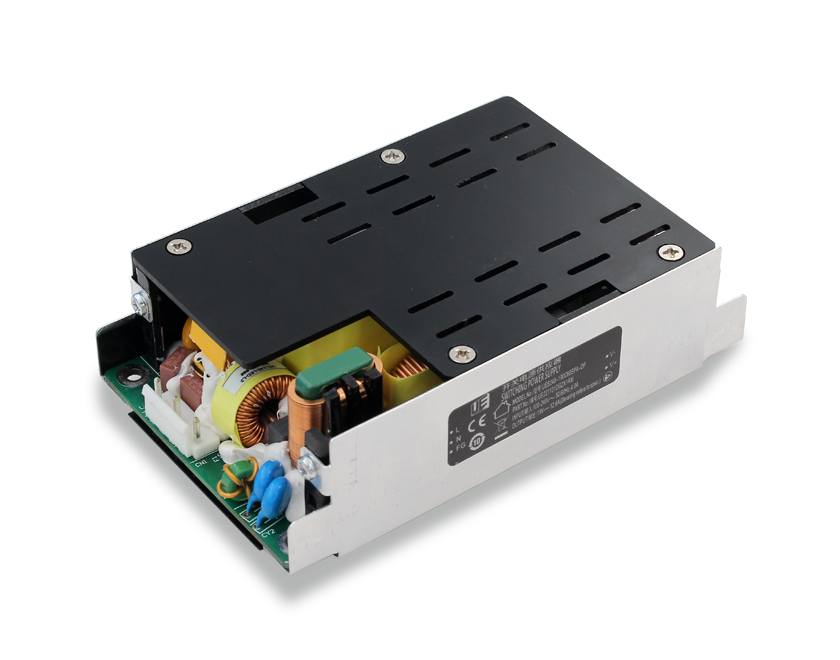
Engineers should check both capacitor-level standards and final equipment standards. IEC 60384-14 applies to capacitors and resistor-capacitor combinations connected to AC mains or other supply systems, so it is a core reference for EMI suppression capacitors.
- Capacitor level:IEC 60384-14 for mains-connected EMI suppression capacitors
- Medical equipment level:IEC 60601-1 for medical electrical equipment safety
- Information Technology level:IEC 62368-1 for audio/video, information, and communication technology equipment
- Application level:leakage current, insulation, surge, temperature, and EMI testing
Why is IEC 60384-14 important?
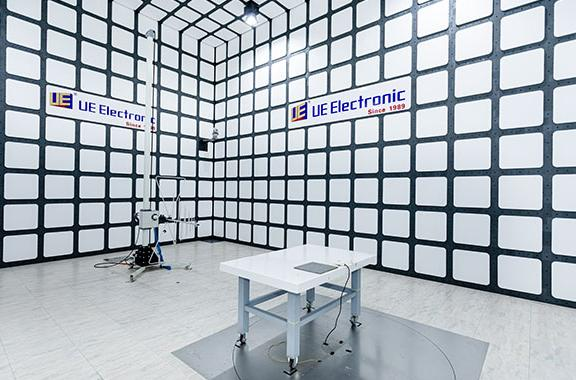
IEC 60384-14 is important because X and Y capacitors are not ordinary capacitors. The standard covers capacitors used for electromagnetic interference suppression and connection to the supply mains.
Therefore, buyers should not approve a component only because capacitance and voltage look similar. The capacitor must match the safety class, circuit position, and certification requirements.
What changes in Medical power supplies?
Medical power supplies require closer review of leakage current and insulation protection. This is why Y capacitor value, insulation class, and safety certification should be checked early, not after the PCB layout is complete.
In Medical applications, the practical rule is simple: use enough Y capacitance to support EMI performance, but avoid oversizing it without leakage current testing.
What changes in Information Technology, PoE, and Chargers?
ITE, PoE, and charger designs need a balance between EMI filtering, compact layout, safety approval, and stable production. IEC 62368-1:2023 classifies energy sources and defines safeguards for audio/video, information, and communication technology equipment.
For PoE equipment, cable-related noise may make common-mode filtering more important. For compact chargers, board space and thermal layout often limit capacitor placement.
How should Medical and Home healthcare designs be selected?
Medical and Home healthcare designs should begin with leakage current and insulation requirements. This avoids late-stage redesign when a product passes EMI testing but fails safety review.
A practical method is to test leakage current with the planned Y capacitor value, then adjust the filter only after safety and EMI results are compared together.
How should Information Technology, PoE, and Chargers designs be selected?
Information Technology, PoE, and Chargers designs should start with input voltage range, noise target, PCB space, and certification scope. The capacitor must remain a certified safety capacitor, even when space or cost pressure is high.
For example, a compact charger may need careful capacitor placement, while a PoE power supply may need stronger common-mode noise control because of long network cabling.
How Does UE Electronic Apply These Requirements in Power Supply Design?
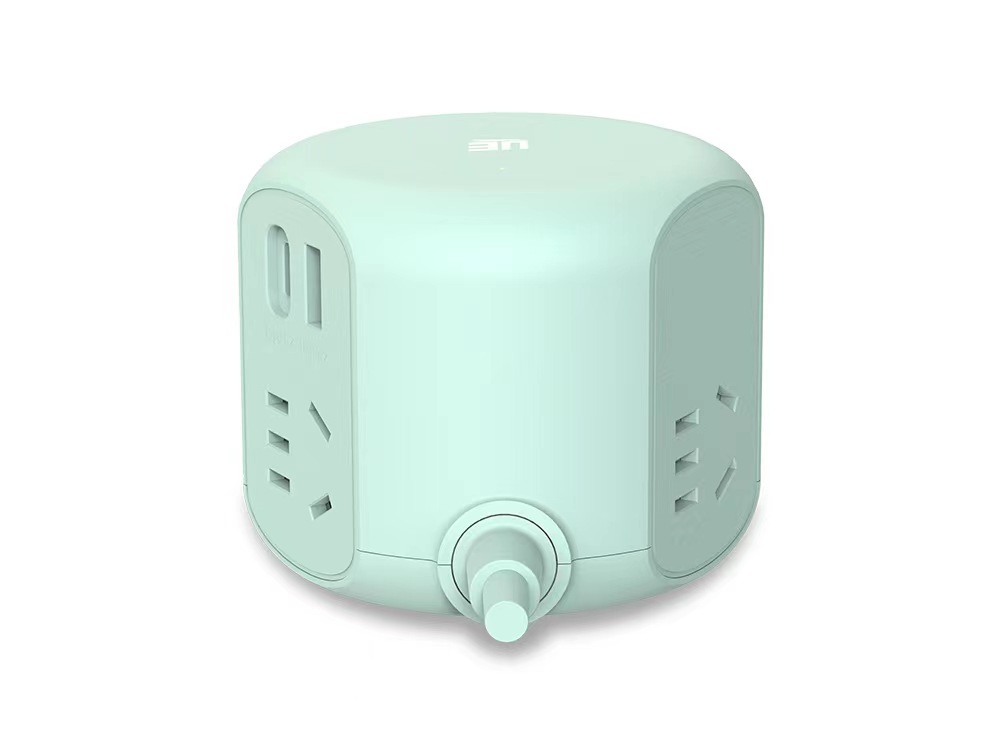
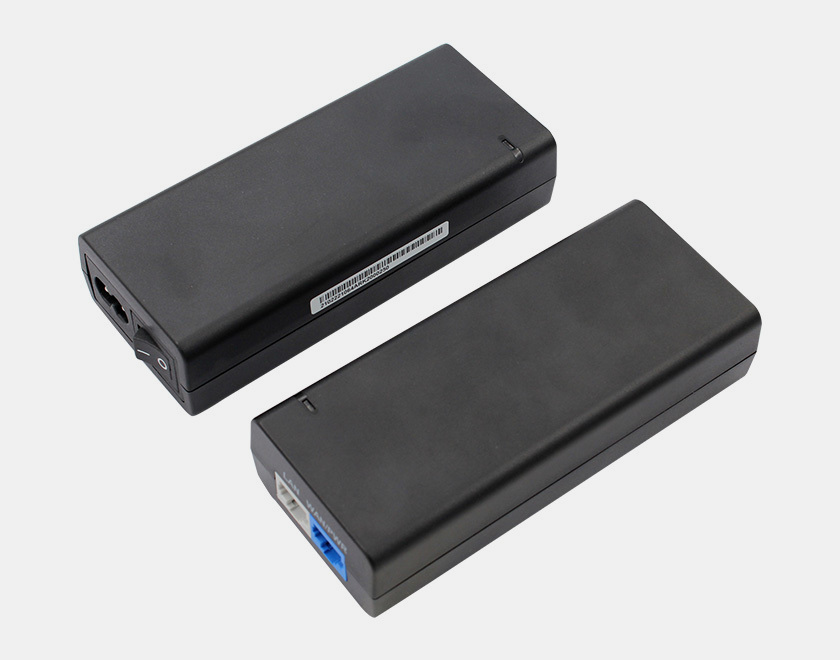
UE Electronic’s product range shows how X/Y capacitor selection connects to complete power supply design. Our product categories include Medical Power Supply, I.T.E. Power Supply, PoE power, PD Charger, and Power Strip.
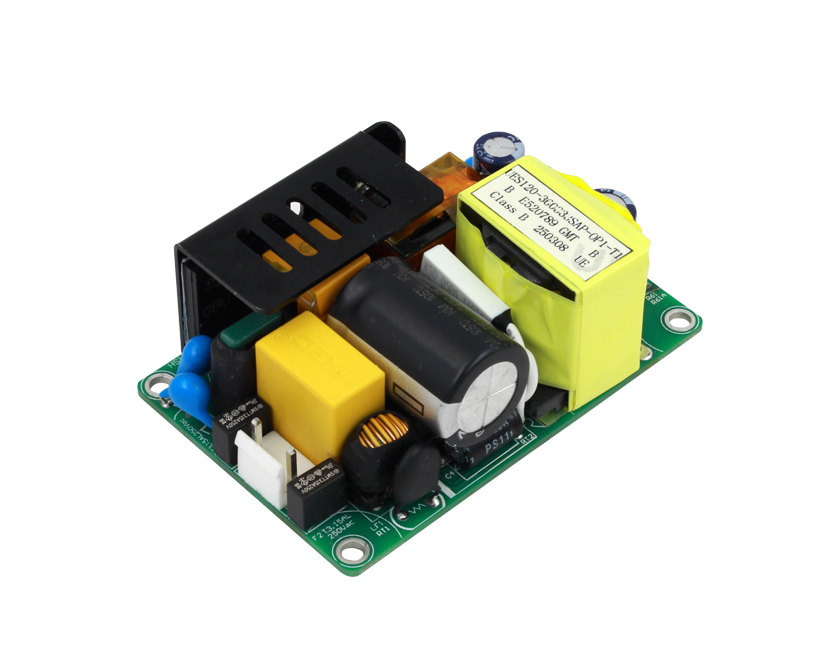
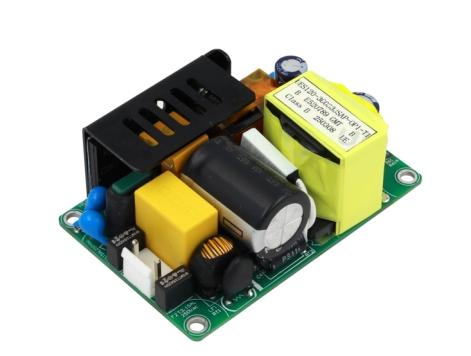
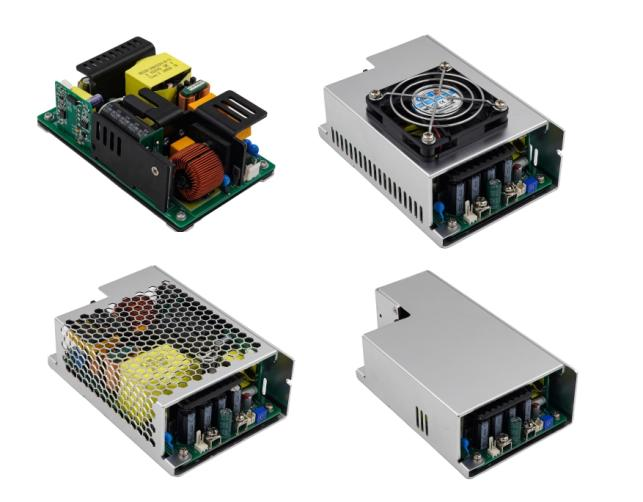
The UES500-SPAZ-OP open frame switching power supply is designed for medical and ITE equipment power adapters. We list features including 80–264 VAC input, 2 MOPP isolation protection, 12 V to 54 V output options, 320 W with natural convection, and 500 W with external forced air.
UE Electronic example | Verified product point |
Product | UES500-SPAZ-OP open frame switching power supply |
Application | Medical and ITE equipment power adapters |
Input | 80–264 VAC |
Output options | 12 V to 54 V |
Cooling | 320 W convection; 500 W forced air |
Safety relevance | 2 MOPP isolation protection |
What should buyers learn from this product example?
Buyers should treat x and y capacitors as part of the full power supply compliance path. EMI filtering, insulation design, leakage current, grounding, and final safety testing must be reviewed together.
This is especially relevant when one platform needs to support Medical, Information Technology, PoE, Home, or Chargers applications, because each use case can create a different safety priority.
Conclusion: How Should You Decide Between X and Y Capacitors?
The first decision is circuit position. Use an X capacitor for line-to-line differential-mode filtering, and use a Y capacitor for line-to-earth common-mode filtering.
After that, the decision becomes a compliance review. Engineers should confirm safety class, IEC 60384-14 approval, final equipment standard, leakage current, pulse voltage, and temperature conditions before approving the component.
Selection flow:
- Identify the capacitor position.
- Confirm the noise type.
- Choose the correct X or Y class.
- Check IEC 60384-14 and final equipment standards.
- Review leakage current, especially for Medical and Home healthcare designs.
- Validate the final design through EMI and safety testing.
For B2B projects, X and Y capacitors should not be selected only by capacitance. The right choice connects EMI performance, safety certification, leakage current, and real application requirements into one verified design path.