







A frequent point of confusion in specifying power components for global electronics involves the distinct roles of an adapter and a converter. While the terms are sometimes used interchangeably in casual conversation, they refer to different devices with separate electrical functions. We at UE Electronic recognize that selecting the correct component is necessary for both device safety and performance. This clarification focuses on the technical definitions and typical use cases for each, with specific attention to where a switching power adapter or a universal AC plug adapter fits into the landscape.
Defining the Core Function: Physical Interface vs. Electrical Transformation
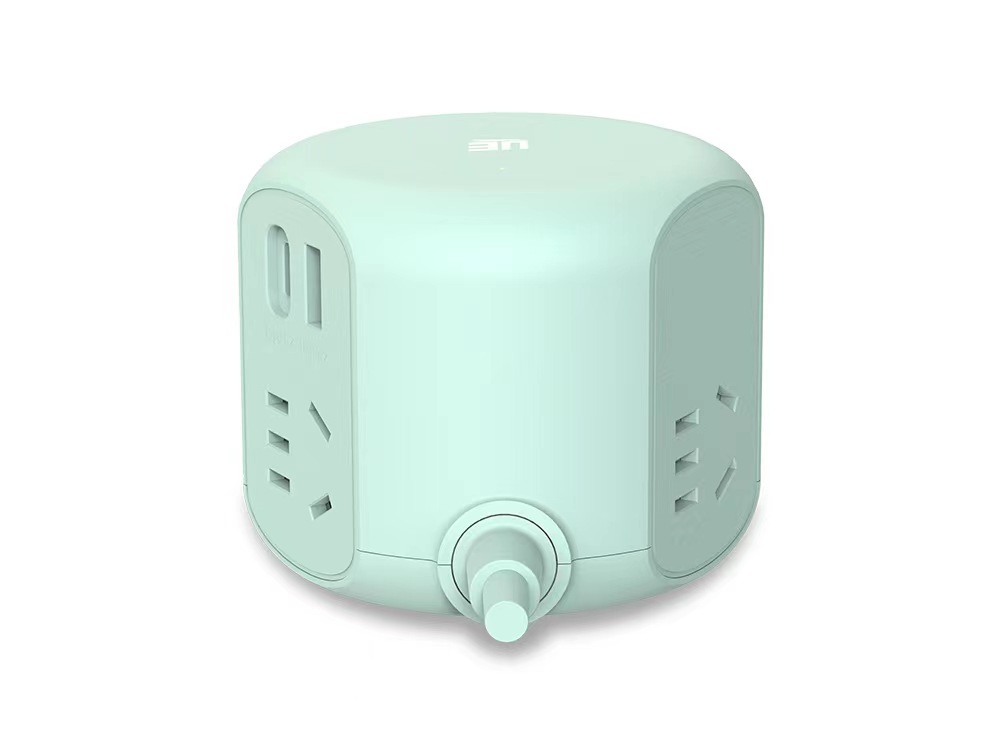
The fundamental difference lies in the primary task each device performs. An adapter, in its broadest sense, is a device that allows compatibility between different interfaces or standards. Its role is often physical adaptation. For instance, a universal AC plug adapter modifies the physical shape of a plug to fit into various wall outlet types across different countries; it does not change the electrical characteristics of the power coming from the wall. A converter, however, is designed to change the fundamental electrical property of the input power, most commonly altering the voltage from one level to another, such as stepping down 240V AC to 120V AC.
The Role of a Universal AC Plug Adapter in Global Deployment
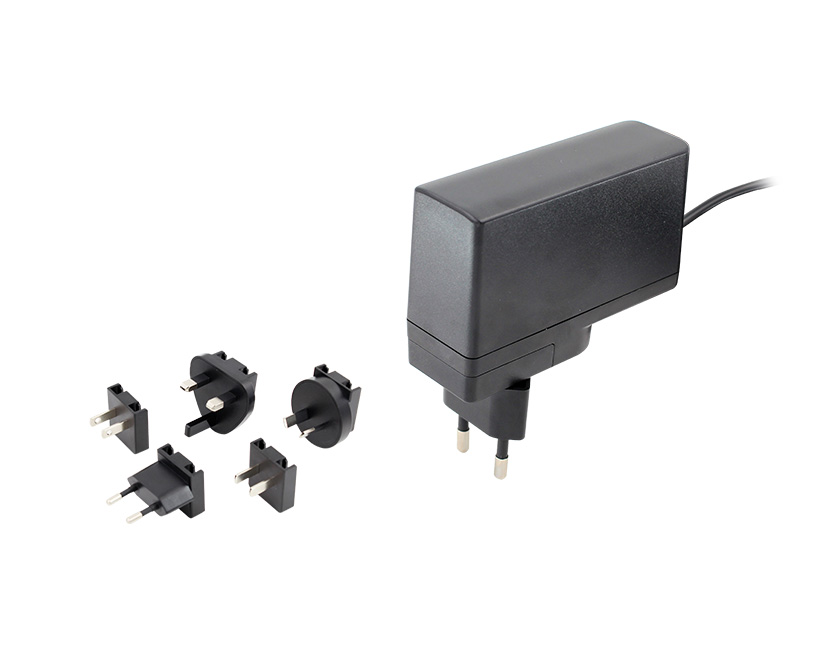
When discussing adapters, the universal AC plug adapter is a key example of interface adaptation. For businesses deploying equipment internationally, the challenge is often mechanical compatibility with local infrastructure. This type of adapter addresses the variation in plug pin shapes, sizes, and grounding configurations. It is a passive device, meaning it contains no active electronic circuitry to modify voltage or current. Its use is appropriate when the power supply unit itself, such as an integrated switching power adapter, is designed to accept the full range of global mains voltages (typically 100-240V AC). In this scenario, the universal AC plug adapter solves the physical connection problem only.
The Switching Power Adapter as a Voltage Conversion Solution
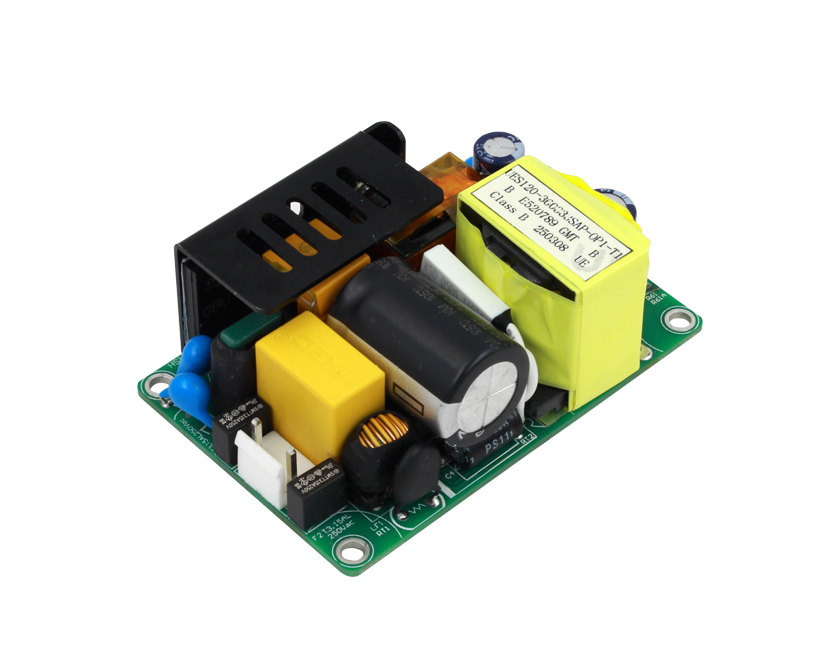
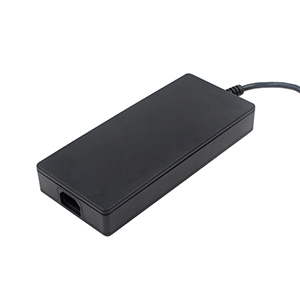
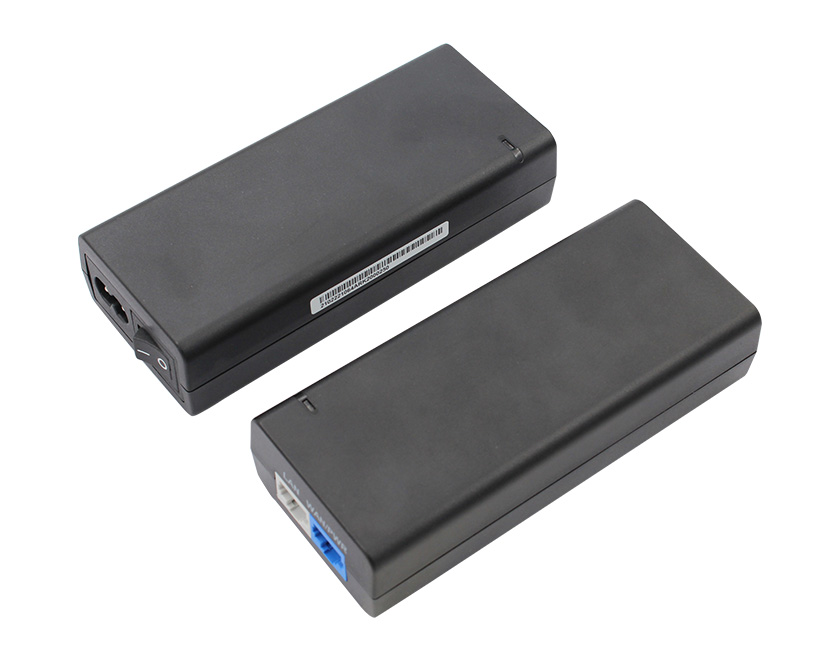
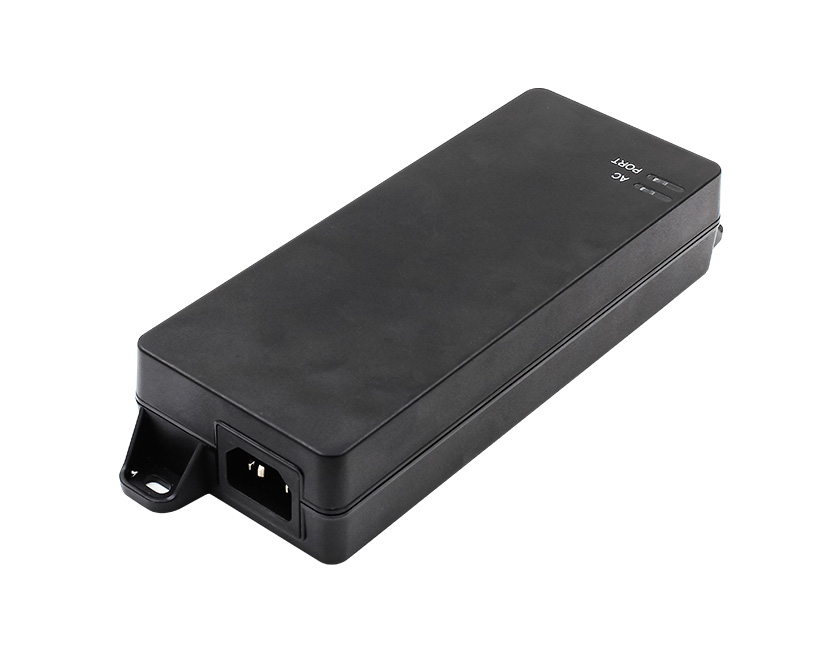
In contrast, the term switching power adapter commonly refers to an external power supply unit that performs active voltage conversion. It takes alternating current (AC) input from a wall outlet and converts it to a regulated, low-voltage direct current (DC) output suitable for powering electronic devices. While colloquially called an “adapter,” its core function is that of an AC-to-DC converter. This is where terminology overlaps. A switching power adapter is a specific type of converter that uses high-frequency switching regulation to efficiently transform power. For OEMs, specifying a reliable switching power adapter means selecting a component that handles both the acceptance of a wide input voltage range and the precise delivery of a stable DC output.
The difference between an adapter and a converter is defined by function: adaptation of form versus transformation of electrical power. A universal AC plug adapter changes a plug’s physical interface for international compatibility, while a device like a switching power adapter actively converts AC line voltage to a usable DC level. For product designers, understanding this distinction is important for correct component selection and ensuring global compliance and safety. At UE Electronic, our design philosophy for both adapter types centers on providing clear specifications and reliable performance for integrated power solutions.