

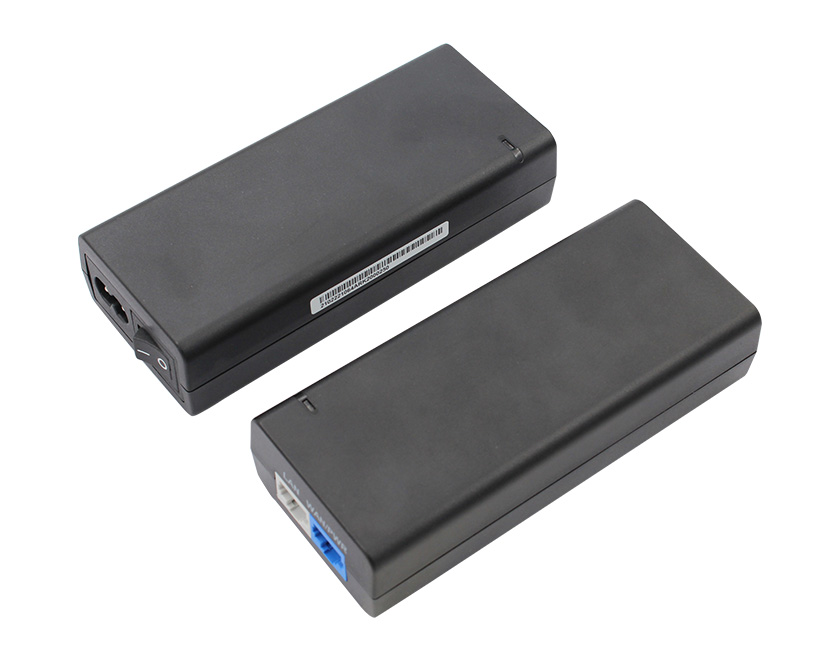
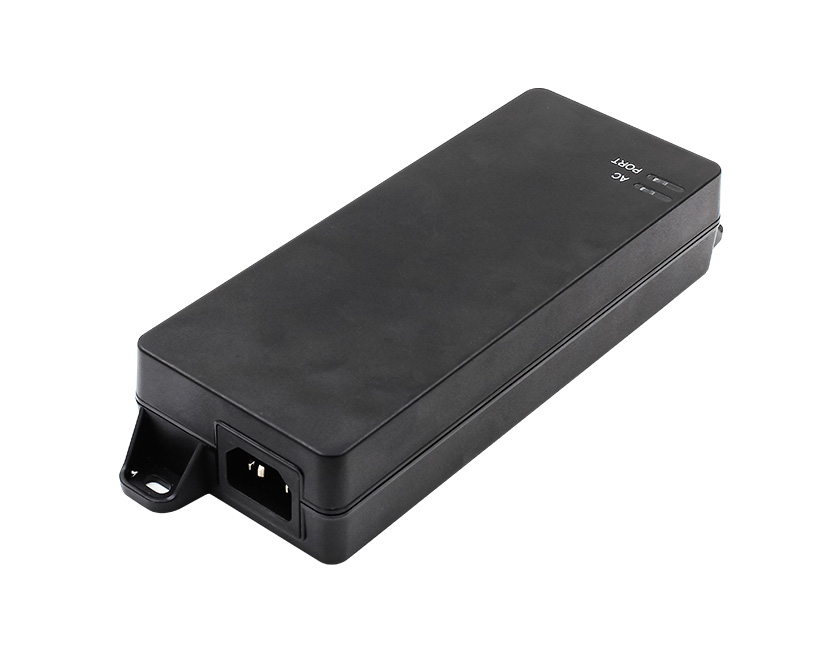






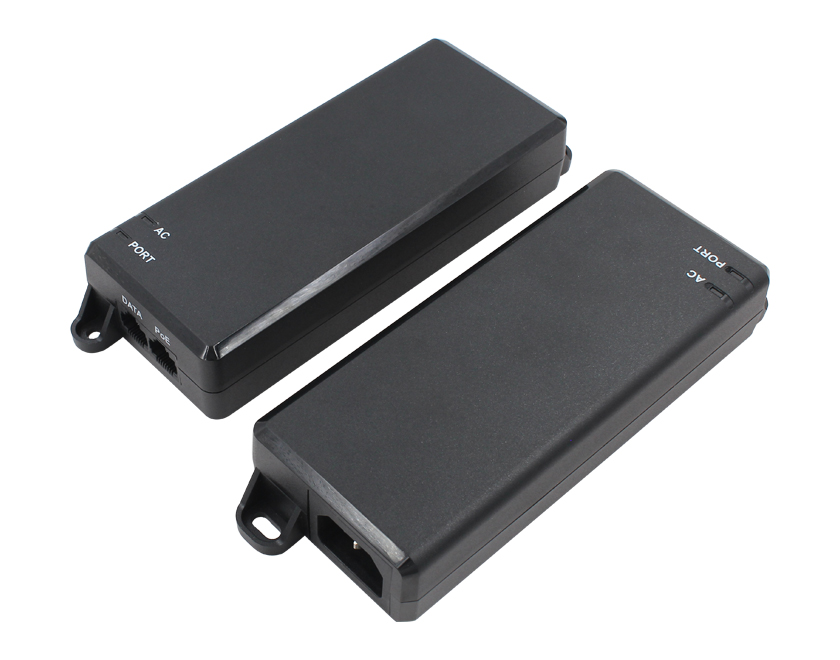
A common consideration when deploying networked devices is how Power over Ethernet functions in practice. At UE Electronic, we engage with questions regarding the operational intelligence of these systems. Specifically, many wonder if a PoE adapter actively manages its output. The short answer is yes, most modern PoE power adapter units are designed to adjust their power delivery. This capability is not a simple on/off switch but a negotiated process integral to the IEEE standards that define PoE technology. The mechanism ensures both efficiency and safety for connected devices.
The Handshake: Classification and Negotiation
Adjustment begins with a detection and classification phase. When a PoE adapter is connected to a device, it initiates a low-voltage probe to identify if the endpoint is a valid PoE-powered device (PD). Following this, a classification step occurs, where the PD indicates its approximate power draw. This process allows the PoE power adapter, acting as the power sourcing equipment (PSE), to allocate an appropriate power budget. This initial handshake prevents damage to non-compliant equipment and ensures the adapter does not waste energy on a port with nothing connected. It is the first, critical stage of power adjustment.
Dynamic Power Management During Operation
Power adjustment continues after the initial handshake. The IEEE 802.3at (PoE+) and 802.3bt (PoE++) standards introduce mechanisms for continuous power management. A sophisticated PoE adapter can monitor the real-time power consumption of the connected device. If a device, such as a wireless access point, enters a low-power state, the adapter can reduce its output accordingly. More importantly, the standard includes a feature called Dynamic Power Allocation, which allows the PoE power adapter to shift reserved power between ports based on instantaneous demand, optimizing the total power budget of the unit.
The Role of Safety Protocols in Power Delivery
The ability to adjust power is fundamentally tied to system protection. A primary safety feature is the PoE adapter’s capability to detect a disconnect or a fault condition and immediately cut power to the port. Furthermore, adapters are designed to provide short-circuit and overload protection. If a connected device attempts to draw more power than its classified maximum or the port can provide, the PoE power adapter will intervene. This intervention safeguards the network switch, the wiring infrastructure, and the powered device itself from potential damage due to electrical faults.
The operational intelligence of a PoE adapter hinges on its embedded ability to adjust power output. From the initial classification handshake to dynamic management and stringent safety protocols, this adjustment is a continuous, automated process. For us at UE Electronic, designing a reliable PoE power adapter means engineering these negotiation and protection circuits to perform consistently. This focus on compliant and intelligent power management provides the stability required for modern networked devices, from VoIP phones to security cameras, ensuring they receive precisely the power they need at any given moment.