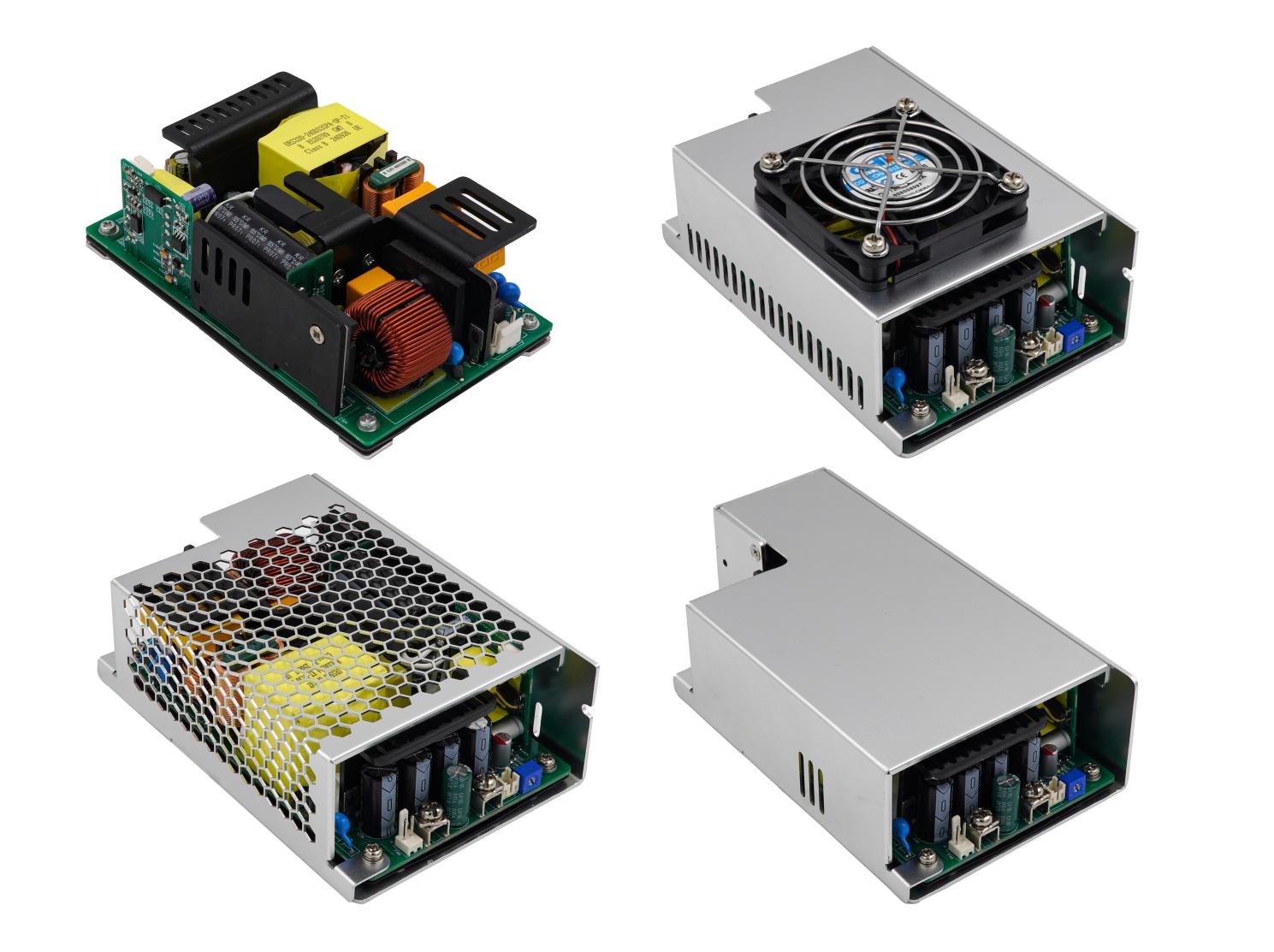








In the global electronics industry, power supply safety standards are not only regulatory requirements but also essential for products entering international markets.
These standards ensure the safe operation of electronic equipment by regulating key parameters such as insulation, fire protection, temperature rise, electrical spacing, and energy hazard classification, thereby safeguarding user safety and property.
Therefore, for products such as consumer electronics, medical devices, industrial control systems, and new energy equipment, power supply compliance with relevant safety standards is a basic requirement for entering the global market.
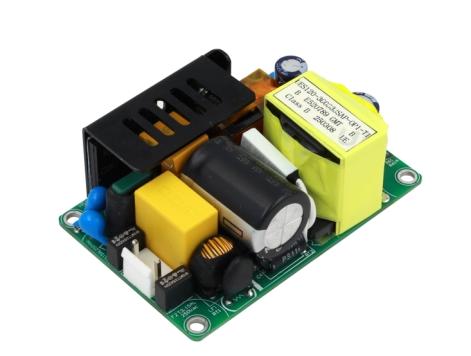
Types of Power Supply Safety Standards by Application
The landscape of power supply safety standards is vast, and the most practical way to understand them is to categorize standards based on the end product’s application. Different environments pose unique risks, which in turn dictate fundamentally different safety criteria.
1. ICT and Audio/Video (AV) Equipment
This category includes common consumer electronics and office devices, including computers, routers, monitors, and speakers.
- IEC 62368-1 (Current Standard): As the modern, globally harmonized benchmark, this standard adopts a Hazard-Based Safety Engineering (HBSE) approach[1]. Rather than relying on rigid design prescriptions, it identifies internal energy sources (categorized as ES1, ES2, and ES3) and mandates specific safeguards based on their potential to cause pain, injury, or fire[2].
- IEC 60950-1 & IEC 60065 (Legacy Standards):These were the long-standing prescriptive standards for Information Technology Equipment (ITE) and AV equipment, respectively. They have now been consolidated into the more holistic IEC 62368-1 framework. For manufacturers, transitioning from these legacy standards to full 62368-1 compliance remains a top priority for global market access.
2. Medical Electrical Equipment[3]
The standards governing medical devices are the most rigorous of all categories.
- IEC 60601-1 (General Standard):This serves as the foundation for medical electrical equipment safety. It introduces the critical concept of Means of Protection (MOP), which is further divided into Means of Operator Protection (MOOP) and Means of Patient Protection (MOPP).
For instance, parts that come into contact with the patient (applied parts) must satisfy the highest insulation requirements (2x MOPP). Furthermore, leakage current must be limited to microampere levels to ensure patient safety, even if a single fault condition occurs within the equipment. This is a core requirement of IEC 60601-1 medical design standards for power supplies.
- IEC 60601-1-11 (Particular Standard):This is a specific standard for medical electrical equipment used in home healthcare environments. It mandates the use of Class II (double-insulated, unearthed) power supplies, as a reliable protective earth connection cannot always be guaranteed in a residential setting.
3. Industrial, Measurement, and Laboratory Equipment[3]
This equipment is typically operated by professionals in a controlled environment, but it may present a more diverse range of hazards.
- IEC 61010-1 covers equipment intended for measurement, control, and laboratory use, such as oscilloscopes and analytical instruments. In addition to electric shock, it specifically addresses other hazards, including mechanical factors, liquids, laser radiation, ultraviolet radiation, and biological or chemical agents.
- IEC 61800-5-1specifies safety requirements for adjustable speed electrical power drive systems (motor drives).
- IEC 62109-1defines the safety requirements for power converters used in photovoltaic (solar energy) systems.
4. Household and Similar Electrical Appliances[3]
Products in this category are integral to daily consumer life, emphasizing safety during use in non-professional environments.
- IEC 60335-1: This standard sets forth the safety requirements applicable to household and similar electrical appliances, including kitchen appliances, cleaning robots, and similar items. It is frequently used in conjunction with “Part 2” standards (e.g., IEC 60335-2-XX), which cover over 100 specific types of appliances and address their unique risks.
- UL 1310:This is a North American standard specifically for Class 2 Power Units. These units have restricted output voltage and power (e.g., a maximum peak voltage of 42.4 Vac or 60 Vdc). Due to this limitation, they are considered to present a lower risk of fire or electric shock under normal or fault conditions and are commonly found in portable tools and low-voltage lighting systems.
From Standards to Practice: Your Reliable Partner
Confronted with the intricate and continually evolving framework of power supply safety standards, manufacturers must go beyond simply understanding regulatory texts. They require the engineering capability to translate these requirements into reliable, mass-producible products. At UE Electronic, this is exactly what we deliver.
1. Technical Scope and Manufacturing Scale
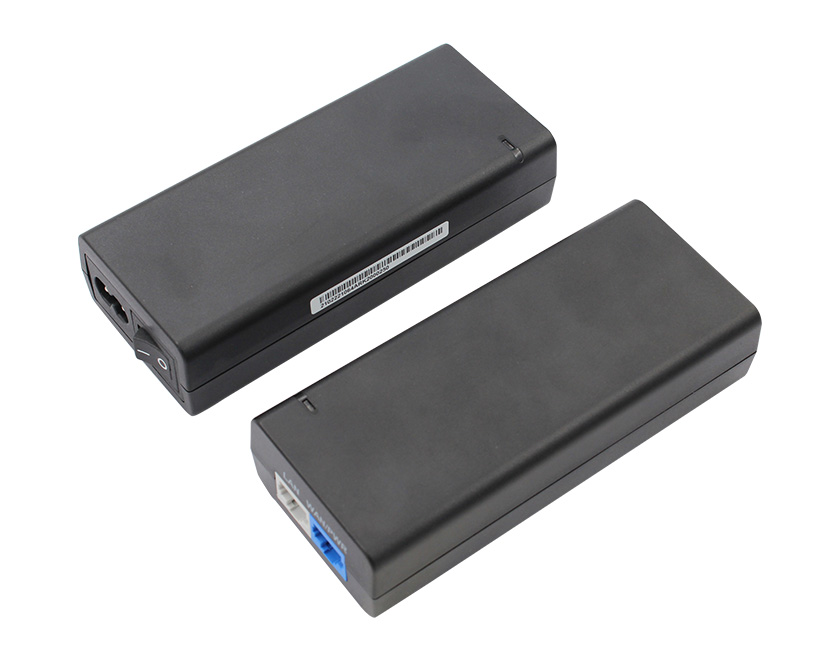
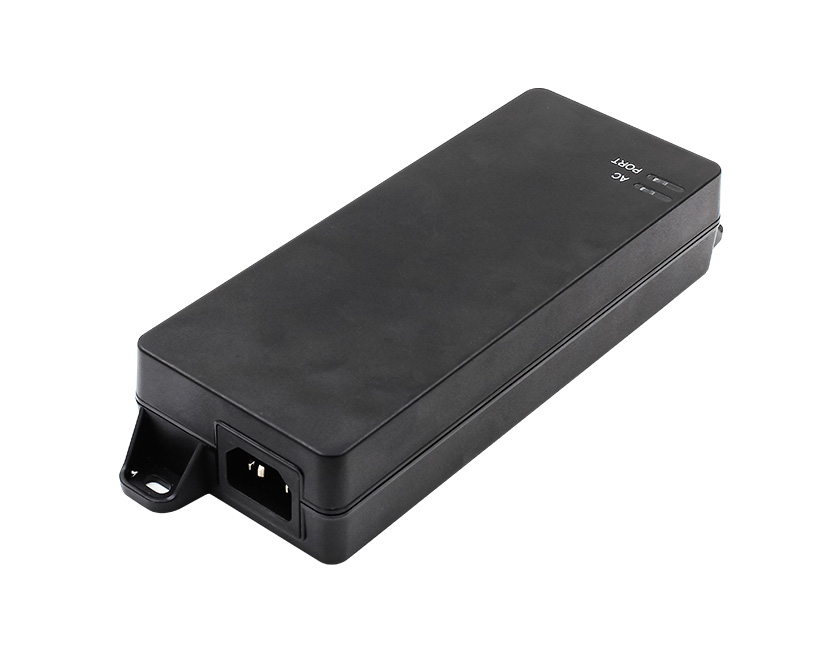
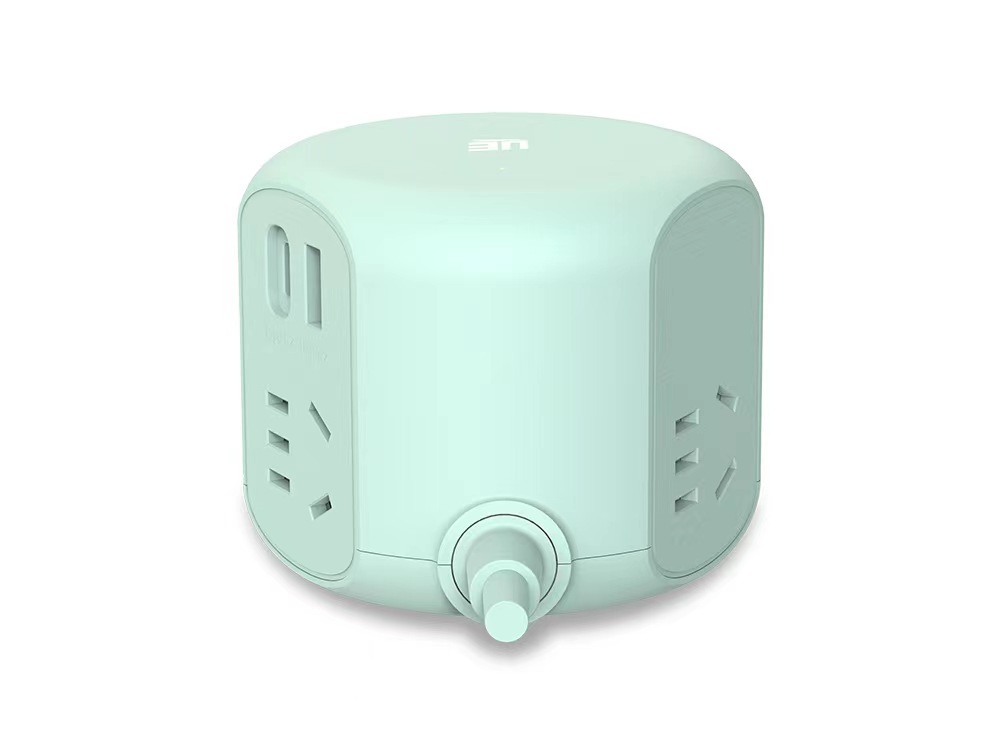
Established in 1989, UE Electronic specializes in the design, production, and supply of medical power supplies, network communication power supplies, and smart health sockets for global markets. Our product portfolio covers power outputs ranging from 5W to 1000W, with an annual manufacturing capacity exceeding 100 million units.
2. Verification and Compliance Infrastructure
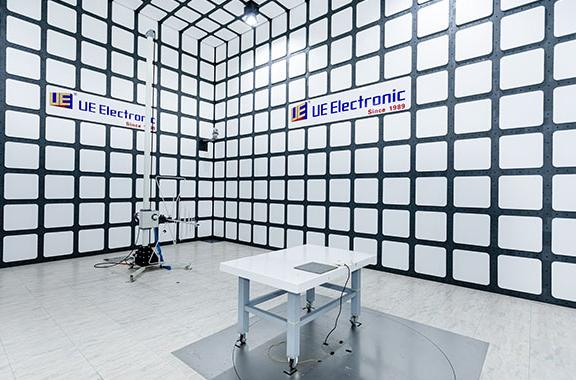
High-confidence validation is fundamental to our commitment to safety. We operate a comprehensive testing center featuring an industry-leading 966 semi-anechoic chamber. This facility enables rigorous in-house electromagnetic compatibility (EMC) and safety compliance testing that meets the stringent requirements of global certification bodies such as TÜV Rheinland, SGS, and CEPREI.
3. Quality Control and Traceability Systems
To ensure consistent quality across our massive output, we integrate a MES (Manufacturing Execution System) and SAP enterprise software into our automated production lines.
By utilizing Automated Optical Inspection (AOI) and In-Circuit Testing (ICT), the facility achieves granular, single-board traceability for every product. This ensures that products delivered at scale consistently meet the access requirements of global markets.
Conclusion
Navigating the complex landscape of power supply safety standards is essential for any product destined for global markets. From IEC 62368-1 for consumer electronics to IEC 60601-1 for medical devices, each standard reflects a specific set of risks and requirements that demand both deep understanding and precise engineering execution.
Whether your application is medical, industrial, or consumer-focused, we have the engineering capability and regulatory expertise to support your success.
Reference
[1]. Available at: https://www.csagroup.org/wp-content/uploads/CSA-IEC62368-1-Edition4Guide-EN_Accessible.pdf
[2]. Available at: https://my.avnet.com/wcm/connect/8830cc52-3d39-41ed-baab-585500adaa0b/CUI-Inc-IEC-62368-1-EN-Whitepaper.pdf?MOD=AJPERES&ContentCache=NONE&CACHE=NONE&CVID=oVwdMQg
[3]. Available at: https://www.belfuse.com/resource-library/tech-paper/power-supply-safety-standards-agencies-and-marks