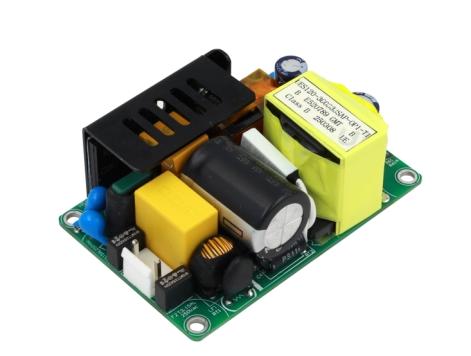


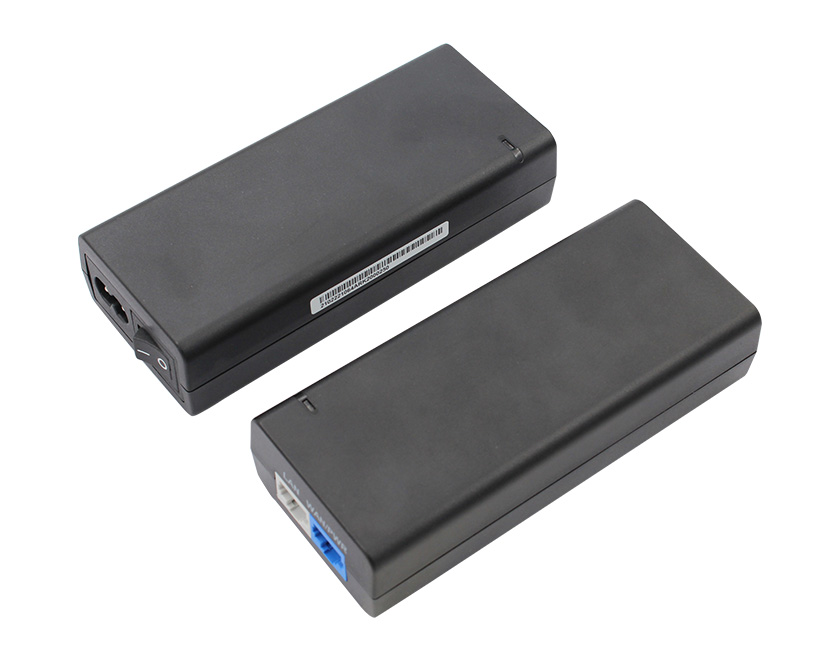
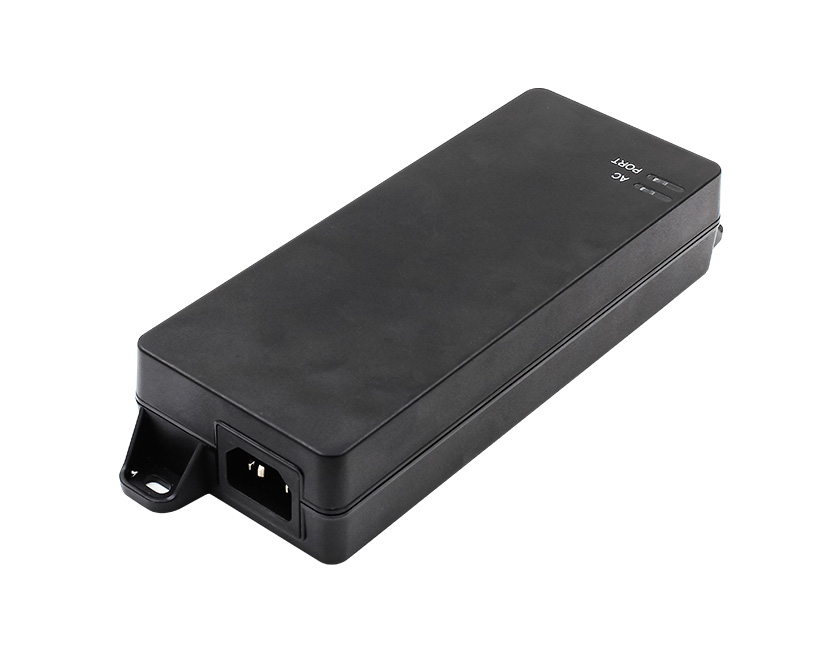






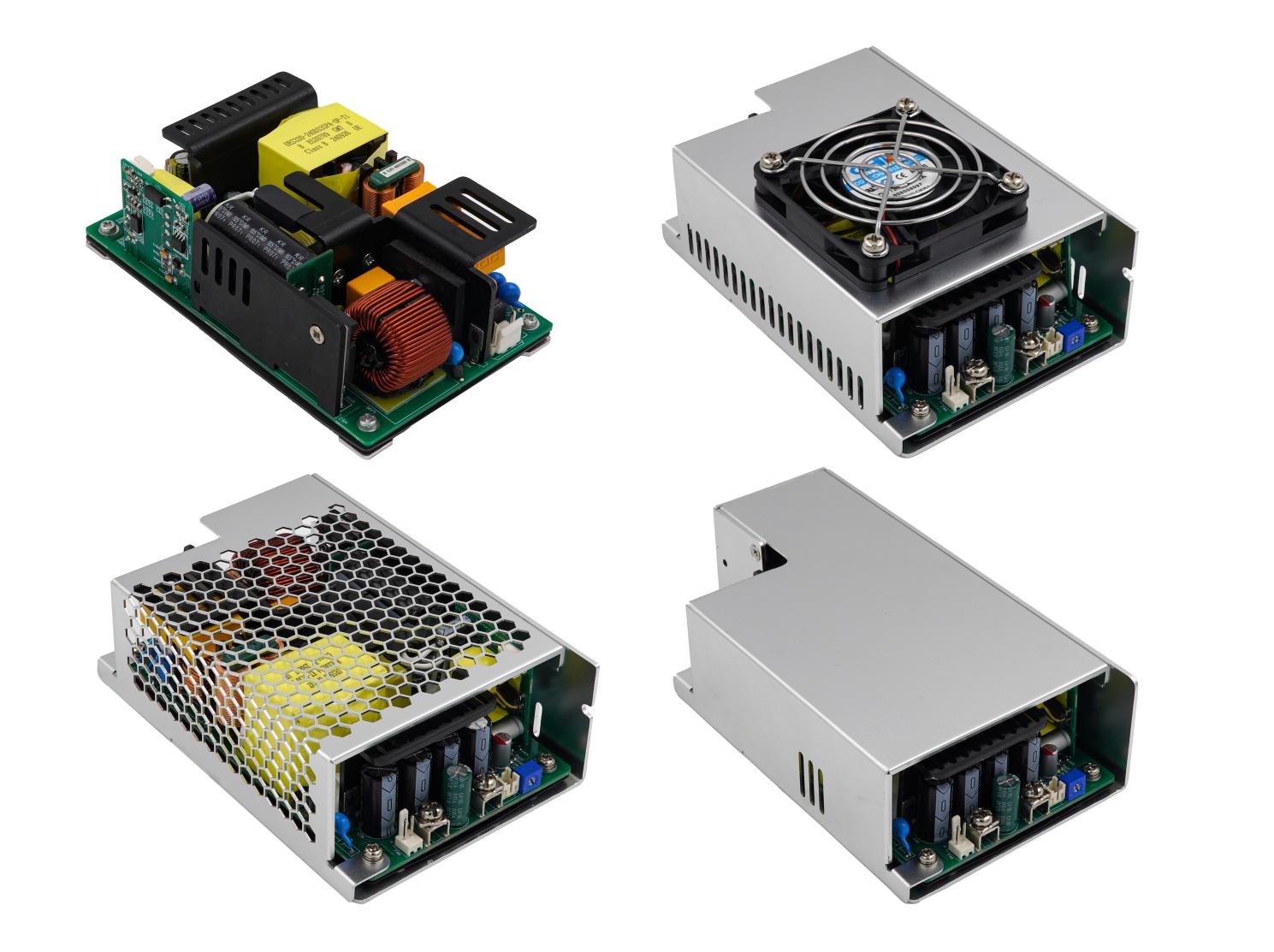
As critical components of medical devices, medical power supplies are responsible for delivering stable, safe, and low-noise electrical energy to everything from bedside monitors to complex MRI suites. With healthcare technology evolving rapidly, the global medical power supply market is experiencing a period of steady and sustained expansion.
This article reviews the latest market data, explores key growth drivers, and provides guidance on selecting the right partner in this rapidly expanding landscape.
Market Size & Growth Forecast
1. Market Size and Forecast Data
The global medical power supply market is on a strong growth trajectory:
- 2025 Market Size: Estimated at $1.7 billion[1]
- 2028Projected Size: Expected to grow to $ $2.86 billion[2]
- 2031 Forecast: Projected to reach $2.56 billion[3]
2. Regional Highlights[3]
- North America:Currently the largest regional market, expected to contribute 36.80% of global revenue by 2025. Growth is driven by a high installed base of advanced medical devices, rapid adoption of new technologies, and a stringent regulatory environment that mandates certified, high-efficiency power systems.
- Asia-Pacific:The region ranks as the fastest-growing market, boasting a projected CAGR of 9.45% through 2031. The expansion is fueled by increasing healthcare investments in China, India, and Southeast Asia, hospital infrastructure upgrades, and government incentives for domestic medical device manufacturing.
- Europe:Market expansion is driven by strict safety standards and sustainability initiatives (such as decarbonization directives), which require ultra-efficient power solutions.
3. Growth Drivers
The expansion of the medical power supply market is propelled by several structural trends:
- Technological Innovation (GaN & SiC):The demand for miniaturization and high power density is driving the adoption of wide-bandgap semiconductors like Gallium Nitride (GaN) and Silicon Carbide (SiC). These technologies enable smaller, more efficient power architectures for space-constrained medical devices.
- The Rise of Home Healthcare:Driven by an aging population and the need for chronic disease management, healthcare is shifting from hospitals to home environments. The proliferation of home medical devices—such as portable oxygen concentrators and wearable monitors—is fueling demand for compact, safe, and reliable external power supplies.
- Regulatory Upgrades Driving Replacement:Stricter international safety standards, such as IEC 60601-1 4th Edition, mandate higher levels of electromagnetic compatibility (EMC) and patient protection (2×MOPP). This forces healthcare providers and OEMs to phase out older equipment and upgrade to power systems that comply with the latest regulations, creating a steady stream of replacement demand.
- Demand for Diagnostic Imaging Equipment: High-power applications like CT, MRI, and X-ray systems maintain a steady share of approximately 30% of the market[3]. The need for high-reliability, low-ripple power supplies for these critical devices provides a stable foundation for the market.
Challenges and Opportunities
1. Safety Standards: Compliance Requirements
All medical power supplies must comply with international standards such as IEC 60601-1, which imposes strict requirements on:
- Leakage Current: Must be controlled to microamp (μA) levels, particularly for patient-connected (CF-type) devices.
- Insulation and Isolation:Must meet 1×MOPP or 2×MOPP isolation grades to ensure patient protection from mains electricity.
- Electromagnetic Compatibility (EMC):Must meet Class B EMI requirements to avoid interference with sensitive medical equipment.
These compliance requirements result in:
- Extended R&D Cycles:From design to final certification typically takes 6-12 months.
- Complex Validation Processes: Equipment manufacturers must allocate substantial resources to system-level testing.
For power supply manufacturers with established compliance expertise and systems, these requirements represent a distinct area of competency that supports long-term customer relationships.
2. Supply Chain Resilience: Ensuring Delivery Reliability
In recent years, global trade dynamics and tariff adjustments have affected the supply chain for core components such as semiconductors and magnetic elements. This has contributed to increased component costs and extended delivery lead times for many industry participants.
As a result, procurement managers are placing greater emphasis on supply chain stability and transparency, alongside cost considerations. This shift benefits manufacturers with:
- In-house production capabilities for critical components (such as transformers and magnetic elements).
- Established and stable supply chain systems.
These manufacturers are therefore better positioned to maintain stable delivery schedules required by the medical device industry.
How to Choose the Ideal Power Partner in Global Expansion?
Understanding the market’s rapid growth and the industry’s inherent challenges, selecting the right partner is more critical than ever.
1. Global Compliance: Essential Medical Certifications
The primary criterion for selecting a supplier is whether they possess a certification system that covers major global markets. It’s not just about whether the product is compliant, but whether the company has the systematic capability to sustainably maintain compliance.
UE Electronic products are widely certified to meet CE (EU), UL (US), TUV, PSE (Japan), KC (Korea), and RCM (Australia) global standards, and we have fully implemented the ISO 13485 Medical Device Quality Management System.
2. R&D Capability: From Standard Products to Mass Customization
As competition intensifies in the medical device sector, standard off-the-shelf power supplies often fail to meet specific requirements for spatial layout, thermal management, or electrical performance.
With over 35 years of experience, UE Electronic has built a team of 260+ R&D engineers, supported by a 120,000 m2 smart industrial park and 20+ automated production lines. We produce over 100 million units annually, covering power ranges from 5W to 1000W.
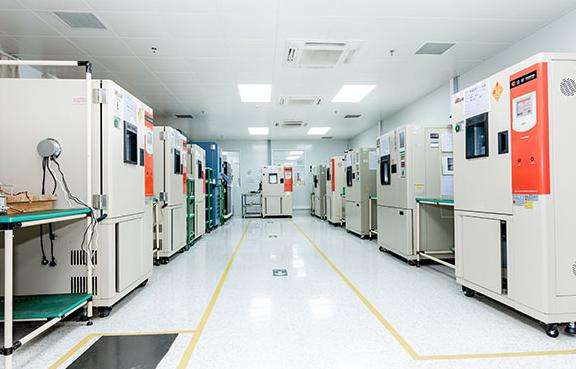
Our in-house 966 semi-anechoic chamber and safety testing labs enable EMC and safety pre-compliance testing during design—significantly accelerating global certifications such as UL, TUV, and CE.
Additionally, our SAP and MES systems ensure precise material management and board-level traceability, meeting the strict quality control requirements of leading international manufacturers.
3. Risk Mitigation: Supply Chain Flexibility and Resilience
In today’s complex trade environment, a supplier’s geographical location, control over raw materials, and capacity allocation strategy directly determine your production security.
Through in-house production of critical components (such as magnetic elements) and strategic partnerships with leading global semiconductor suppliers, we effectively hedge against supply disruption risks caused by international trade fluctuations, offering our customers a “high-certainty” delivery commitment.
Conclusion
The global medical power supply market is entering a phase of high-quality growth. In this environment, selecting a power supply partner transcends traditional procurement metrics. UE Electronic is ready to help you navigate this complex landscape with our integrated design, testing, and manufacturing capabilities.
Reference
[1]. Available at: https://www.giiresearch.com/report/moi1850096-medical-power-supply-market-share-analysis.html?
[2]. Available at: https://www.einpresswire.com/article/739930468/global-medical-power-supply-market-size-share-and-growth-analysis-for-2024-2033
[3]. Available at: https://www.mordorintelligence.com/industry-reports/medical-power-supply-market