



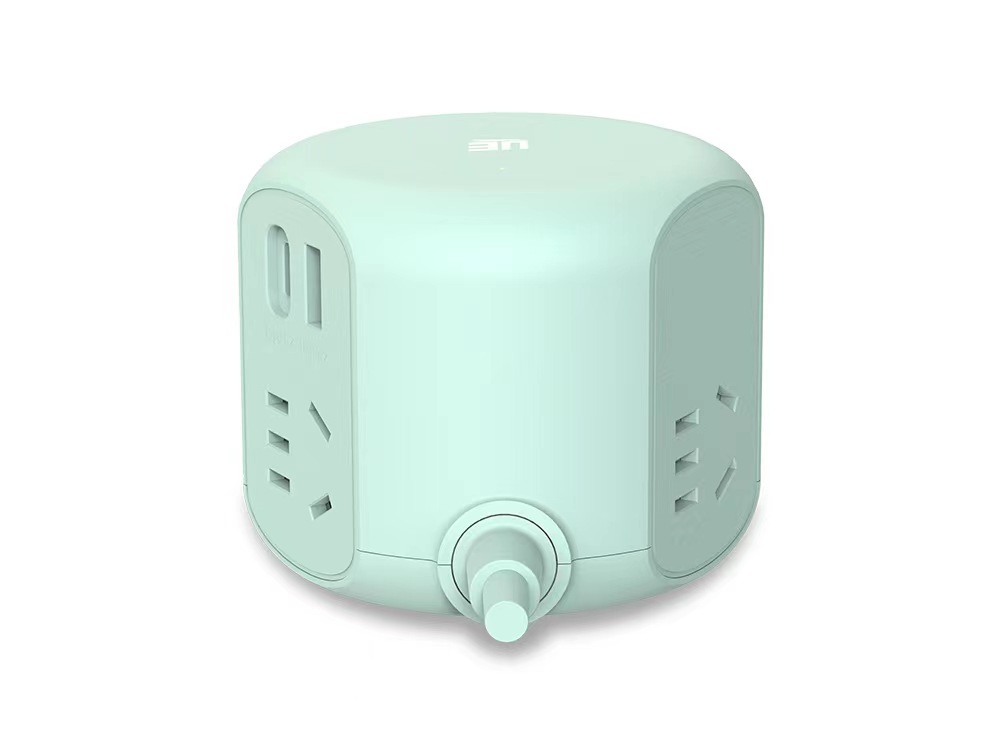



Evaluating the safety of a multi-plug socket requires more than a visual inspection of its housing. For business and facility operations, the secure function of a multiple power socket stems from internal design decisions, quality of materials, and application awareness. We design our solutions at UE Electronic with the principle that a centralized ac power socket point must manage increased demand without introducing risk. The safety answer depends significantly on how the product is engineered and deployed.
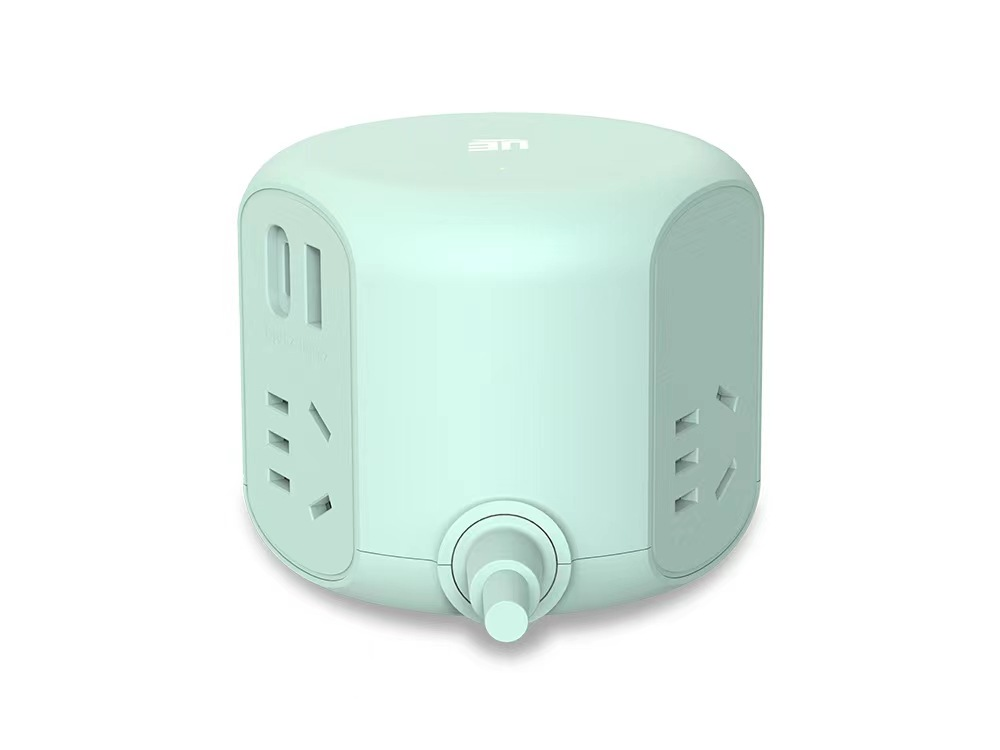
Assessing Load Capacity and Circuit Design
A primary consideration is the total electrical load. Every multiple power socket has a maximum current rating, which is a ceiling not a target. The combined draw of all plugged-in devices must remain below this limit. Internally, our approach involves using robust busbar connections and thick, high-purity conductors to minimize resistance and heat buildup across all outlets. This design philosophy for an ac power socket cluster aims to ensure that the unit can handle its rated capacity consistently, preventing overheating from internal impedance even when several devices are powered simultaneously.
Prioritizing Physical Build and Component Integrity
Safety is directly linked to mechanical and material quality. The housing of a multiple power socket should be constructed from flame-retardant materials that can contain an internal electrical fault. We focus on the integrity of the socket contacts themselves—the points where device plugs make connection. These contacts are designed to maintain a firm grip on plug pins, reducing the risk of arcing, which generates intense heat. A well-built ac power socket provides secure physical connections that remain stable over many insertion cycles, avoiding loose plugs that can become safety hazards.
Emphasizing Standards Compliance and Correct Application
Adherence to recognized safety standards is a baseline for any professional multiple power socket product. These standards govern aspects from insulation and spacing to construction and testing. Furthermore, correct application is necessary. This includes ensuring the multiple power socket is used in an environment suitable for its design, such as avoiding outdoor use for an indoor-rated unit or overloading it with high-demand equipment. We view our role as providing products that meet strict compliance benchmarks, while user education on appropriate installation and load management completes the safety circuit.
The secure use of a multi-plug socket is a shared responsibility between manufacturer design and informed user practice. It relies on internal architecture built for collective load, durable materials that contain electrical energy, and a commitment to standardized manufacturing tests. Our development process for a multiple power socket centers on these technical pillars, providing a reliable ac power socket solution intended for systematic use in professional settings. This integrated focus supports safer power distribution in environments where equipment density is a practical reality.