






Emergency medical devices often require stable power support in clinics, mobile care environments, and professional healthcare applications. When battery-powered equipment needs fast recovery, charging efficiency becomes an important consideration. However, charging speed is only one part of the evaluation process. Safety, compatibility, and product stability also influence the selection of a suitable power solution.
When we develop power products for professional equipment, we focus on balancing charging performance and safety requirements. Different devices have different operating conditions, so understanding the differences between fast and slow charging methods helps equipment manufacturers make practical decisions.
Understanding the Difference Between Fast and Slow Charging Methods
A slow charger usually works with a lower charging current, which means the battery requires more time to reach full capacity. This charging method can be suitable for devices that have long preparation periods and do not require frequent battery replacement or quick recovery.
An instant power battery charger uses a design approach that focuses on improving charging efficiency while maintaining electrical protection. For emergency medical devices, shorter charging time can help reduce equipment waiting periods when battery availability is important.
However, charging speed should match the device design. A higher charging speed requires proper control of current, voltage, and temperature. Without suitable protection design, charging performance may affect product reliability and user safety.
Why instant power battery charger Solutions Need Safety Considerations
In medical applications, charging solutions need to support stable operation under different working conditions. A charger is not only responsible for transferring power but also needs to provide protection during daily equipment use.
We consider protection functions as an important part of power design. Features such as short circuit protection, overvoltage protection, and overload protection help reduce risks caused by abnormal electrical conditions.
For emergency medical equipment manufacturers, a reliable charging solution should combine charging efficiency with safety verification. This approach helps create products that can meet professional application requirements.
How universal ac charger adapter Design Supports Medical Equipment
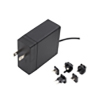
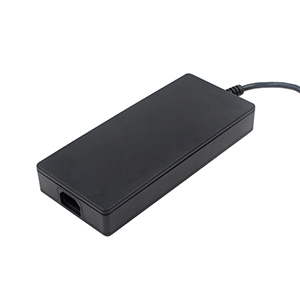
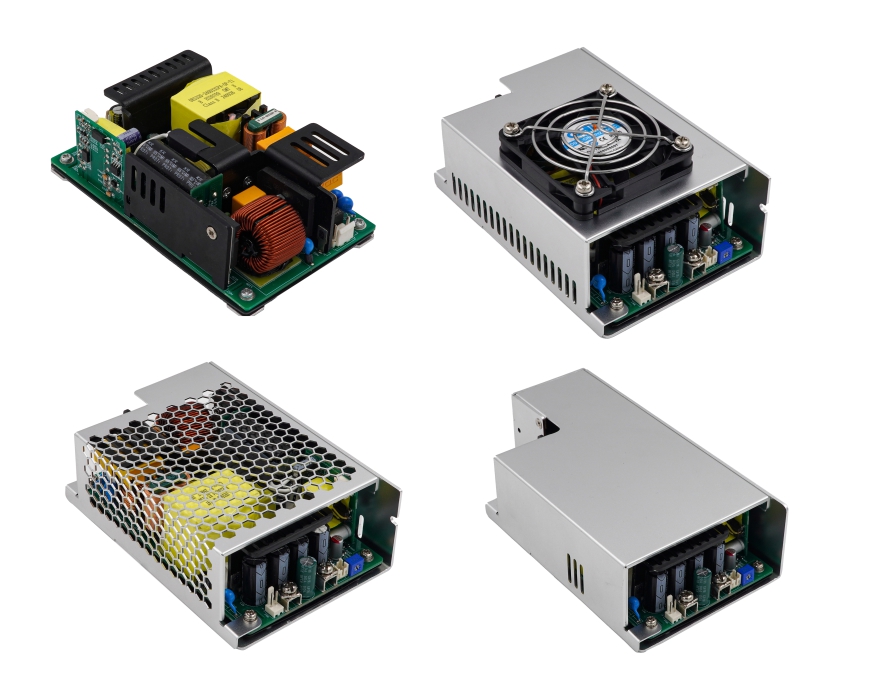
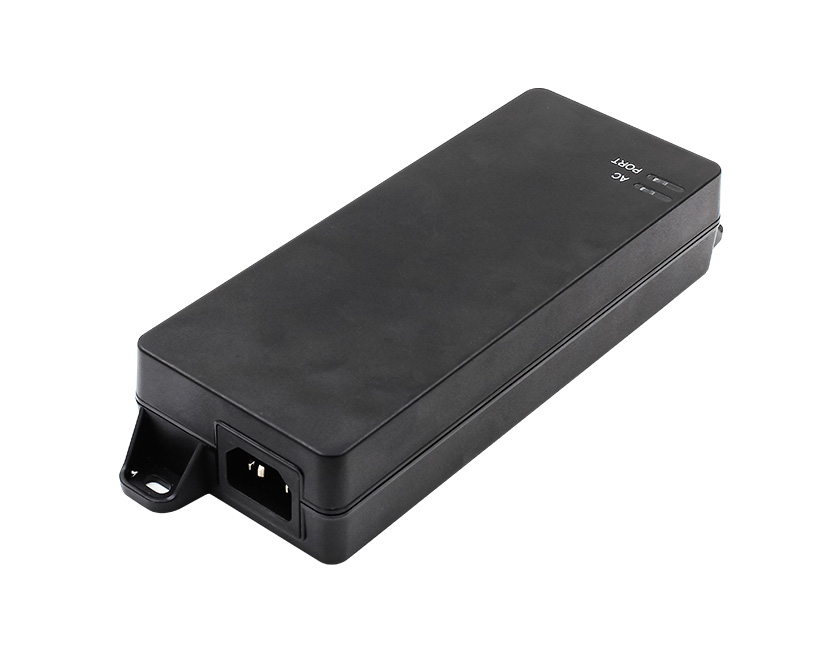
A universal ac charger adapter structure provides flexibility for equipment manufacturers that need external power solutions. It allows AC input to be converted into stable DC output for different professional devices.
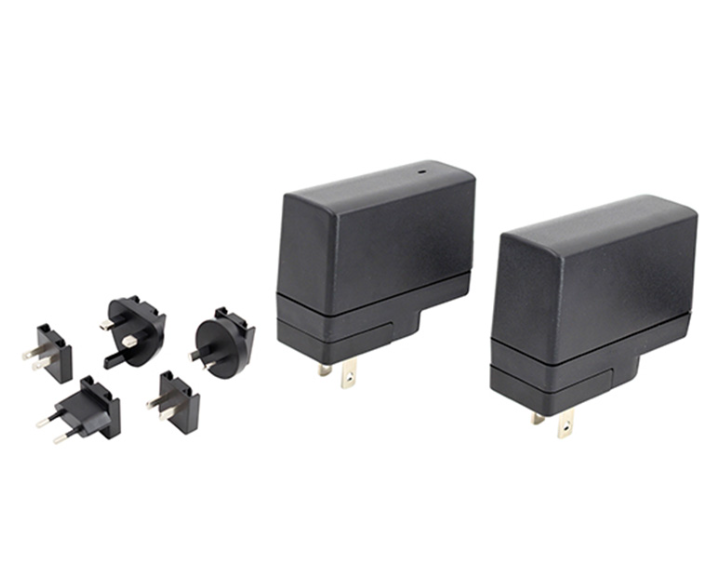
Our UES12LCP-SPA/UES12LCP-SPC series is designed as a compact external power solution with AC-DC conversion capability. It supports applications requiring medical power supply and systems integrating battery charging modules.
The series supports 4V to 24V output with power up to 12W. It is equipped with interchangeable AC pin styles and supports constant current and conversion functions, allowing it to work as a battery charger for suitable applications.
Medical Power Supply Design Requires Professional Verification
Medical equipment usually has strict requirements for electrical safety and electromagnetic compatibility. Before a power product is used in professional devices, manufacturers need to evaluate safety standards and testing results.
We have a standard EMC laboratory that supports product verification and helps customers address EMC-related requirements during certification processes. Our independent DQA laboratory also performs additional verification separate from research and development testing.
The UES12LCP-SPA/UES12LCP-SPC series complies with communications and medical safety certifications. It provides 2 MOPP isolation protection and meets medical device BF level requirements for suitable applications.
Product Features That Support Stable Equipment Operation
Besides safety protection, energy efficiency and environmental adaptability are also important factors for medical power products. Equipment manufacturers often need solutions that can maintain stable performance in different installation environments.
Our medical power series supports DOE efficiency level six and CoC V5 Tier 2 requirements. The standby power consumption is ≤0.075W, and the working altitude can reach 5000 meters according to product specifications.
These features allow the power solution to support various professional environments. By combining electrical protection and design verification, we help customers reduce additional evaluation work during product development.
Custom Power Development for Different Applications
Different medical and communication equipment may have different voltage, current, and structural requirements. Standard power products can support common applications, while customized development helps meet specific equipment needs.
We provide customized power development services based on customer requirements. Our engineering team can support adjustments related to output specifications, product structure, and application conditions.
As an experienced power supply manufacturer, UE Electronic provides solutions supported by testing facilities and production management systems. Our MES system can trace products to the smallest package according to customer requirements, supporting quality management and supply tracking.
Choosing the Suitable Charging Solution for Emergency Devices
When comparing fast charging and slow charging methods, equipment manufacturers need to consider more than charging time. Battery requirements, safety standards, and product application conditions all affect the final selection.
A universal ac charger adapter solution with proper protection functions can provide flexible power support for professional equipment. Meanwhile, a suitable charging design should match the actual needs of the device instead of focusing only on charging speed.
The UES12LCP-SPA/UES12LCP-SPC series reflects our focus on reliable power design and practical application support. With stable operation experience, UE Electronic continues to provide power solutions for customers requiring medical and communication equipment support.
Supporting Long-Term Power Requirements Through Professional Solutions
Emergency medical devices need power solutions that combine efficiency, safety, and stable supply capability. A suitable charger design can help manufacturers improve equipment performance while meeting application requirements.
We focus on providing added value services through quality control, customization support, and technical verification. Our experience in power supply development helps customers select solutions that fit their product design and market needs.
For professional equipment applications, charging speed is an important factor, but it should work together with safety and reliability. By considering these elements together, manufacturers can develop more suitable medical equipment power systems.